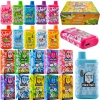
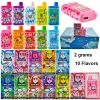
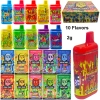
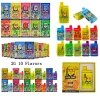
 Favorites 3G Disposable Wholesale: How to Choose the Right Supplier for Bulk Orders
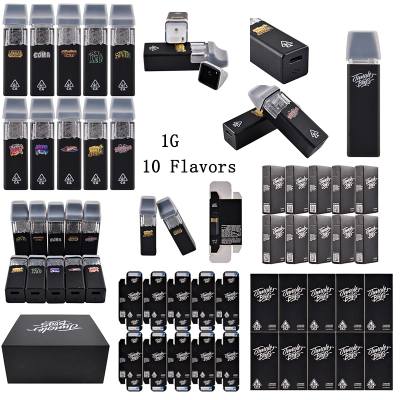
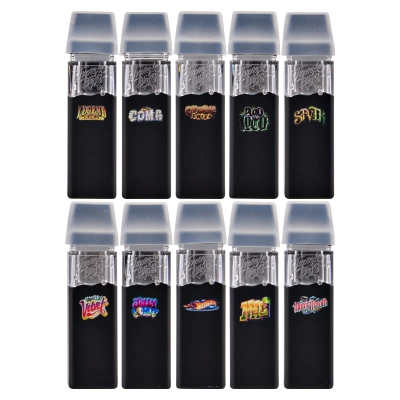
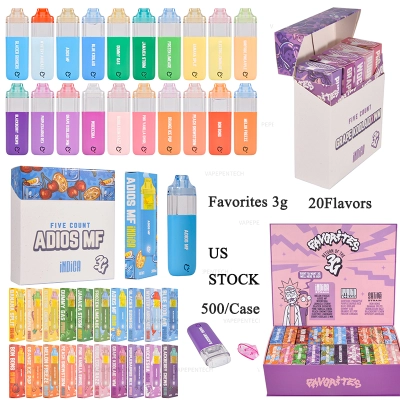
 Introduction The disposable vape industry continues to expand globally, creating significant opportunities for distributors, wholesalers, and retailers. As consumer demand for high-capacity and flavor-rich products grows, many businesses are turning to Favorites 3G Disposable as a reliable addition to their product portfolios. However, selecting the right wholesale supplier is just as important as choosing the right product. Reliable sourcing can impact product quality, customer satisfaction, inventory management, and long-term business growth. This guide explains how to evaluate suppliers and successfully purchase Favorites 3G Disposable in bulk. Why Wholesale Buyers Are Interested in Favorites 3G Disposable Several market trends are driving demand for this product. Growing Consumer Demand Consumers increasingly seek: Larger-capacity devices Diverse flavor selections Convenient disposable formats Reliable vaping experiences Favorites 3G Disposable aligns with these purchasing trends. Strong Retail Potential The combination of capacity and flavor variety helps retailers attract repeat customers while maintaining a competitive product offering. Benefits of Buying Favorites 3G Disposable in Bulk Lower Cost Per Unit Bulk purchasing generally helps reduce overall acquisition costs. Advantages include: Better margins Improved pricing flexibility Increased profitability Inventory Stability Maintaining adequate inventory helps businesses avoid stock shortages and lost sales opportunities. Simplified Supply Chain Working with a dependable supplier can improve planning and operational efficiency. What to Look for in a Wholesale Supplier Not all suppliers offer the same level of quality and service. Product Authenticity Ensure products are sourced from legitimate channels and meet applicable quality standards. Consistent Quality Control Reliable suppliers implement strict manufacturing and inspection procedures. Important factors include: Leak prevention Flavor consistency Battery reliability Packaging quality Production Capacity The supplier should be capable of fulfilling large orders while maintaining consistent quality. MOQ Considerations Most wholesale suppliers establish minimum order quantities (MOQs). When evaluating MOQ requirements, consider: Current sales volume Storage capacity Market demand Budget availability Choosing a supplier with flexible MOQ options can help businesses scale more effectively. Packaging and Branding Opportunities Wholesale buyers increasingly seek customized packaging solutions. Potential options include: Custom Packaging Retail boxes Brand graphics Product inserts Private Label Opportunities Businesses seeking to build their own market identity often prioritize suppliers capable of supporting branding initiatives. Logistics and Shipping Efficient logistics can significantly impact business operations. Important considerations include: Delivery Reliability Timely deliveries help maintain inventory availability. International Shipping Experience Suppliers familiar with global logistics processes can reduce potential delays and complications. Inventory Planning Support Strong suppliers often assist customers with forecasting and reorder scheduling. Why Favorites 3G Disposable Fits Current Market Trends The product aligns with several important industry developments. Larger Capacity Devices Consumers increasingly prefer products that last longer between replacements. Flavor Diversity Offering multiple flavor options helps satisfy a wider range of consumer preferences. Convenience-Focused Design Simple operation remains a key purchasing factor across many markets. These trends continue to support demand for products like Favorites 3G Disposable. Questions to Ask Before Placing a Bulk Order Before committing to a supplier, consider asking: What are the available flavor options? What are the MOQ requirements? How long are production lead times? What quality control procedures are used? What shipping methods are available? Can packaging be customized? These questions help reduce risk and improve purchasing confidence. Conclusion As demand for premium disposable vape products continues to grow, Favorites 3G Disposable offers wholesalers and retailers an attractive opportunity to expand their product offerings. Its large capacity, flavor variety, and consumer appeal make it a competitive option in today's market. By carefully evaluating suppliers, quality standards, logistics capabilities, and ordering requirements, businesses can establish a reliable supply chain and position themselves for long-term success in the evolving vape industry. Call to Action Interested in sourcing Favorites 3G Disposable wholesale? Contact our team today to learn more about bulk pricing, available flavors, and international shipping solutions for your business. If you want more thc vape for sale, Please go through the following pages: 2g disposable vape , favorite vape pen in bulk
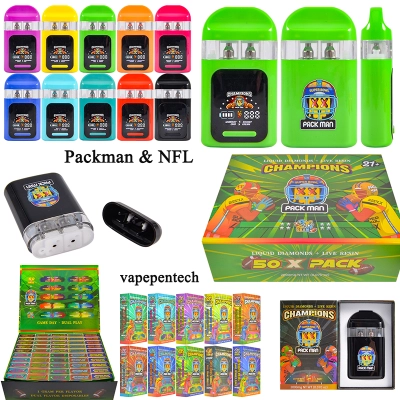
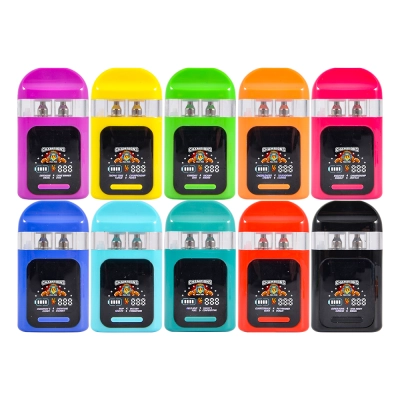
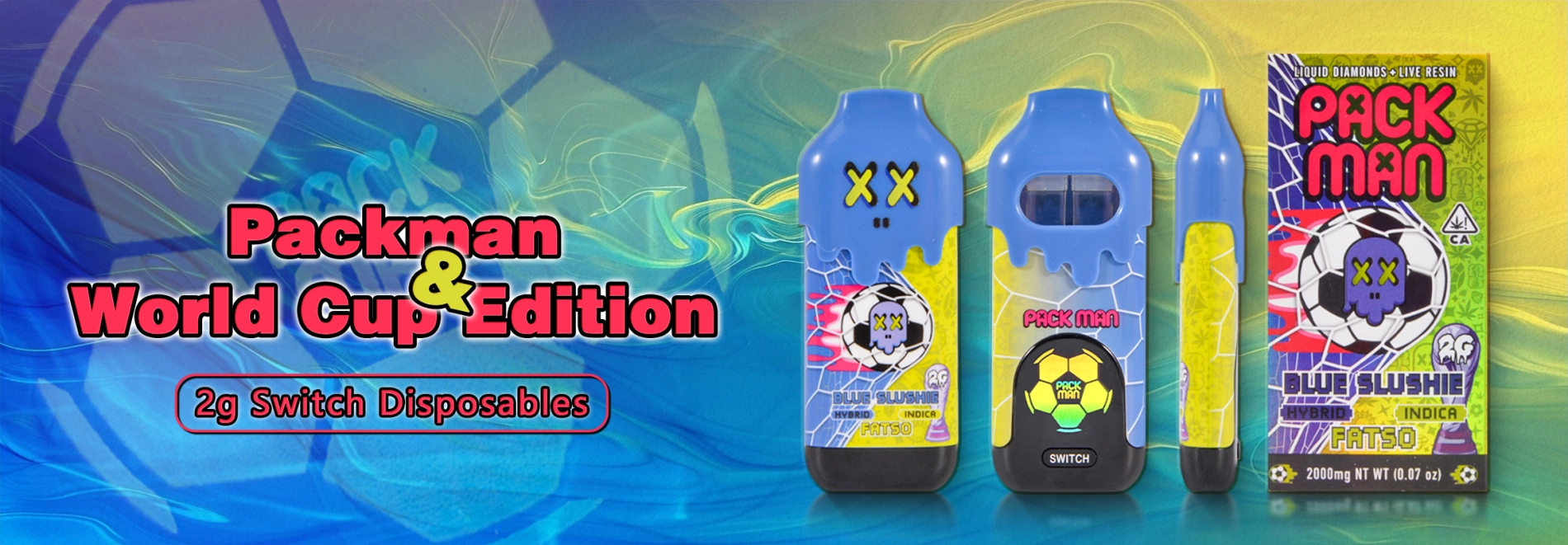
- Why Distributors Are Choosing Packman & football 2g Disposables for the Next Generation of Vape Products
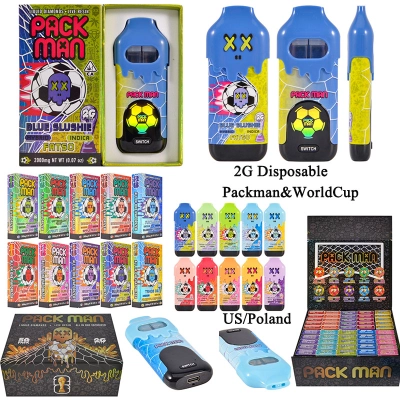
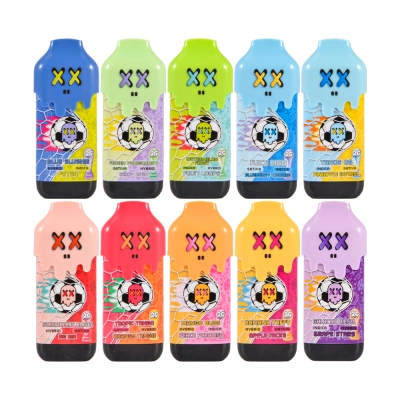
Introduction For vape distributors, wholesalers, and private label brands, selecting the right hardware platform is one of the most important business decisions. With hundreds of disposable vape models on the market, successful buyers focus on devices that offer: • product differentiation• reliable hardware quality• strong branding potential• scalable wholesale supply One device that has recently attracted increasing attention from B2B buyers is Packman & football 2g Disposables vape pen 联名款双仓 switch 2ml empty vapes. This device combines football-inspired design with dual-flavor switching technology, creating a product that is both visually appealing and technically advanced. In this article, we examine why distributors are increasingly considering Packman & football 2g Disposables as a next-generation disposable vape hardware solution. Competitive Advantages of Packman & football 2g Disposables Dual-Chamber Switch Innovation The most distinctive feature of Packman & football 2g Disposables vape pen 联名款双仓 switch 2ml empty vapes is its dual-chamber switch system. This design allows users to alternate between two flavors within a single device. Compared to traditional disposable vapes, this offers several benefits: • more flavor variety• longer product usage time• stronger user engagement Consumers increasingly look for interactive and customizable experiences, making switch technology particularly appealing. Football-Themed Branding Football remains the most popular sport globally, and its cultural influence extends far beyond the stadium. Football-inspired product design can significantly improve shelf visibility and brand recognition. For distributors, football-themed devices like Packman & football 2g Disposables can help attract customers who are interested in sports culture and lifestyle products. The visual identity of the device creates a unique position in a crowded disposable vape market. Ideal for Private Label Vape Brands Another reason wholesalers are choosing Packman & football 2g Disposables vape pen 联名款双仓 switch 2ml empty vapes is the flexibility offered by empty vape hardware platforms. Distributors can develop customized vape products based on this device. Possible customization options include: • unique flavor combinations• brand-specific packaging• market-specific branding• exclusive product editions This flexibility allows vape brands to build a distinctive product identity while using a reliable hardware platform. Growing Demand for Innovative Disposable Devices Consumer demand for disposable vapes continues to rise worldwide. Several global trends support the growth of advanced disposable devices: • preference for convenient vaping products• increased demand for flavor variety• growing interest in stylish vape devices• expansion of vape retail networks Because of these trends, products that combine innovation and design—such as Packman & football 2g Disposables—have strong market potential. Why Early Adoption Matters for Distributors In fast-growing industries like vaping, distributors who adopt innovative products early often gain significant advantages. Early adoption allows wholesalers to: • introduce unique products before competitors• establish strong retail partnerships• build exclusive product portfolios Devices like Packman & football 2g Disposables vape pen 联名款双仓 switch 2ml empty vapes provide the kind of differentiation that helps distributors achieve these goals. Retailers are always searching for products that stand out and offer customers something new. What Distributors Should Consider When Choosing Vape Hardware Before selecting a disposable vape platform, distributors should evaluate several key factors: Hardware Reliability Consistent manufacturing quality is essential for reducing product defects and maintaining customer trust. Product Differentiation Devices with unique features—such as dual-chamber switching—are easier to market and promote. Branding Opportunities Products with strong visual identity can significantly improve retail performance. Scalability Wholesale buyers should ensure the device can support large-scale production and distribution. The Packman & football 2g Disposables vape pen 联名款双仓 switch 2ml empty vapes address each of these considerations. Conclusion As the global vape market continues to expand, distributors must focus on products that offer both innovation and market appeal. The combination of dual-flavor switch technology, football-inspired design, and empty vape hardware flexibility makes Packman & football 2g Disposables vape pen 联名款双仓 switch 2ml empty vapes a compelling option for wholesalers and private label brands. For B2B buyers seeking to introduce differentiated products into competitive vape markets, Packman & football 2g Disposables represent a strategic opportunity. By adopting innovative disposable devices today, distributors can position themselves at the forefront of the next wave of vape hardware evolution.
 Your Wholesale Empty Pod Order Checklist: What to Confirm Before You Place the PO
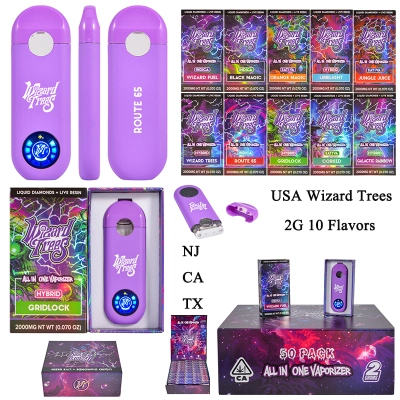
 At the bottom of the funnel, buyers are no longer asking whether empty pods are strategically interesting. They already know that. They are no longer comparing the broad idea of reusable versus disposable. They are now deciding whether to place an order, request final samples, or move to contract terms. This is where the buying decision becomes operational. In 2026, a B2B purchase decision in this category should be based on one simple principle: buy the platform you can continue to sell, not just the one you can buy today. That sounds obvious, but it has become more important as regulation has tightened. The UK has already banned single-use vapes from 1 June 2025 while allowing reusable products, the EU continues to anchor key consumer e-cigarette rules around 2ml format limits, and FDA says only 41 e-cigarettes are currently authorized for lawful sale in the U.S. In other words, the commercial cost of choosing the wrong format is higher than it used to be. So before you place a purchase order for an empty pod platform, confirm these seven points. First, confirm the exact business model. Are you buying for distribution, private label, contract filling, or multi-country resale? This matters because the same pod may be technically acceptable for all four, but commercially optimal for only one of them. A distributor may prioritize stable repeat performance. A private-label brand may need packaging flexibility. A contract filler may care most about line compatibility and fill speed. A cross-border reseller may prioritize documentation and format standardization. Second, confirm the destination markets before finalizing hardware. Do not buy first and ask compliance questions later. If your roadmap includes Europe, a 2ml empty pod can reduce friction because it aligns with a major existing market norm. If your roadmap includes the UK, reusable logic matters even more after the disposable ban. If your roadmap includes the U.S., you need a more conservative risk review because lawful marketability is heavily constrained and enforcement against unauthorized products is real. Your PO should reflect where you plan to sell, not where the factory is located. Third, confirm sample approval standards in writing. Too many wholesale purchases fail because the buyer and supplier both say “approved,” but they mean different things. Before you place the PO, define what counts as an acceptable leakage rate, fit tolerance, cosmetic defect threshold, and packaging variance. Define whether approval is based on one pilot sample or a repeatable batch standard. If you do not write that down, you are not managing quality. You are borrowing trouble. Fourth, confirm how your 10-SKU flavor plan will actually operate. An empty pod is empty. That sounds obvious, but buyers still make the mistake of thinking in finished-product language. The better approach is to define one hardware platform, then validate whether it supports the full liquid program you intend to run. Ask yourself: can this pod manage the viscosity range across my flavor line? Can it support the same filling process across ten SKUs? Can I keep the same outer carton architecture while localizing warnings and labels? A good BOFU decision is not “Can this hold 10 flavors?” It is “Can this hardware support my 10-SKU launch without creating extra supply-chain complexity?” Fifth, confirm documentation and after-sales support. WHO has warned that regulatory approaches vary widely across countries, and that many markets still have weak or fragmented controls. That means importers and wholesalers often carry more practical compliance burden than they expected. Before you place the order, confirm exactly what specifications, declarations, packaging files, and technical support materials the supplier will provide after shipment, not just before payment. Sixth, confirm lead time, replenishment logic, and change-control procedures. Ask what happens if a material changes. Ask whether the mouthpiece, seal, or internal structure can be altered without prior notice. Ask how repeat orders are matched to first-order specs. Your first order is rarely where profit is won or lost. Your repeat orders are. Seventh, confirm responsible market positioning. CDC/FDA data still show 1.63 million U.S. youth used e-cigarettes in 2024, and WHO continues to warn about youth appeal, flavors, and inconsistent regulation across countries. That means your commercial documents, packaging concepts, and retail guidance should all be clearly adult-focused. Serious suppliers understand this and will support cleaner, more professional positioning. Weak suppliers will only push whatever looks flashy. In the current environment, that difference matters. Once you confirm those seven points, the purchase decision becomes much clearer. You are not buying an empty pod because it is fashionable.You are buying it because it can do three things at the same time: It can give you a reusable format that is more aligned with where major markets are heading.It can support a multi-flavor business without forcing you to manage ten separate hardware problems.And it can help you build a more defensible B2B offer built on consistency, not short-term hype. That is the real BOFU logic. At this stage, the best supplier is rarely the one with the most aggressive quote on page one. The best supplier is the one who helps you reduce failure after the PO is signed. They help you keep the same platform across reorders. They support the paperwork you need when customers ask questions. They understand the difference between adult-market commercialization and careless product promotion. And they know that the future of this category belongs to buyers who think in systems. If your next step is a wholesale order, do not ask only for price. Ask for repeatability.Ask for compatibility.Ask for documentation.Ask for change control.Ask for market fit. Because that is how professional B2B buyers turn an empty pod into a real product line. If u wanna more details, pls go to these pages: disposable vape, 2g disposable,Wizard Trees Disposables
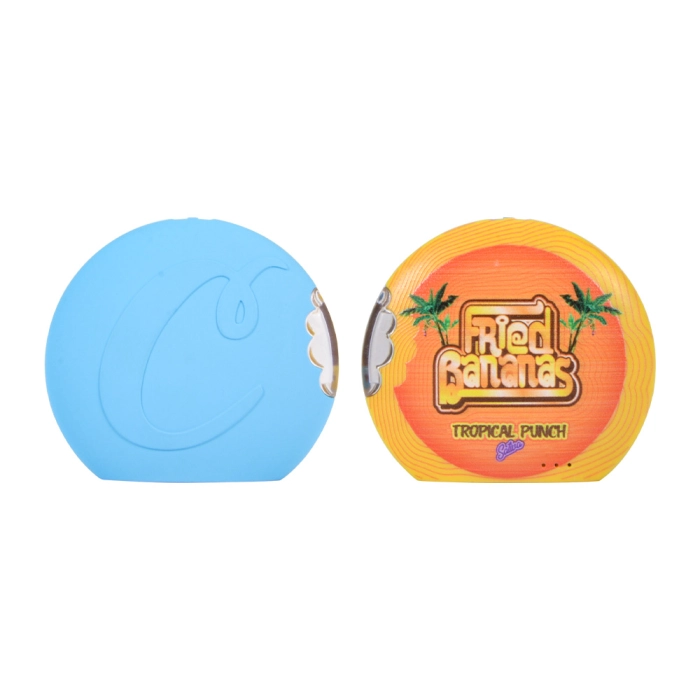 From First PO to Repeat Orders: A B2B Launch Blueprint for Circle Cookies & Fried Banana 2G EMPTY Disposables
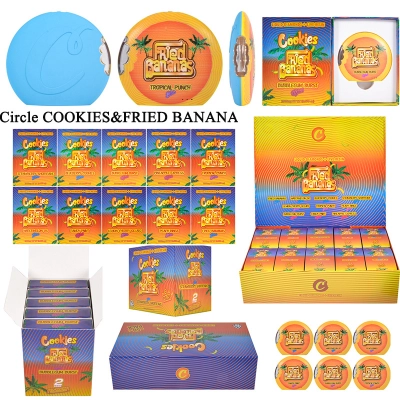
 Your buyer isn’t purchasing a device—they’re purchasing risk management At BOFU, the deal closes when the customer believes your product can scale without surprises: no batch drift, no retailer backlash, no logistics headaches, and no “what did we just import?” panic. The environment explains why. FDA publicly lists 41 authorized e-cigarettes in the U.S. nicotine market. And U.S. agencies have demonstrated enforcement capability by seizing millions of unauthorized units, including a major action involving 4.7 million units. If you want to sell Circle Cookies & Fried Banana 2ml EMPTY hardware to wholesalers, you need a launch plan that feels professional. Phase 1: Define the commercial program (not just the product) Create a one-page “program sheet” that includes: product name: Circle Cookies & Fried Banana 2G (2ml) disposable — EMPTY hardware only the 10-variant structure (SKU naming logic + box differences) what can be customized: logo placement, box, sleeves, inserts what is standardized: case pack, QC criteria, lot code format your intended channel: wholesale distribution, private label, OEM This is what buyers forward internally to get approvals. Phase 2: Run a controlled pilot PO Instead of launching big, structure the first production run as a pilot: pre-shipment inspection on critical defects lot coding on device and master case “golden sample” retention (you keep one; supplier keeps one) defined DOA process (time window, evidence required, replacement rules) Pilot discipline turns you from a seller into a supplier. Phase 3: Build “retailer-safe” packaging for a 10-variant lineup Because youth flavor use remains a central sensitivity point, your packaging must look like adult commerce. In 2024, 87.6% of youth who currently used e-cigarettes used flavored e-cigs. BOFU packaging best practices: restrained visual language (avoid youth-coded cartoons or candy aesthetics) consistent typography and clear variant differentiation compliance-friendly wording: “EMPTY / hardware only” visible lot/batch coding optional “restricted-channel” label set for stricter retailers This reduces friction for distributors who sell into mixed retail environments. Phase 4: Documentation pack that makes wholesale buyers comfortable Buyers who move volume want a “ship-ready” documentation set. Provide: specification sheet (battery, coil type, materials overview) QC standards + acceptance criteria carton pack-out, weights, dimensions traceability explanation (how lot codes map to production) customization guide (artwork specs, print areas, packaging options) Given heightened attention on disposable device materials, it also helps to include a short quality note about your materials controls and no-substitution policy, since studies have raised concerns about metals emissions in some disposables. Phase 5: Lock reorder stability (this is where profit lives) If the pilot is successful, scale with terms that protect reorders: BOM stability clause (no component substitutions without written approval) agreed QC standard (AQL or equivalent) lead-time commitments and reorder triggers RMA policy boundaries and timelines forecast windows (30/60/90 days) This is what turns a “launch” into a line. Phase 6: Close with an offer that wins without racing to the bottom A BOFU offer that converts for B2B buyers is structured, not flashy: tiered pricing by volume included documentation pack customization options with clear MOQ and timelines packaging upgrade after reorder #2 (reduces first-order friction) SLA for verified DOA replacements When enforcement and scrutiny are part of the operating environment, buyers prefer predictable suppliers—even if they’re not the cheapest. BOFU closing note A Circle Cookies & Fried Banana 2ml EMPTY disposable line becomes a real wholesale program when it’s built like one: disciplined pilot control, retailer-safe variant architecture, documentation readiness, and reorder stability. If your customer can trust the second shipment will match the first, you’ve won the account. If u wanna know more details, pls click to these pages: disposable vape, 2g disposable,US cookies fried banana 2ml vape

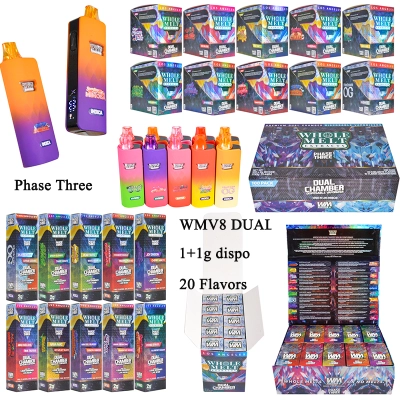
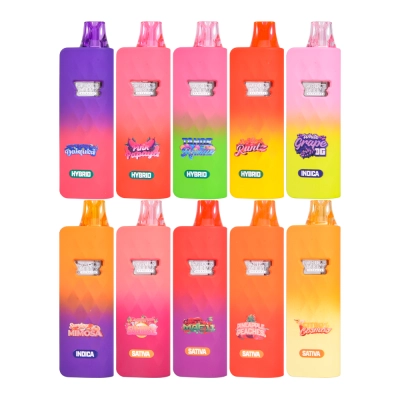
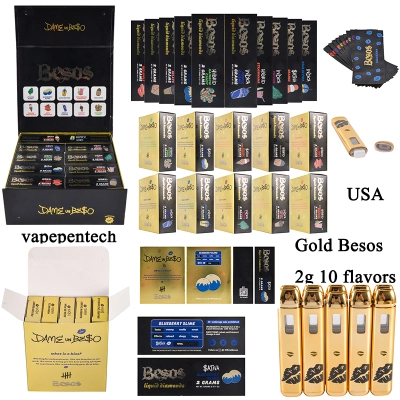
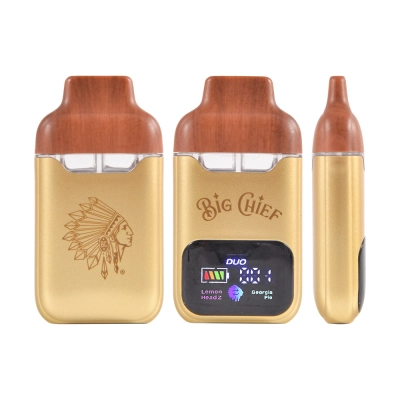
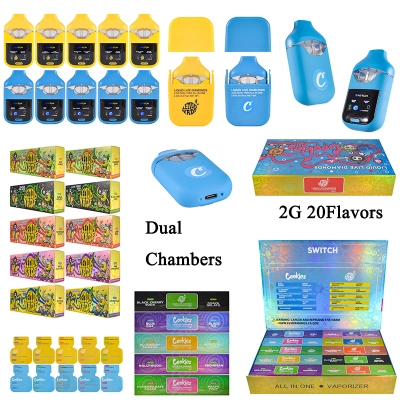
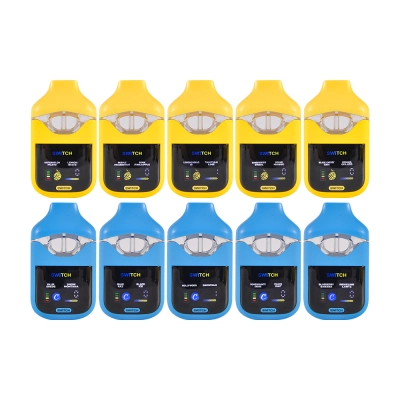
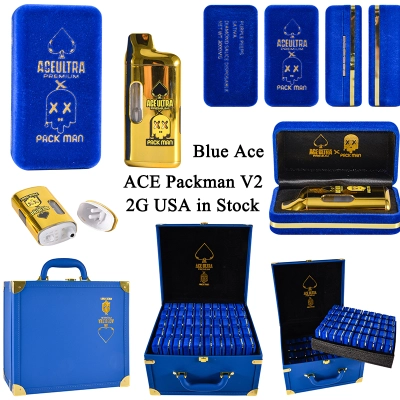
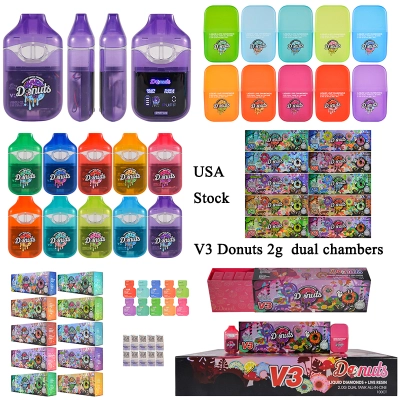
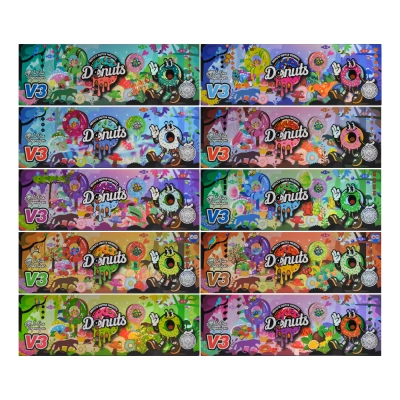
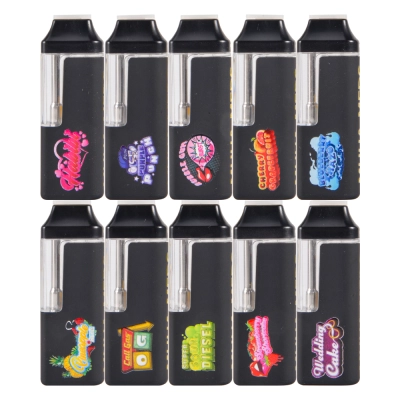
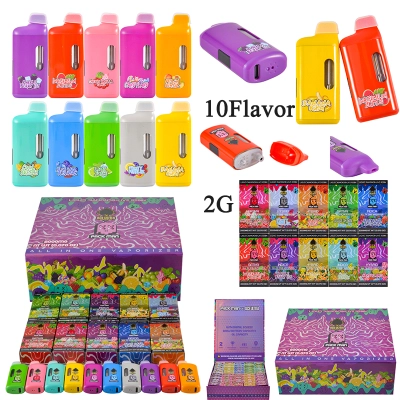
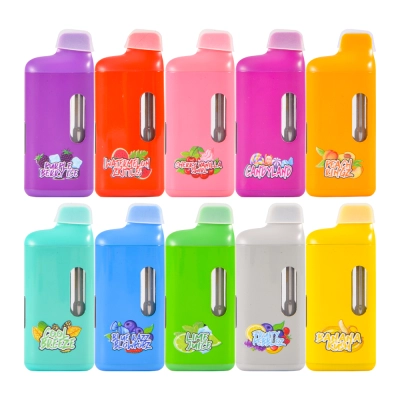
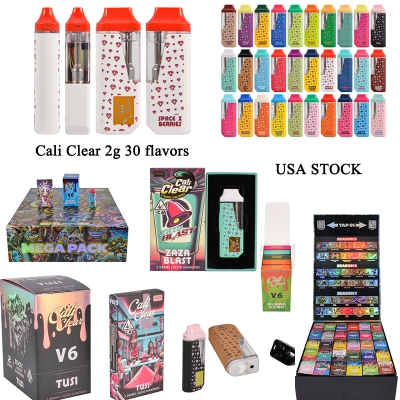
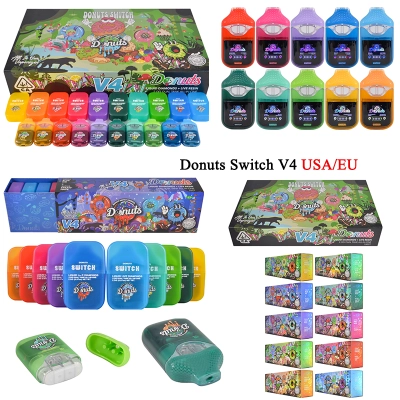
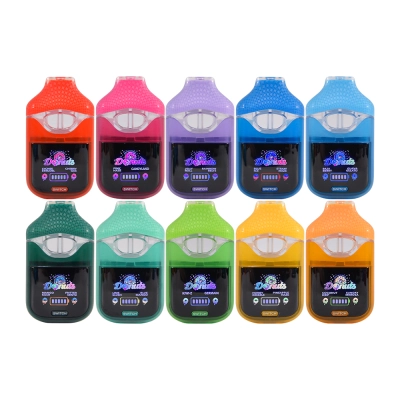
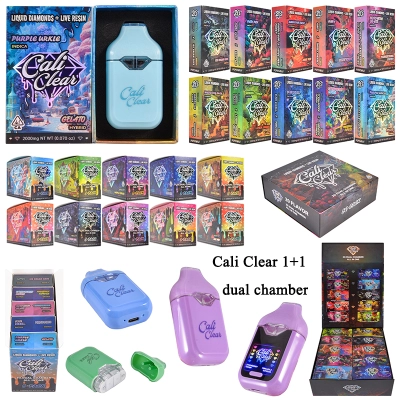
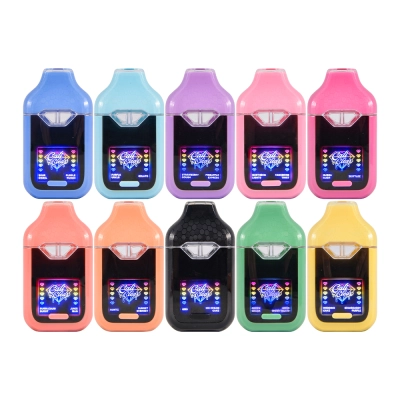
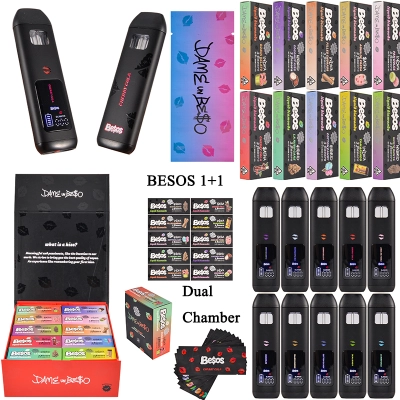
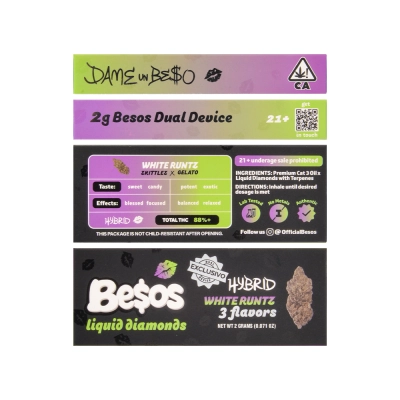
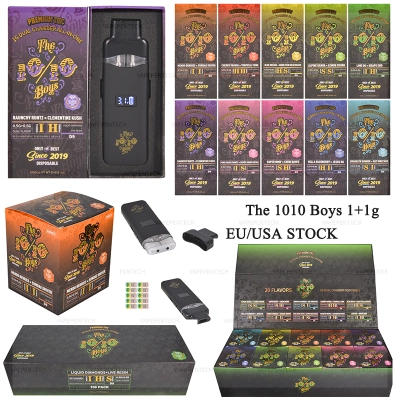
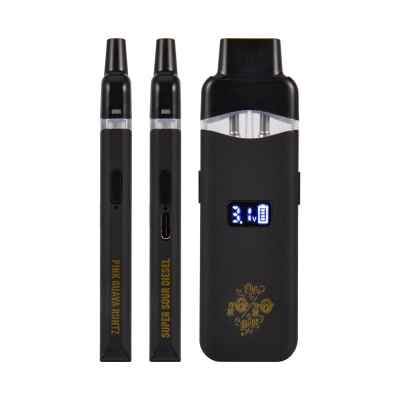
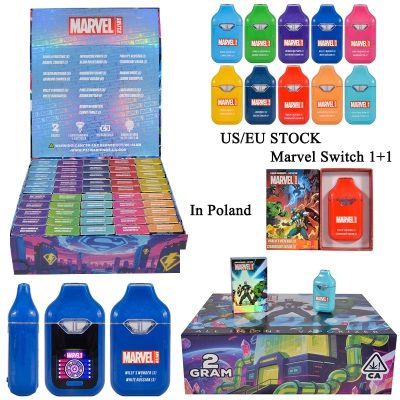
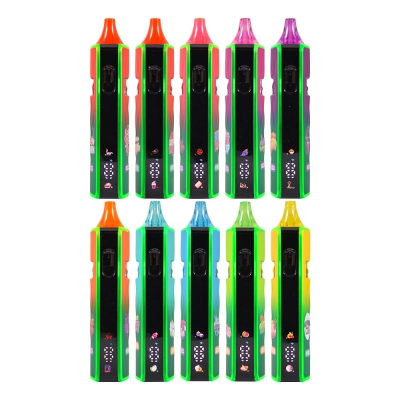
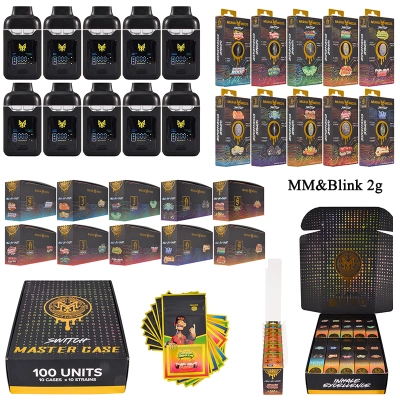
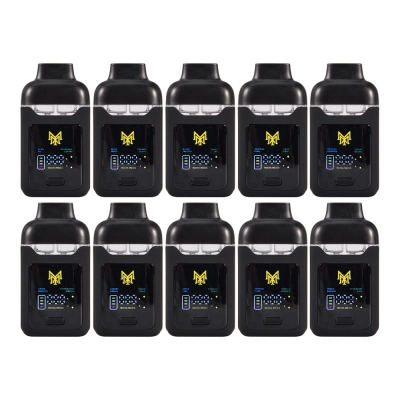
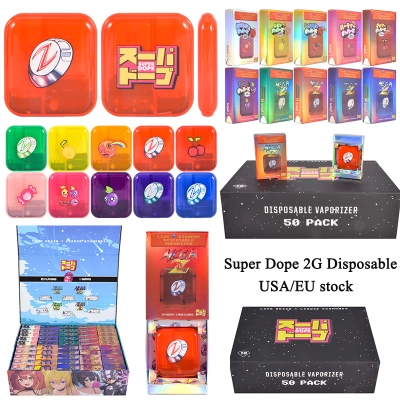
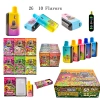
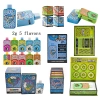
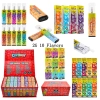
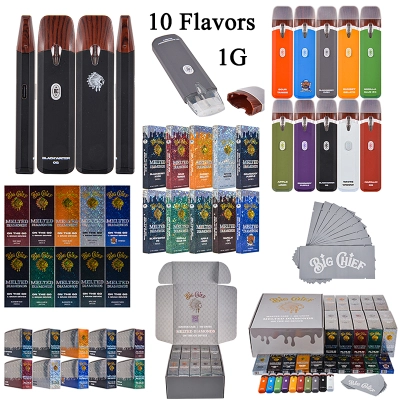
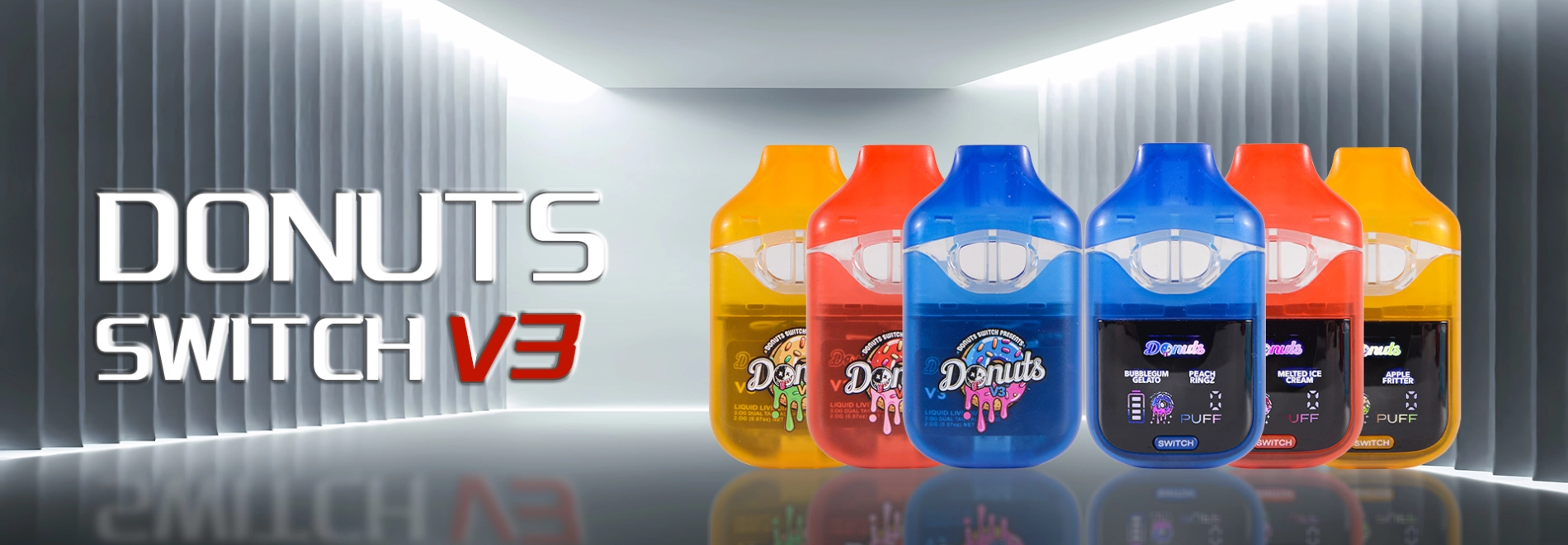
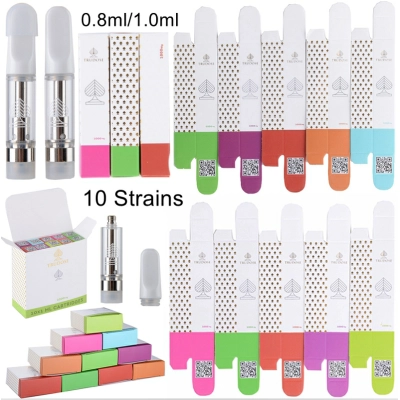
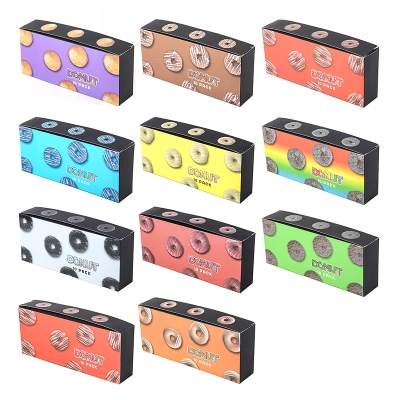
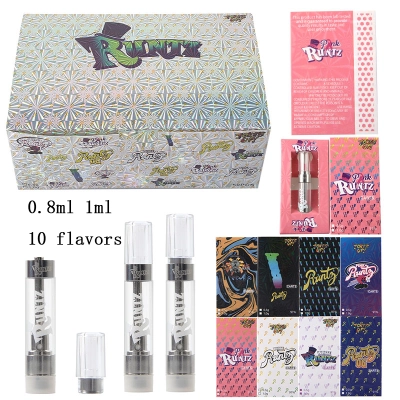
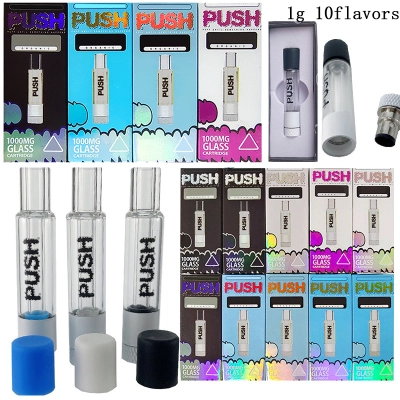
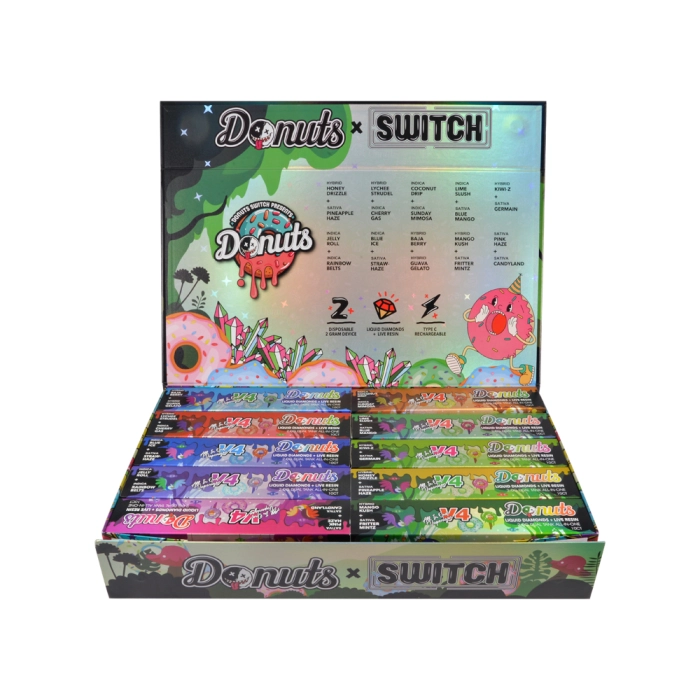 What Is Donuts V4 2G Disposable? A Complete Guide to the Next Generation Dual Chamber Vape Device
 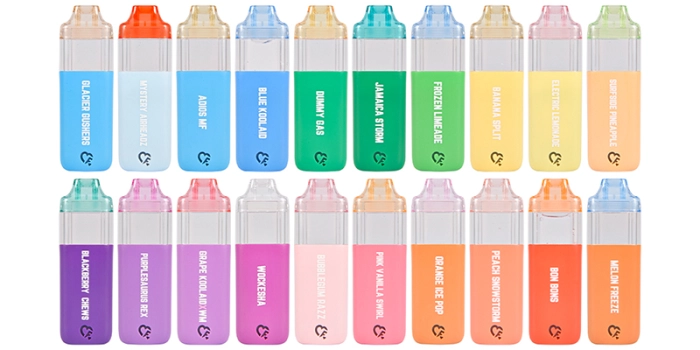 Favorites 3G Disposable Review: Features, Flavors, and Why It Stands Out in Today's Vape Market
 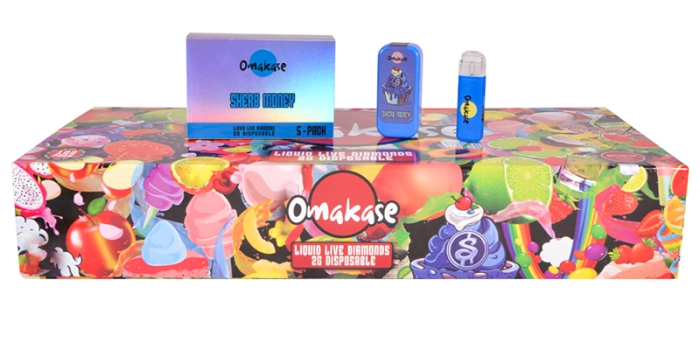 The Evolution of Empty Disposable Vape Hardware: Why 2g Screen Devices Are Becoming the New Industry Standard
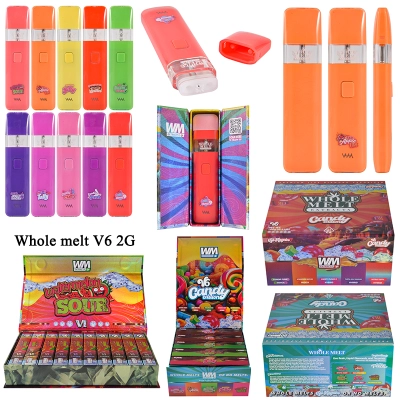
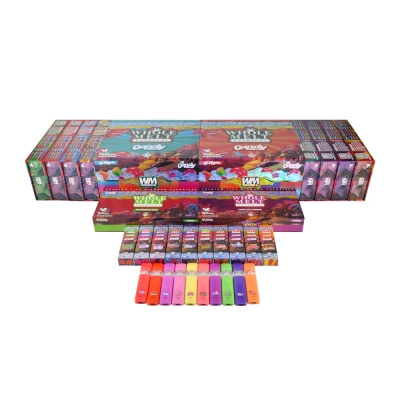
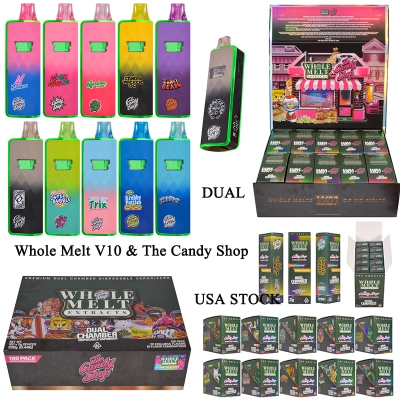
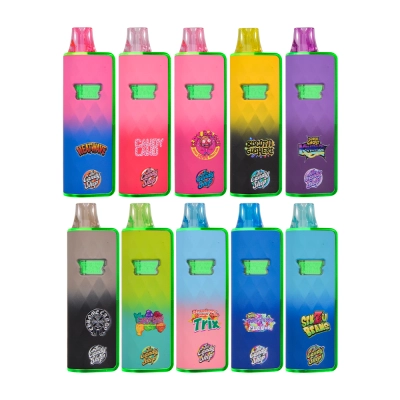
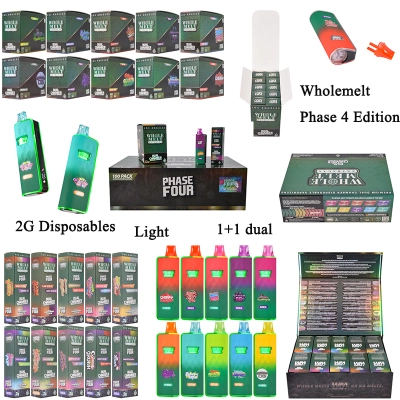
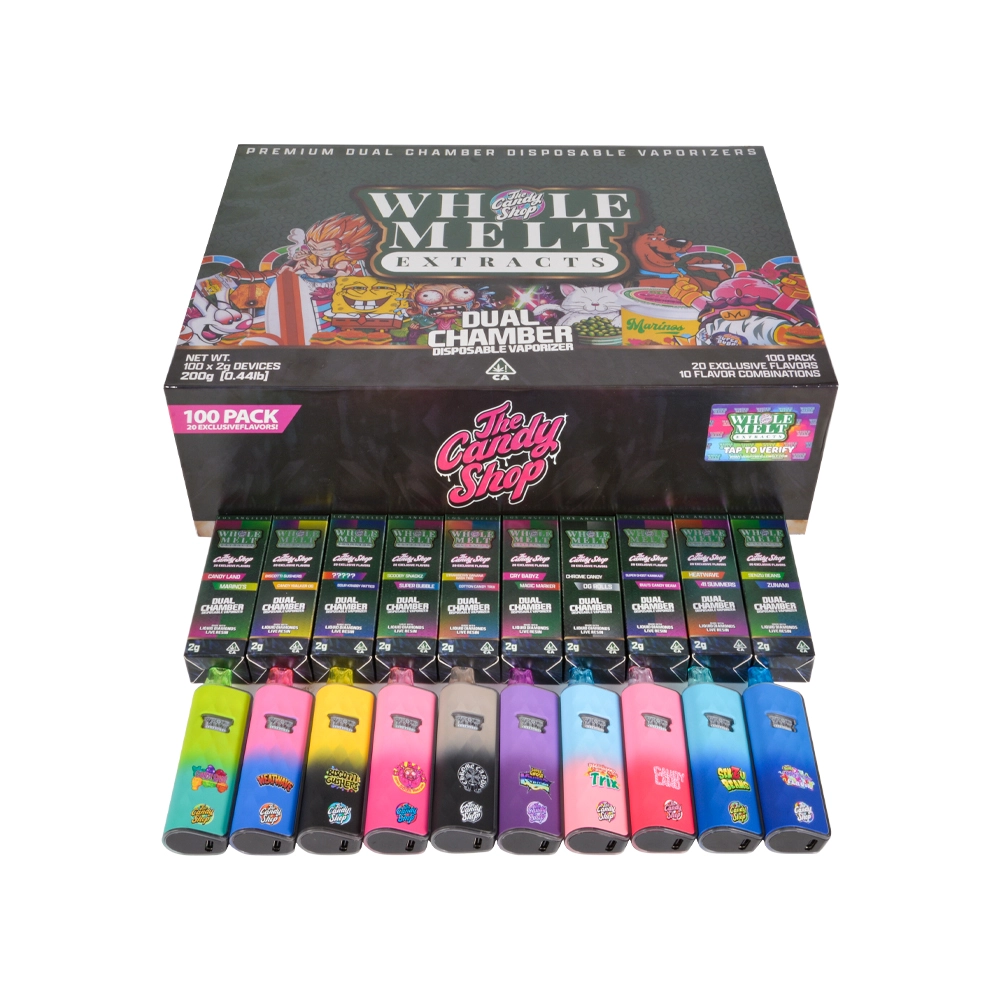
 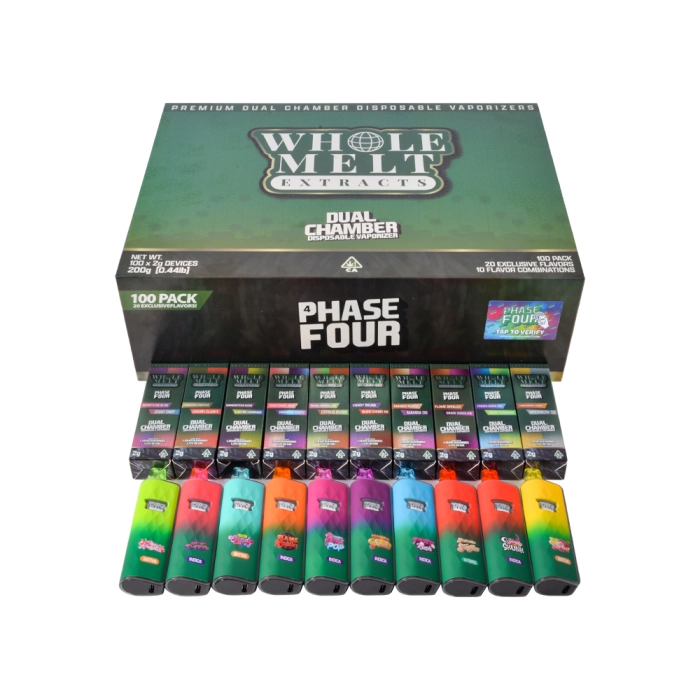 A Complete Buyer’s Guide to Whole Melt 2G Disposable Phase 4 Empty Vapes