
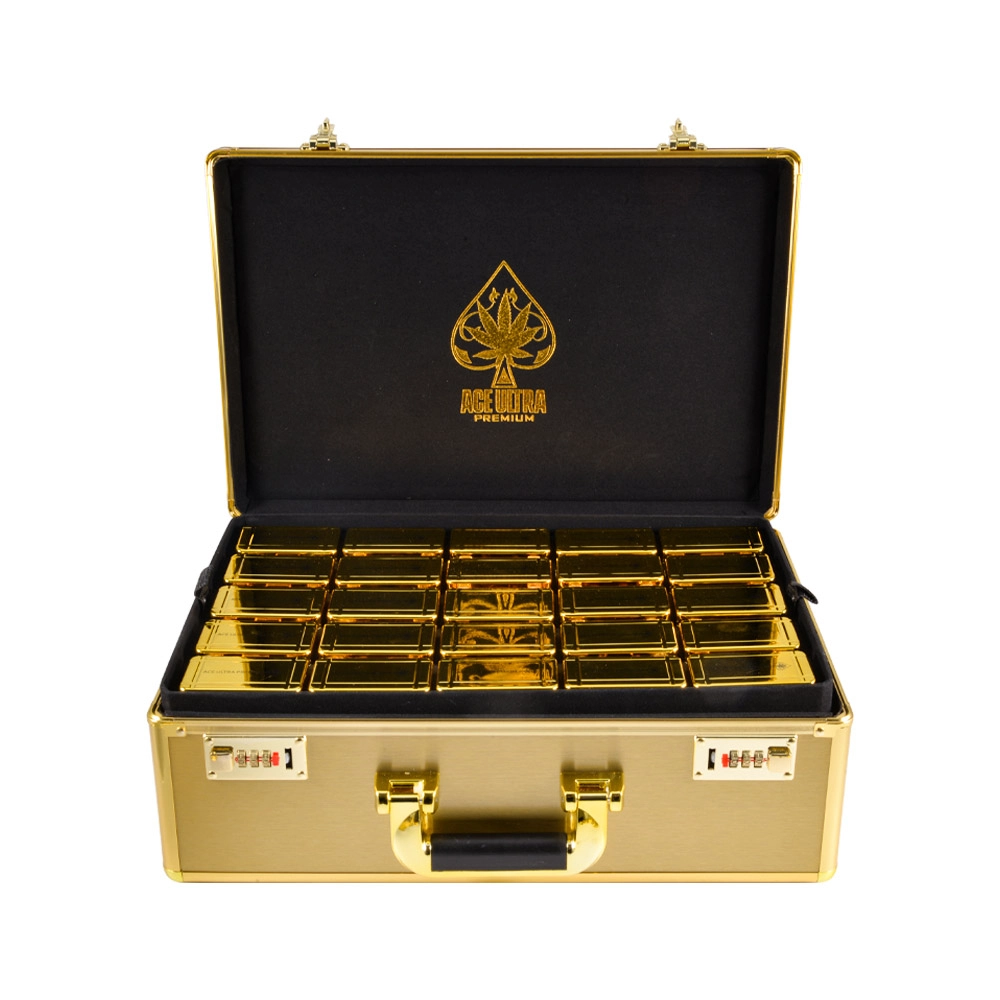
If you’re sourcing vape hardware for a B2B program in 2026, the conversation has changed. Buyers used to start with “What looks good and sells fast?” Now the first question is usually: “What keeps us out of trouble, reduces returns, and stays viable as rules tighten?” That shift is why more wholesalers and brand operators are moving upstream—toward empty pod / empty device hardware they can fill and control through licensed partners (where applicable), instead of relying on finished, single-use products.
This is not just a “trend” story. Regulators are actively targeting disposables for environmental and youth-use reasons. In the UK, for example, it became illegal for businesses to sell or supply single-use vapes from June 1, 2025. The rule explicitly targets devices that are not refillable and use a battery that cannot be recharged.
At the same time, public-health scrutiny is rising globally. WHO reported its first global estimate of e-cigarette use, including 100+ million people vaping worldwide and at least 15 million users aged 13–15. Whether you sell nicotine products or only hardware, that context drives tighter oversight, stricter enforcement, and faster policy changes that buyers must plan around.
The B2B reality: your “device choice” is a supply-chain decision
For wholesale customers, the hardware isn’t just the product—it’s the backbone of a repeatable process:
-
Receiving and QC speed (can your team check 1,000 units without chaos?)
-
Failure rate and return risk (battery, charging, airflow, seals, mouthpiece fit)
-
Packaging consistency (SKU recognition, version labeling, carton integrity)
-
Regulatory flexibility (markets shifting away from single-use formats)
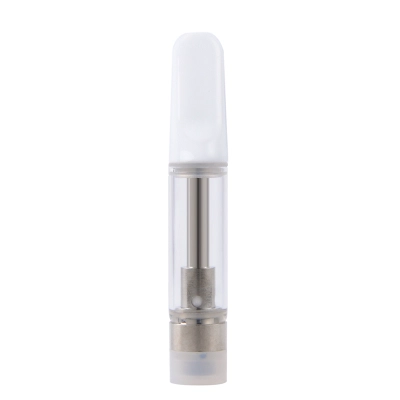
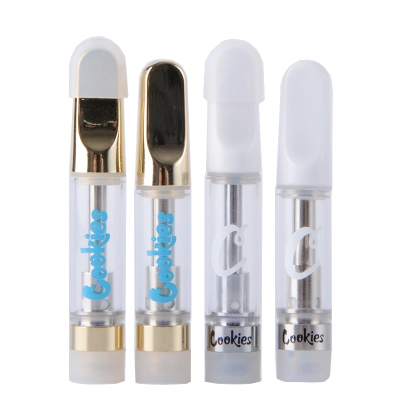
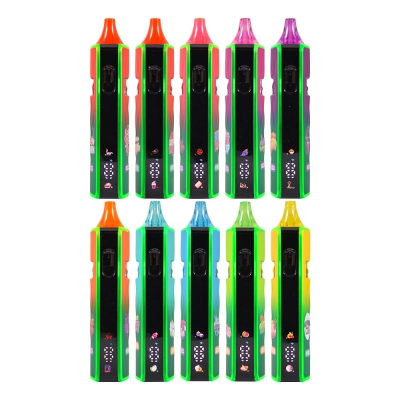
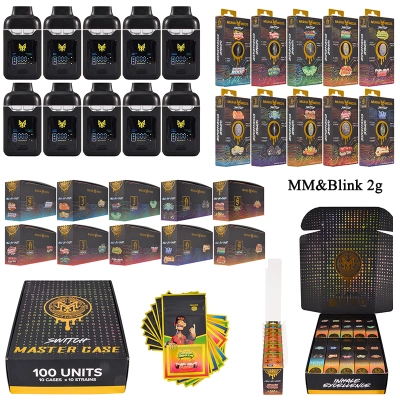
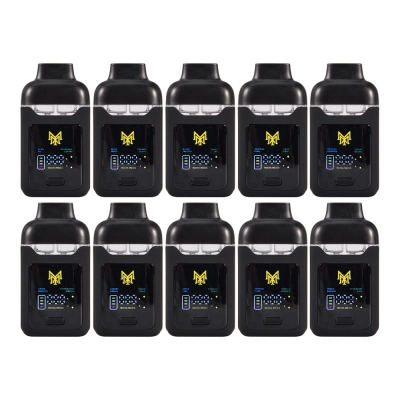
This is where Gold Edition Ace Ultra 2g-style empty pod hardware (empty only) becomes a useful reference point. Even if your final branding changes, the procurement logic stays the same: choose a platform that can be standardized, inspected quickly, and re-ordered with minimal drift.
Why “single-use” pressure pushes buyers toward rechargeable/refillable formats
One of the strongest demand drivers is policy aimed at waste. Material Focus research highlighted the scale of disposal problems in the UK, reporting nearly 5 million single-use vapes thrown away per week (a major argument behind the crackdown).
When a market restricts single-use, B2B buyers typically respond in one of three ways:
-
Move to rechargeable/refillable platforms (the most direct “format shift”)
-
Reduce product risk by standardizing parts and QC criteria
-
Improve documentation and traceability so they can defend the supply chain
Even outside the UK, the same pressures show up in retailer requirements, shipping policies, marketplace enforcement, and payment provider compliance. So even if you never ship to that market, you still feel the ripple.
U.S. compliance pressure: “authorized products” and enforcement context
In the U.S., FDA is clear that to legally market a new tobacco product, companies must have a marketing order. And FDA’s own list states there are 39 e-cigarettes authorized—and that these are the only e-cigarettes that may be lawfully sold in the U.S.
For an empty pod / empty device hardware seller, the practical takeaway is not to debate categories here—it’s to recognize why buyers prefer hardware-only sourcing: it reduces the number of regulatory “moving parts” that can break a program (claims, flavors, nicotine authorization, packaging requirements, etc.). Buyers want controllable risk.
What TOFU readers actually need: a first-call checklist
When a B2B customer first asks about a Gold Edition Ace Ultra 2g-style empty pod, the best response is not a spec dump. It’s a short, structured set of discovery questions that show you understand procurement risk:
1) Use-case and market
-
Where will this be distributed (countries/states)?
-
Is your format requirement rechargeable/refillable in any key market?
2) Version control
-
How many variants do you plan (colorways, mouthpiece styles, charging port type, packaging variations)?
-
Do you need version labeling on inner box + master carton?
3) Reliability priorities
-
What return issues hurt you most today (charging failures, leaks, airflow inconsistency, cosmetic scratches)?
4) QC expectations
-
Do you want a simple AQL plan, or 100% function test on key checks?
5) Packaging + logistics
-
Drop test expectations, carton count, barcode placement, and “receiving speed” requirements.
Why the “Gold Edition” concept matters at TOFU stage
Gold finishes convert because they read as premium. But in B2B, aesthetics are only valuable if they don’t increase returns. Premium-looking finishes can also create hidden problems: scratches during transit, fingerprinting, coating inconsistency, or color mismatch between lots. The smartest TOFU move is to frame “Gold Edition” as a controlled finish spec (coating method, hardness expectation, scratch test standard, and handling requirements)—not just a color choice.
A simple TOFU takeaway
If you’re building a repeatable wholesale program, empty pod hardware is no longer a “hardware choice.” It’s a strategy for reducing compliance uncertainty, stabilizing your supply chain, and protecting margin from preventable returns—especially as markets keep squeezing single-use products.
And the fastest way to look professional to B2B buyers is to lead with process: requirements, QC, version control, packaging discipline. The product sells better when the procurement story is clean.




0 Comments