

At BOFU, your customer isn’t asking “What is this?” They’re asking, “Can I place a PO without getting burned?” In hardware wholesale, that usually means three fears:
-
The next batch won’t match the sample
-
Failures will create returns and reputation damage
-
Packaging/version confusion will slow receiving and cause mis-shipments
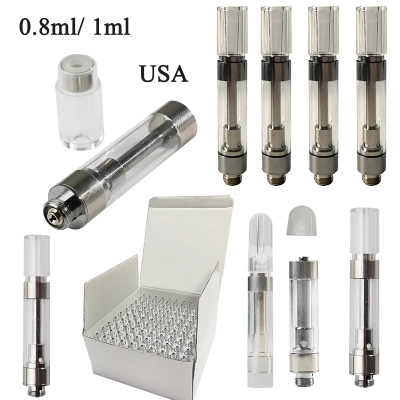
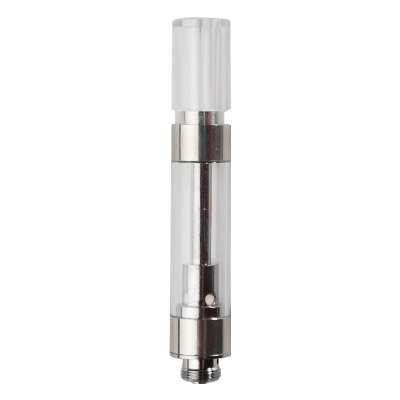
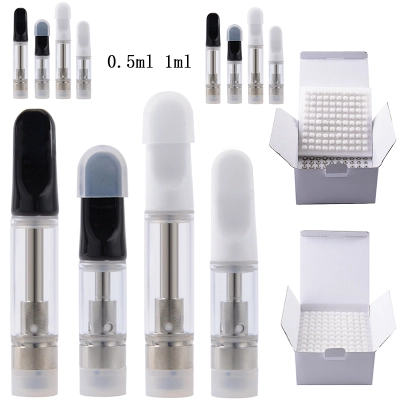
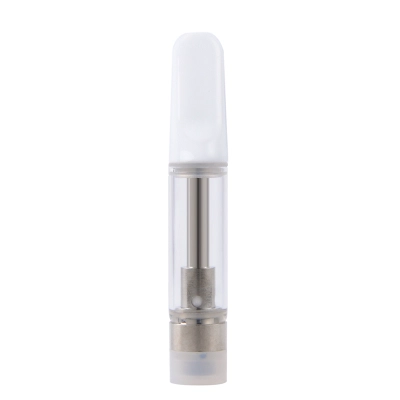
This post is written for B2B buyers evaluating Gold Edition Ace Ultra 2g-style empty pod hardware (empty only). No links, no fluff—just the checklist that helps a buyer move from interest to a confident first order.
Step 1: Confirm the format risk for your target market
The UK’s single-use ban took effect June 1, 2025 and targets devices that are not refillable and have non-rechargeable batteries. That type of regulatory move is exactly why B2B buyers increasingly require rechargeable/refillable options and documented version control.
Even if your shipments aren’t UK-bound, this matters because distributors and retailers often align product standards across markets to simplify operations. So start here:
-
Is your target format explicitly rechargeable?
-
Is it refillable?
-
Do you have documentation to support that format description (for platform rules, audits, and customer QA)?
Step 2: Lock the “non-negotiables” into an RFQ spec sheet
A BOFU buyer should leave the first call with a one-page RFQ. Here’s a clean structure you can use:
A) Product definition
-
Product: Gold Edition Ace Ultra 2g-style empty pod hardware
-
Empty only (no oil / no nicotine / no THC/CBD / no prefilled content)
-
Intended customers: wholesale buyers, OEM/ODM programs, licensed fillers (where applicable)
B) Build and function
-
Charging interface type (buyer preference is often Type-C; specify)
-
Battery performance targets (not a number claim—state minimum runtime expectation)
-
Airflow style (tight / medium / open) and variance tolerance
-
Seal/leak resistance expectations (handling temperature range during transit)
-
Draw activation behavior (sensitivity, false-trigger tolerance)
C) Finish and cosmetics
-
Gold finish method requirement (e.g., plated / coated)
-
Scratch resistance expectation (define test method + acceptable defect rate)
-
Fingerprint visibility preference (matte vs glossy behavior)
D) Version control
-
Variant naming convention (SKU structure)
-
Inner box label fields (variant, lot code, barcode)
-
Master carton label fields + carton count
Step 3: Audit the supplier like a buyer, not a fan
The reason regulation matters at BOFU is that enforcement pressure pushes buyers to demand traceability. In the U.S., FDA emphasizes that legally marketing new tobacco products requires marketing authorization, and FDA’s authorized list is small—39 e-cigarettes. That climate increases scrutiny across the entire ecosystem.
For hardware-only procurement, the practical move is to verify the supplier’s “boring” capabilities:
-
Do they maintain consistent BOM (bill of materials) control?
-
Can they provide lot coding and batch records?
-
Can they hold a “gold standard sample” and match it across production?
-
Do they run incoming QC on components (not just final assembly)?
Step 4: Run a sample plan that predicts real-world returns
A BOFU sample should be tested like a mini launch, not like a photo prop. Suggested protocol:
Phase 1: Visual and fit checks (fast)
-
Coating consistency, logo alignment (if any), seam tolerance
-
Mouthpiece fit and wobble
-
Port alignment and cleanliness
Phase 2: Function checks (the return-makers)
-
Charging handshake consistency (multiple chargers/cables)
-
Draw activation reliability (false fires, weak activation)
-
Airflow variance across units (10–20 unit micro-sample)
Phase 3: Handling simulation (the hidden killers)
-
Simple drop/box shake simulation (packaged)
-
Temperature exposure window that matches your lane reality
-
Post-simulation re-check for loose parts and cosmetic rub
Step 5: Write the PO to protect against “sample drift”
Most disputes come from ambiguity. Your BOFU advantage is a PO that removes wiggle room:
-
Golden sample reference: “Production must match approved sample ID ____.”
-
Allowed variance: define acceptable defect rate for cosmetics and function.
-
Rework/replace terms: how failures are handled and what evidence is required.
-
Packaging proofs: label layouts approved before mass print.
-
Lot codes: required on inner and master packaging.
Step 6: Plan your receiving workflow before the shipment leaves
If a buyer can receive 5,000 units in 2 hours instead of 8, that’s real money. Pre-build:
-
A carton-level checklist (labels, counts, damage)
-
A unit-level spot check SOP (function + finish)
-
A quarantined “hold area” for suspect cartons
-
A photo documentation habit (prevents arguments later)
The BOFU close: why this checklist works
At decision stage, the product matters—but the process wins the deal. Regulatory tightening and waste-driven policy changes are pushing buyers away from single-use uncertainty, while public-health scrutiny keeps rising worldwide.
A Gold Edition Ace Ultra 2g-style empty pod can be a strong wholesale item if you treat it like a controlled program: locked specs, version discipline, and QC that targets return drivers. That’s what turns a “one-time buy” into a repeat PO.






0 Comments