
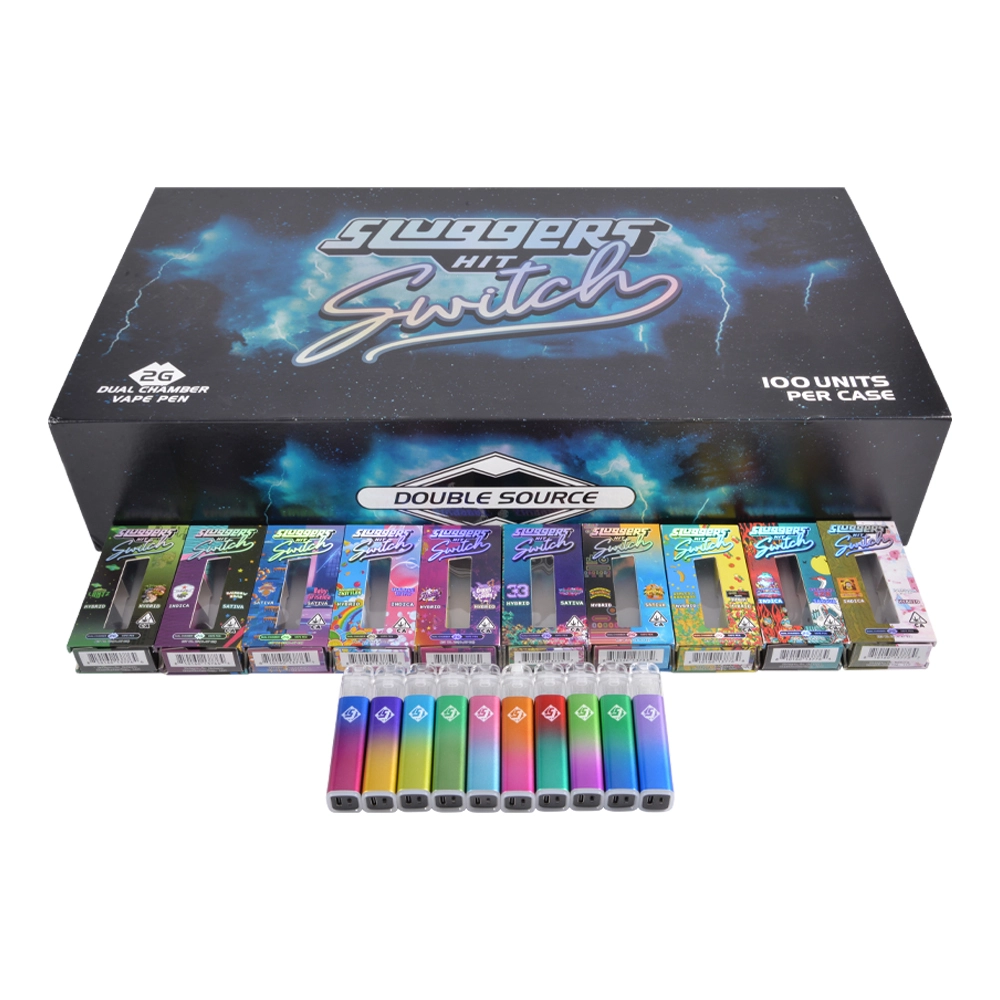
A market that’s bigger—and more regulated—than ever
If you’re sourcing vapor hardware in 2026, you’re operating inside two powerful (and sometimes conflicting) realities: demand keeps expanding, and compliance pressure keeps tightening. The World Health Organization (WHO) now estimates more than 100 million people worldwide use e-cigarettes, including at least 15 million adolescents (ages 13–15)—a scale that guarantees continued regulatory focus.
At the same time, enforcement actions are becoming more visible and more disruptive to supply chains. In the U.S., federal agencies have executed large seizures of unauthorized e-cigarettes—including a September 2025 operation that stopped ~4.7 million units (reported MSRP $86.5M) and noted that only 39 e-cigarette products/devices were FDA-authorized at that time.
For B2B buyers, the takeaway is simple: hardware innovation is no longer just about “what sells.” It’s about what can survive tightening rules, retailer audits, and logistics scrutiny.
What “dual-chamber 2g” really means (and why buyers care)
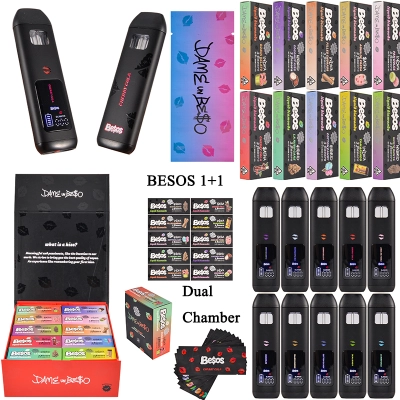
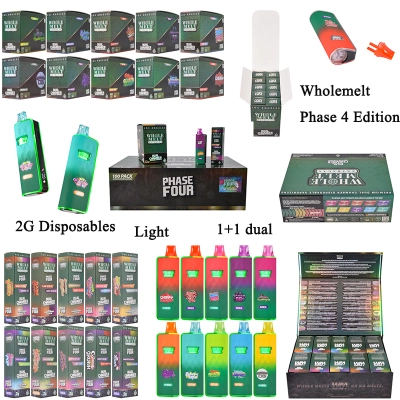
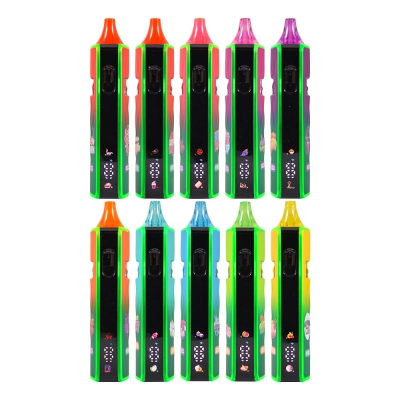
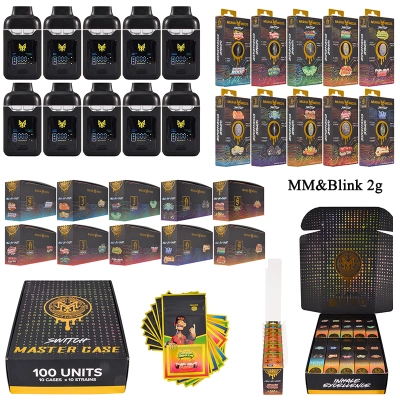
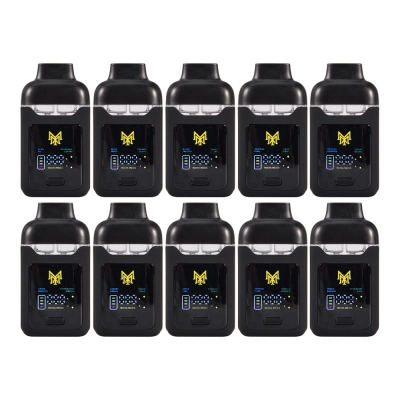
A dual-chamber 2g format typically refers to a single device that houses two separated reservoirs (often 1g + 1g) with a selector or switch to alternate between them. In the market, this “two-in-one” concept is already widely recognizable because consumer products in this style are promoted as 2g dual-chamber devices.
For B2B customers sourcing empty pods (hardware only), the business value isn’t novelty—it’s portfolio efficiency:
-
Two experiences, one SKU footprint: You can offer variety without doubling the number of devices a retailer must stock.
-
Better merchandising economics: One device supports multiple positioning angles (day/night, flavor A/B, profile X/Y).
-
Higher perceived value without complex bundling: Consumers understand “two-in-one” instantly; it often reduces the need for multi-pack promotions.
And yes—empty dual-chamber pods exist in the wholesale ecosystem, including listings explicitly positioned as EMPTY “Sluggers Hit”-style 2g switch dual-flavor hardware.
Why 2026 favors “smart simplicity” over “more features”
Dual-chamber can go in two directions: feature creep (screens, animations, gimmicks), or smart simplicity (reliable switching, consistent draw, low leakage). In a compliance-heavy world, B2B buyers increasingly prefer the second path.
Why? Because regulators and logistics stakeholders are paying attention to what’s being shipped and sold. One example: U.S. border enforcement has specifically targeted unauthorized products and distribution networks, raising the operational risk of stocking questionable SKUs.
Another example is the momentum behind restricting disposables on environmental grounds. The UK’s official policy moved to ban single-use vapes starting June 1, 2025, and the government cited estimates that almost five million single-use vapes were littered or thrown away in general waste every week.
For B2B decision-makers, this is the signal: hardware that can be positioned as more responsible—rechargeable platforms, replaceable pods, clearer end-of-life handling—will have an easier path with retailers and regulators.
The hidden B2B advantage: dual-chamber reduces “flavor risk”
Flavors drive demand—but they also drive scrutiny. Public health agencies continue to highlight the role of marketing and flavored products in youth appeal. In the U.S., CDC/FDA reporting from the 2024 NYTS shows e-cigarettes remained the most commonly used tobacco product among middle and high school students (5.9% current use).
For compliant adult markets, the job isn’t “avoid flavor”—it’s control how you present it:
-
cleaner labeling and SKU rationalization
-
fewer “cute” variants with youth-coded names
-
more adult, regulated-market framing and retailer discipline
Dual-chamber hardware can help here: instead of launching ten single-flavor devices, you can launch fewer, more intentional “pairings” with tighter messaging and fewer packaging variants.
Logistics and safety matter more than ever
Hardware with lithium batteries is also a logistics object, not just a consumer product. U.S. hazardous materials rules restrict where battery-powered smoking devices can be carried on aircraft (e.g., not in checked baggage), reflecting broader concerns with lithium battery safety.
Even if your shipments are compliant, retailers and freight partners increasingly expect you to have:
-
documented battery specifications (and test reports where applicable)
-
robust packaging to prevent activation during transit
-
clear carton labeling and consistent master-case configuration
This is especially relevant for “all-in-one” devices where the battery is integrated.
What to say to B2B buyers (without overpromising)
If you’re marketing a Sluggers Hit dual-chamber 2g empty pod to distributors, brands, or white-label partners, keep the story grounded:
-
Category fit: dual-chamber is now a recognizable, consumer-understood format.
-
Compliance mindset: enforcement is active; authorized-product language matters.
-
Sustainability pressure: regulators are restricting single-use, and waste metrics are headline-level.
-
Operational payoff: fewer SKUs, easier inventory, cleaner rollouts.
Closing thought: Dual-chamber 2g hardware isn’t just a “cool device.” In 2026, it’s a practical B2B tool for simplifying portfolios and de-risking launches—especially when you position it as empty hardware for legal, regulated filling and distribution.
If u wanna know more details, pls go to these pages: sluggers hit, sluggers dual 2g,USA sluggers dual chamber




0 Comments