
A purchase order is easy. A repeatable program is the win.
BOFU is where distributors and brand buyers decide whether your product becomes a reorder item—or a one-time experiment. The easiest way to lose the deal is to present a “device” without a program: documentation, QC, packaging discipline, and a clear SKU architecture.
This matters more now because enforcement and regulatory scrutiny are highly visible. U.S. agencies reported a single operation seizing 4.7 million unauthorized e-cigarette units valued at $86.5M, and also reported stopping 6+ million unauthorized units worth $120M+ that year.
And FDA’s public listing states there are 39 authorized e-cigarettes in the U.S. nicotine market.
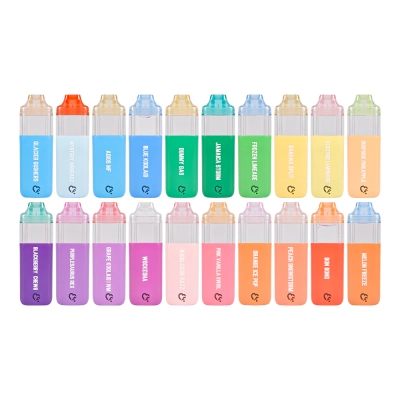
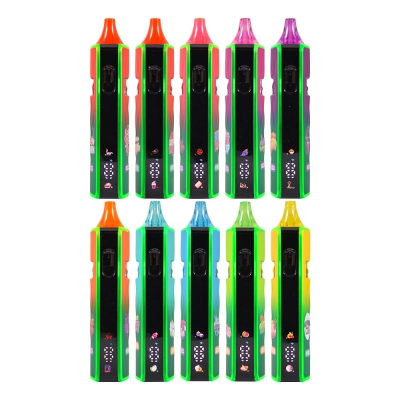
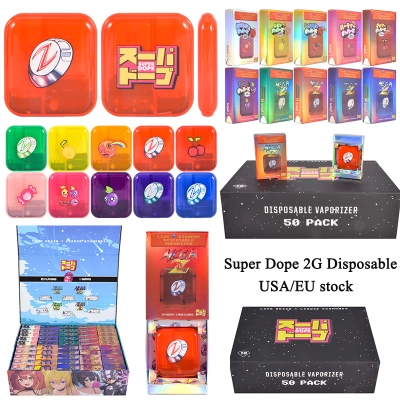
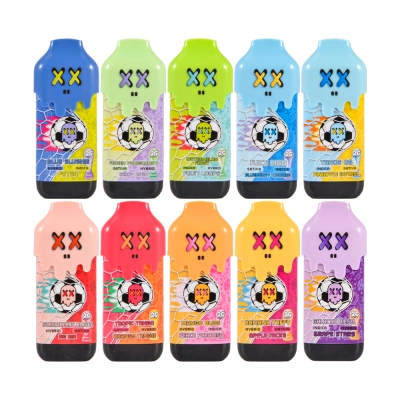
Here’s how to launch a Super Dope–style 1ml EMPTY disposable as a wholesale program that buyers trust.
Phase 1: Define the commercial SKU (before the PO)
Create a one-page “program sheet” with:
-
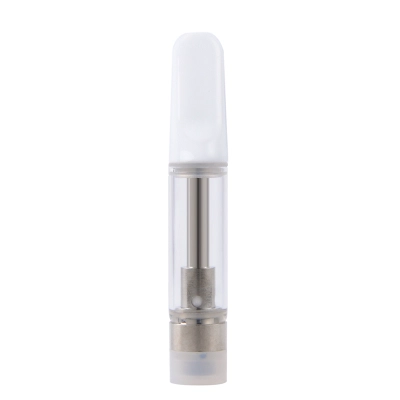
Product name: Super Dope 1ml (1g) disposable — EMPTY hardware only
-
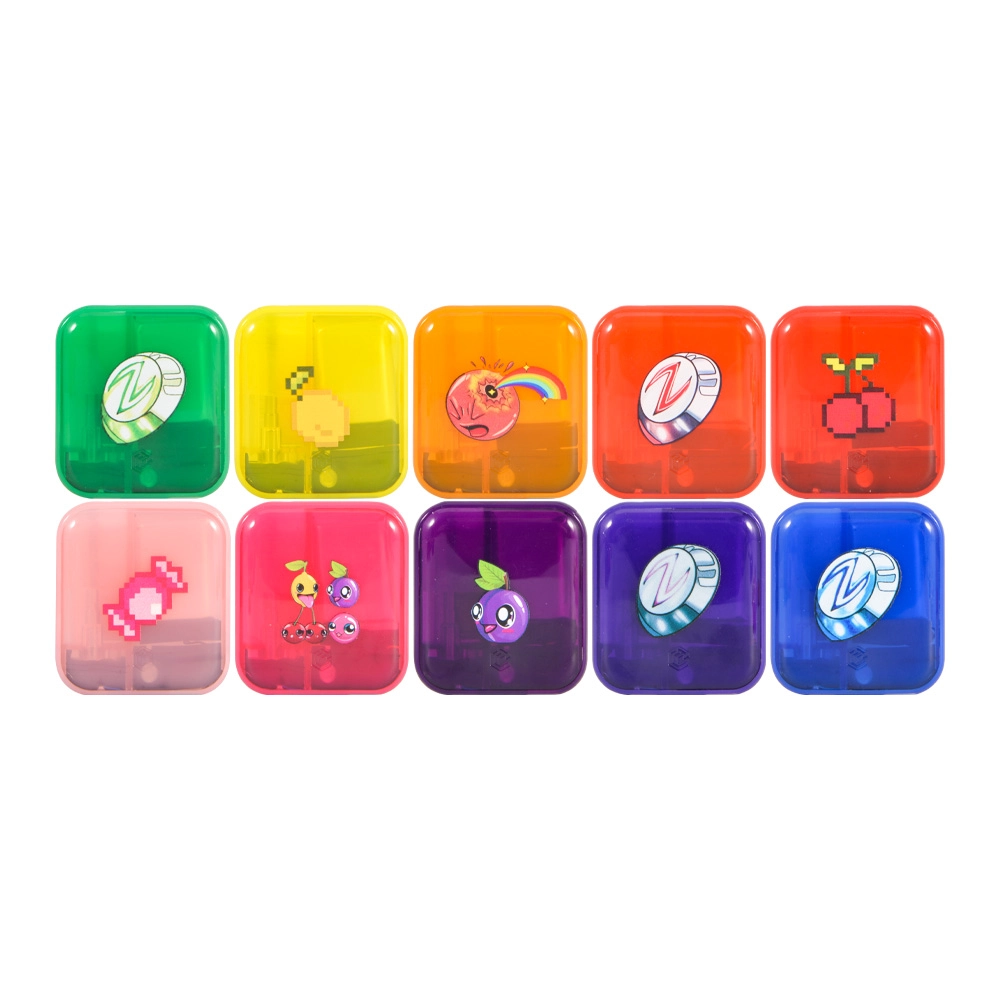
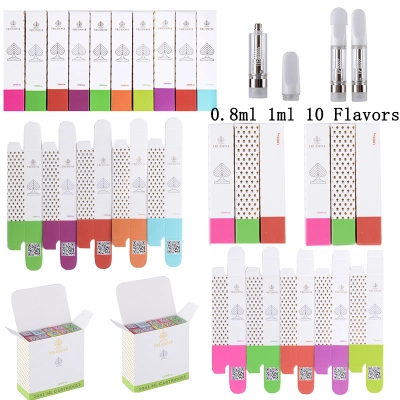
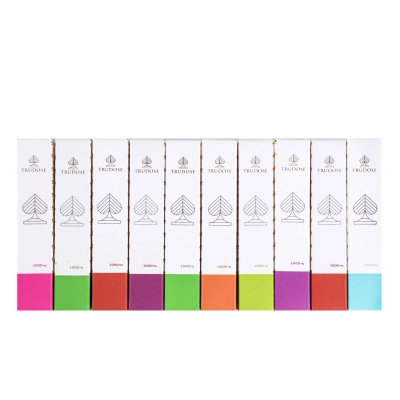
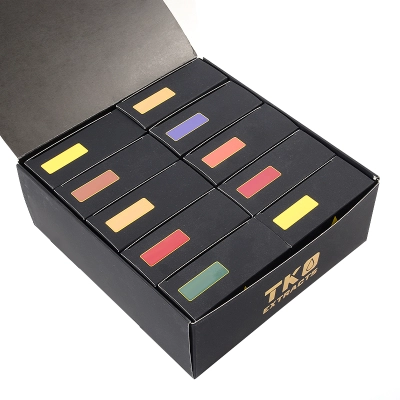
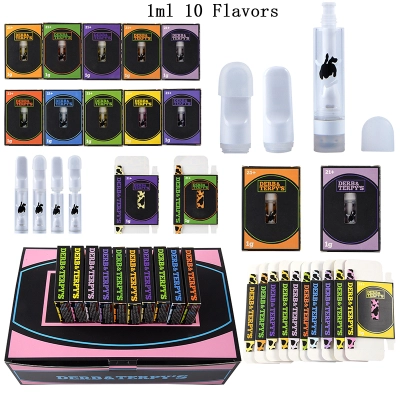
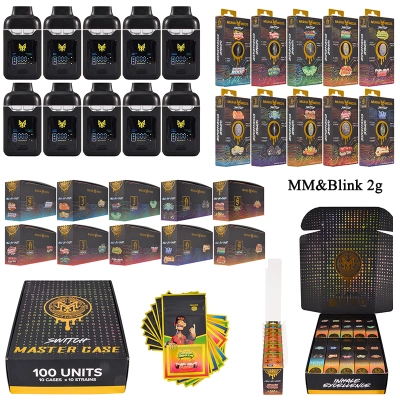
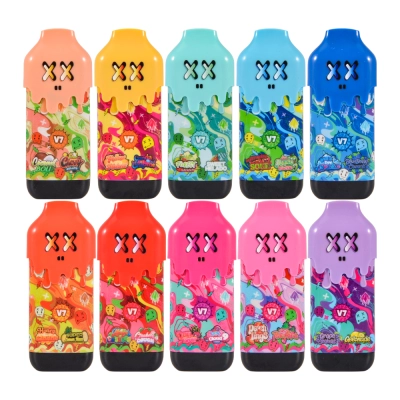
Your 10-variant structure (naming logic + packaging style rules)
-
What’s customizable: logo placement, box, sleeves, inserts
-
What’s standardized: carton pack-out, lot coding format, QC criteria
-
Target channels: wholesale distribution / private label / OEM
This document is what your buyer circulates internally to get approval.
Phase 2: Pilot run with controls (prove it at small risk)
Instead of jumping straight to scale, structure the first PO as a pilot:
-
Pre-shipment inspection on critical defects
-
Lot coding on device and master case
-
Golden sample retention (your side + supplier side)
-
Defined DOA process with replacement rules
If you can’t run a controlled pilot, you’re not ready for national distribution.
Phase 3: Build a “retailer-safe” packaging posture
Because youth use and flavored usage remain sensitive, your 10 variants must look like adult commerce—not youth marketing. In 2024, 1.63M youth reported current e-cigarette use, and 87.6% of current youth users reported using flavored e-cigs.
Practical packaging rules that help distributors say “yes”:
-
Clean typography and simple color systems
-
Avoid cartooning, candy visual language, or playful youth-coded naming
-
Add clear “EMPTY / no contents” labeling where appropriate
-
Keep batch/lot fields visible for traceability
Phase 4: Documentation pack that reduces friction for wholesale buyers
Distributors love suppliers who make compliance easier. Build a folder that includes:
-
Product spec sheet (materials, coil type, battery details)
-
QC standards + acceptance criteria
-
Carton pack-out, weights, dimensions
-
Traceability approach (lot coding explanation)
-
Customization guide (logo files, print areas, packaging dielines)
Bonus: include a short quality note acknowledging the broader category’s scrutiny around materials and metals—and your QC approach to mitigating risk. (Research has raised concerns about toxic metals in some disposable devices.)
Phase 5: Scale terms (what you lock for predictable reorders)
Once the pilot passes, scale with terms that protect both sides:
-
BOM stability clause (no substitutions without approval)
-
Agreed QC standard (AQL or equivalent)
-
Lead-time commitments and reorder triggers
-
RMA/returns boundaries and timelines
-
Forecast windows (30/60/90 days)
That’s what turns “hardware sourcing” into a brandable supply chain.
Phase 6: The BOFU offer that closes without racing to the bottom
Instead of discounting first, offer structure:
-
Tiered pricing by volume
-
Included documentation pack
-
Custom logo option (with clear MOQ)
-
Packaging upgrade after reorder #2 (reduces first-order complexity)
-
SLA for verified DOA replacements
This signals you’re a partner, not a one-off seller.
Final note (the version buyers remember)
A Super Dope 1ml EMPTY disposable line wins in B2B when it behaves like a system: 10 variants that wholesalers can manage, quality controls that reduce returns, and documentation that helps accounts stay confident—especially in a market where enforcement headlines and public health scrutiny are part of the operating environment.





0 Comments