
The market isn’t just competitive—it's being reshaped in public
Wholesale buyers in 2026 are navigating a category where demand exists, but scrutiny is accelerating. In the U.S., adult e-cigarette use reached 6.5% in 2023, and ages 21–24 were the highest-using adult group at 15.5%—a clear indicator that adult channels remain economically meaningful.
At the same time, regulators are making enforcement highly visible. U.S. agencies reported that a September 2025 action seized 4.7 million unauthorized e-cigarettes valued at $86.5 million, and noted that over 6 million unauthorized units worth $120+ million were blocked in that year.
Globally, the World Health Organization (WHO) has now published its first global estimate of vaping: 100+ million people worldwide use e-cigarettes, including at least 15 million adolescents (13–15)—a number that continues to tighten policy, platform moderation, and retailer standards.
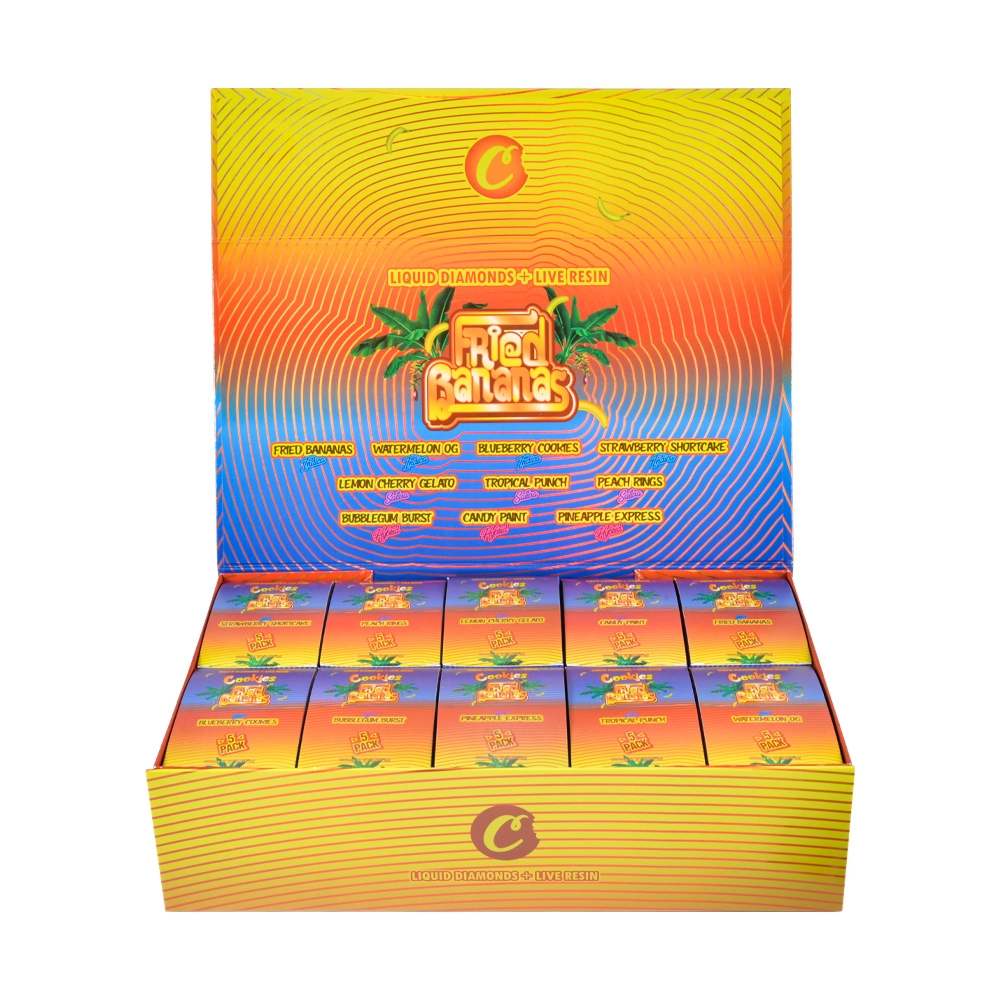
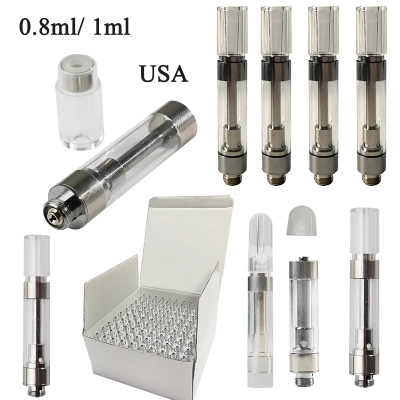
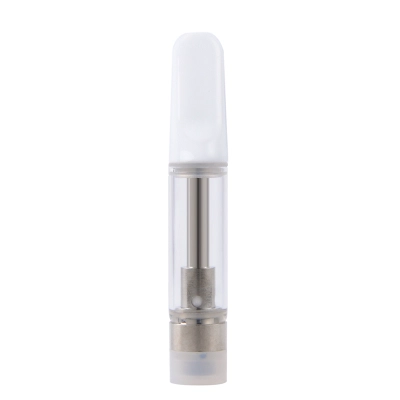
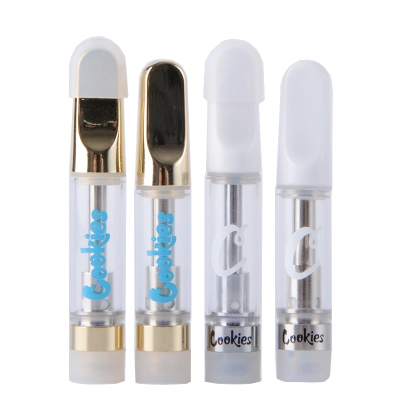
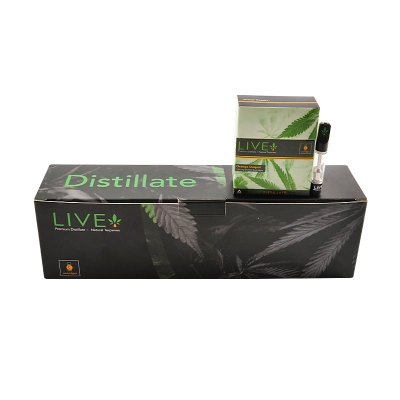
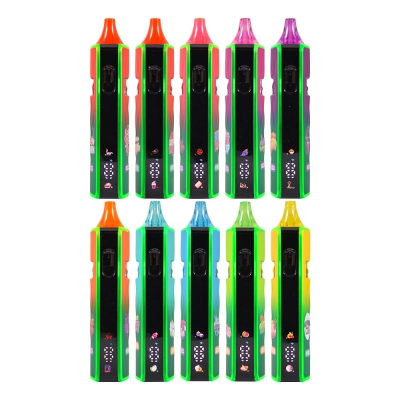
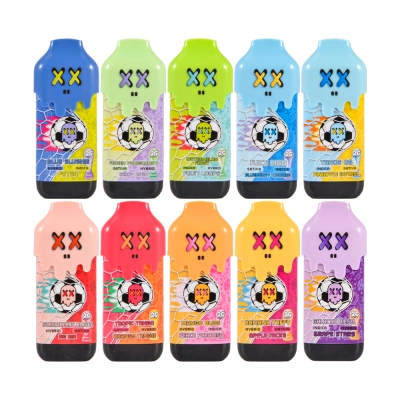
That’s the context for why a product like Circle Cookies & Fried Banana 2G Disposable (2ml) EMPTY vapes—positioned strictly as hardware-only for compliant programs—can be a strong portfolio tool for B2B buyers.
What you’re really selling (and what your B2B customers are really buying)
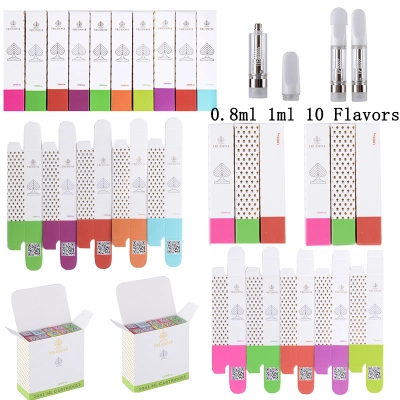
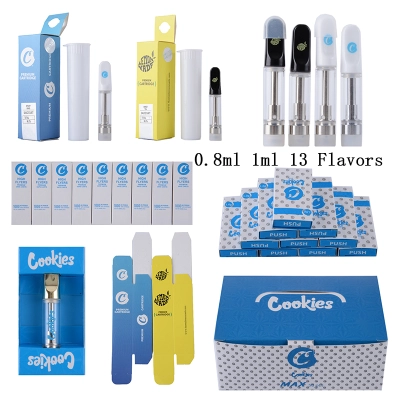
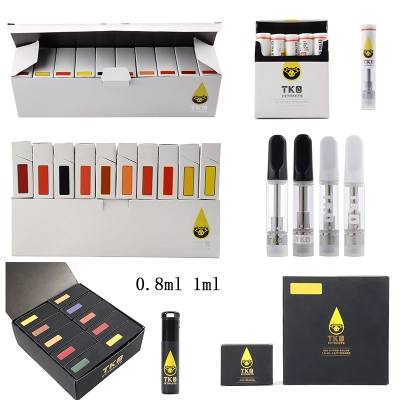
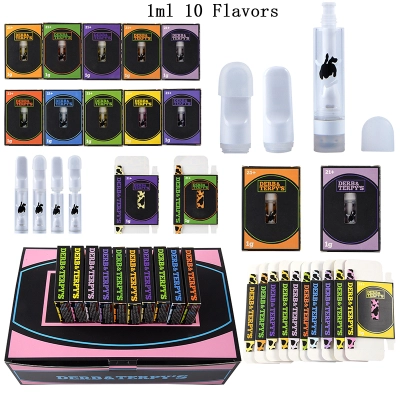
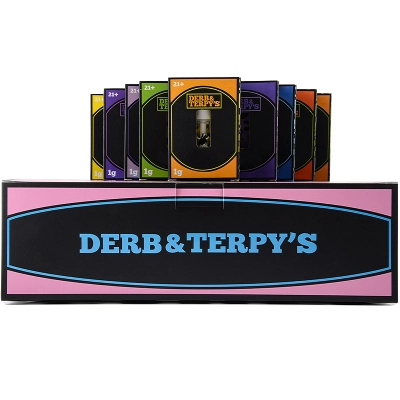
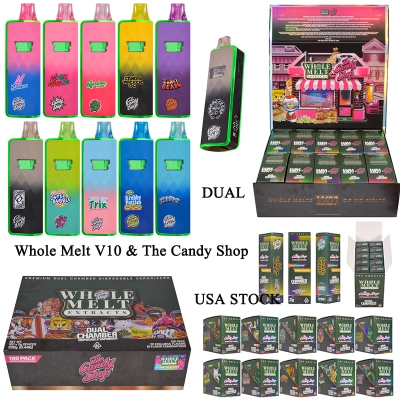
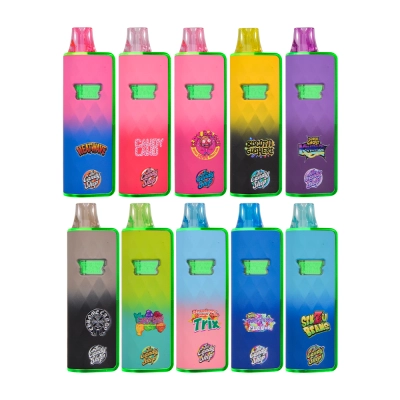
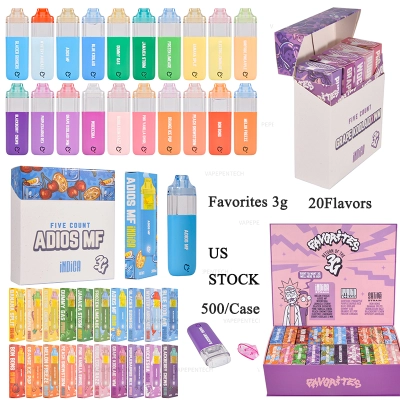
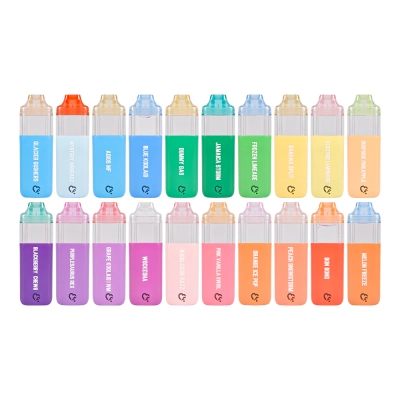
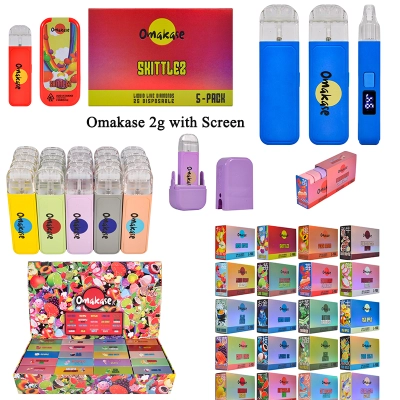
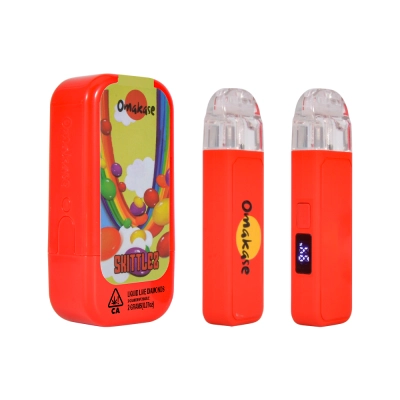
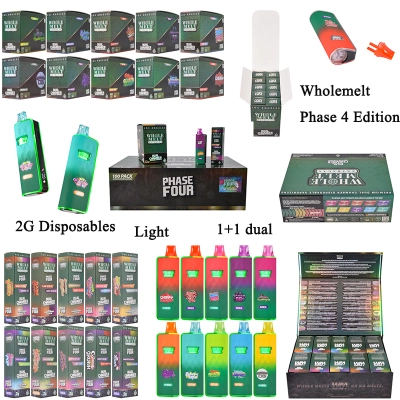
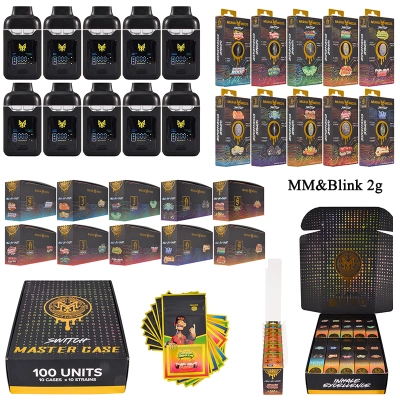
For wholesale customers, “Circle Cookies & Fried Banana 2G / 2ml / 10 flavors” should be framed as a hardware platform + SKU architecture, not a single device.
Core idea:
-
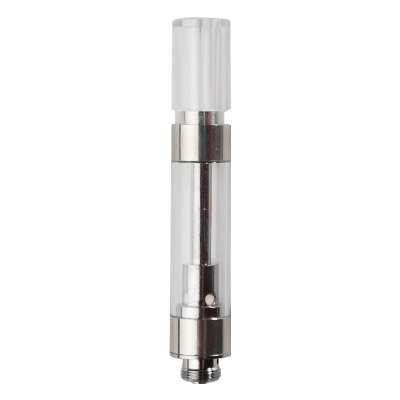
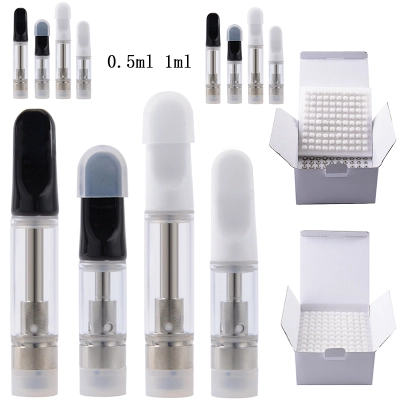
2ml (2G class) EMPTY disposable hardware (no contents included)
-
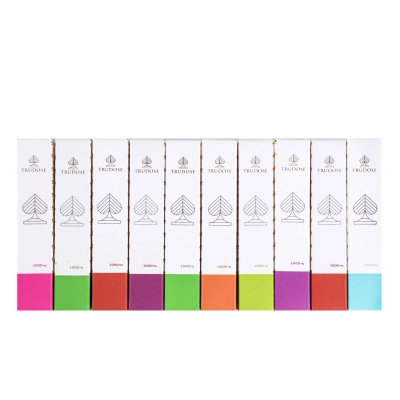
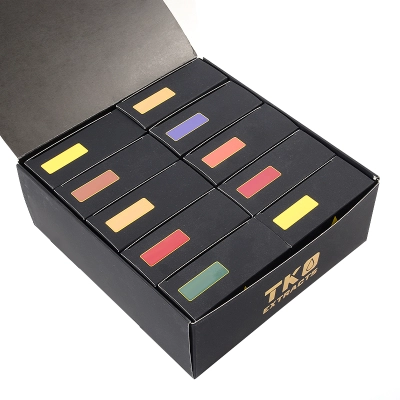
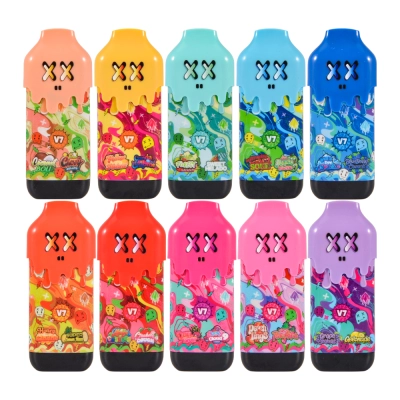
10 flavors = 10 packaging/SKU variants (labels, boxes, naming, colorways)
-
Circle Cookies and Fried Banana = anchor variants that establish the lineup’s “signature pairings”
This is important because buyers don’t just want something that looks good on a shelf. They want:
-
fewer SKUs to manage
-
predictable reorders
-
packaging that won’t trigger retailer concerns
-
documentation that reduces supply-chain friction
Why the 2ml format works for wholesale programs
A 2ml-class disposable platform often hits a practical “sweet spot” in B2B because it balances perceived value, shelf space, and assortment planning.
1) Retail economics without SKU explosion
A 2ml device is typically easy for retailers to position as a “mainline” option, while still leaving room for a premium tier in your catalog. For distributors, that means a higher chance the SKU becomes a reorder item, not a one-off.
2) More room for brand identity
Compared to ultra-small formats, 2ml devices allow:
-
clearer logo placement
-
stronger visual differentiation between variants
-
packaging that looks intentional rather than generic
3) Simpler inventory logic
With 10 variants, you can build a line that feels broad without becoming operationally messy—if you structure it correctly.
“10 flavors” needs a compliant, adult-coded meaning in 2026
Even when you’re selling empty hardware, flavor branding is a risk lever because it shapes how a line is perceived by retailers and regulators.
U.S. youth e-cigarette use dropped in 2024, but it’s still significant: 1.63 million middle and high school students reported current e-cigarette use (5.9%), and 87.6% of current youth users reported using flavored e-cigarettes.
That’s why the best B2B programs treat “10 flavors” as a SKU system, not “candy marketing.” The goal is to help adult retailers feel comfortable, not to create packaging that looks youth-directed.
A better 10-variant blueprint (example):
-
4 “Classic” profiles (adult, restrained naming)
-
3 “Fresh” profiles (clean “cool” identity, minimal novelty language)
-
3 “Seasonal/Limited” profiles (tight production runs; easy to rotate without overstock)
This approach also improves forecasting: you keep your core 7 stable and rotate the last 3 based on sell-through.
Why compliance language matters even for EMPTY hardware
In the U.S. nicotine market, FDA maintains an up-to-date list stating there are 41 e-cigarettes authorized by the FDA and that these are the only e-cigarettes that may be lawfully sold in the U.S.
Recent reporting also underscores that authorized products remain limited and are typically tobacco or menthol; Reuters noted FDA guidance changes and that only 41 products have been authorized so far.
Even if you sell empty pods/devices, your wholesale customers will still care about:
-
how you describe the product
-
whether packaging is “retailer-safe”
-
whether you can support traceability, QC, and documentation
-
whether you avoid youth-coded naming and visuals
Because when enforcement headlines hit, retailers tighten rules first—and wholesalers inherit the risk.
Sustainability pressure is not just a UK story
The U.K. moved to ban single-use vapes starting June 1, 2025, and government communications emphasized environmental impacts.
Even if you don’t sell in the UK, this signals something important for B2B strategy: markets are shifting toward rechargeable and more responsible hardware narratives.
Wholesale implication: If your 2ml platform is rechargeable (or can be offered in rechargeable variants), that positioning can reduce friction with larger retail accounts.
A TOFU message that builds trust (without overpromising)
For awareness-stage content around Circle Cookies & Fried Banana 2ml EMPTY vapes, keep the story clean:
-
demand exists in adult channels
-
enforcement is visible and disruptive
-
youth sensitivity is real, especially around flavors
-
therefore, the winning B2B approach is: hardware-only clarity + adult-coded SKU architecture + QC discipline
Closing thought: In 2026, a “good” device isn’t just one that sells—it's one that wholesalers can reorder confidently without waking up to compliance surprises.

0 Comments