
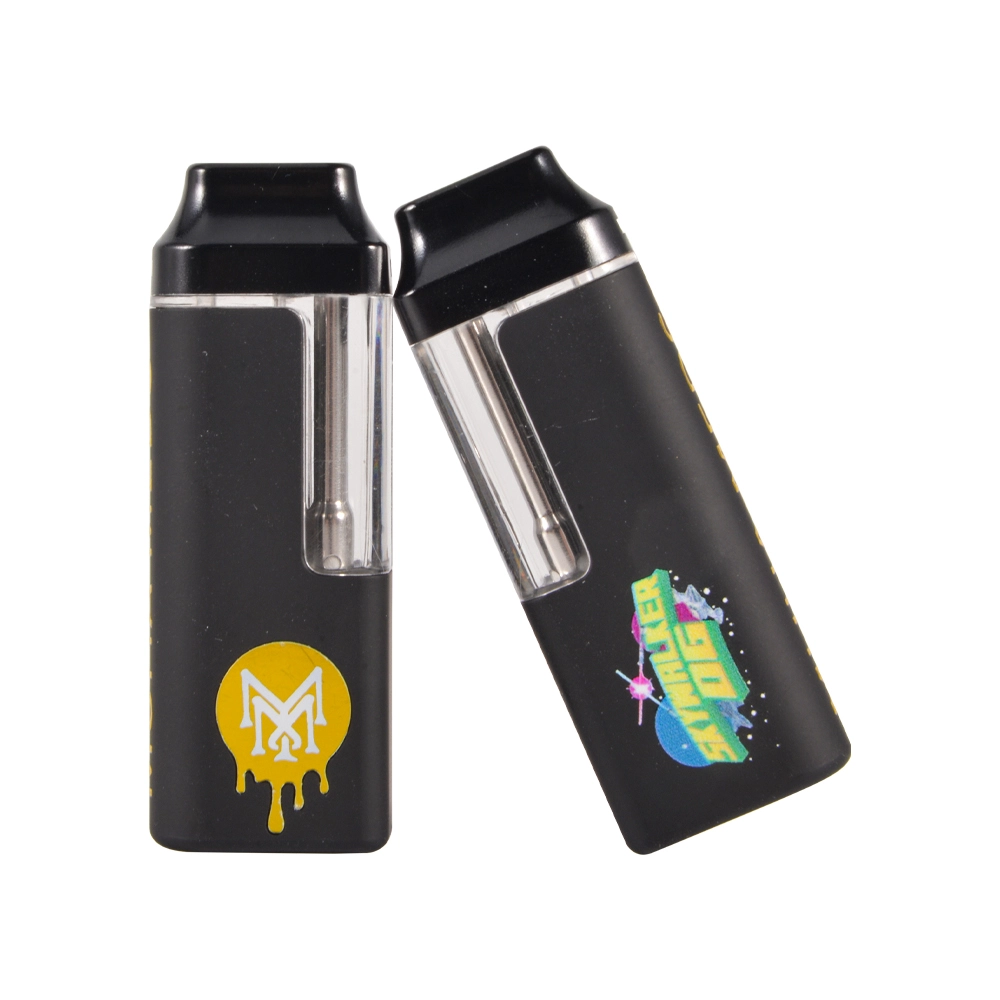
To legally and safely stock Muha Meds, I use only authorized muhameds wholesale channels, verify a Certificate of Analysis (COA) for every batch, and ensure state label compliance before anything reaches the shelf. QR codes are supplemental—they’re great for transparency, but most states still require mandatory information printed on the outer package. This plays across the entire Muha Meds portfolio: cartridges, disposables, flower, pre-rolls, gummies, and concentrates. Clear, compliant labels reduce confusion, support safe dosing, and prevent enforcement headaches (including required government warnings where applicable).
Key Takeaways
-
Buy from authorized distributors only. Confirm business/licensing details, insurance, and that they can provide lot-level documentation.
-
Verify every COA. Match the batch number, confirm test and collection dates, review potency and contaminant panels, and prefer labs accredited to ISO/IEC 17025.
-
Follow state labeling rules precisely. Required statements must be printed on the package; do not rely on QR alone.
muhameds Wholesale Channels
Identifying Authorized Distributors
I start by confirming the distributor is formally authorized to sell Muha Meds in my state. Then I run a short, repeatable vendor-due-diligence check:
-
Licensing & identity: State cannabis license, business license, tax ID, and proof of insurance.
-
Compliance history: Ask for recent inspection outcomes or enforcement notices; look for a clean track record.
-
Traceability: How lots map from master case → inner pack → unit, with barcodes or scannable IDs.
-
Documentation readiness: Per-lot COAs, label proofs aligned to my state’s checklist, and receiving specs (case counts, inner packaging, seals).
-
Responsiveness: Named contacts in sales, compliance, and logistics; SLAs for substitutions, credits, or recalls.
To keep my store audit-ready, I ask every supplier these five questions:
-
Can you trace every Muha Meds unit end-to-end (case to unit) and show the mapping?
-
Do you provide a genuine COA for each batch of carts, disposables, and other products?
-
Can you prove your labels meet my state’s rules (outer-panel content, placement, symbols, minimum type size)?
-
What’s your authenticity process for Muha Meds (e.g., Scratch · Scan · Match) and what does a “pass” look like?
-
What’s your recall/advisory playbook (quarantine, replacement lots, relabel timelines)?
I maintain lot-by-lot records (digital + paper). If a question, return, or advisory pops up, I can respond in minutes, not days.
Avoiding Counterfeits
Counterfeits exist in this category, so I treat unknown sources as high risk and institutionalize a 30-second authenticity demo at receiving and POS:
-
Scratch the security panel to reveal the unique code.
-
Scan the QR to open the verification view.
-
Match the code and confirm the batch details.
I also inspect tamper evidence, seals, and printing quality. QR helps, but it never replaces printed, state-required label elements. Before onboarding any lot, I check printed labels against my state’s checklist.
Tip: Don’t “trust the QR” alone. Always validate the printed outer-panel statements first, then use QR for added transparency.
muha meds Products & Compliance
Product Range Overview
I stock Muha Meds because the line spans multiple form factors and potency tiers that customers recognize:
-
Vape cartridges (distillate, live resin, “melted diamonds,” etc.)
-
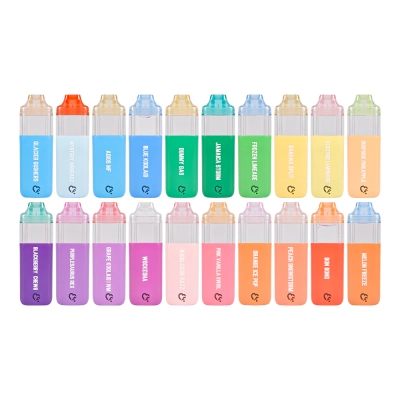
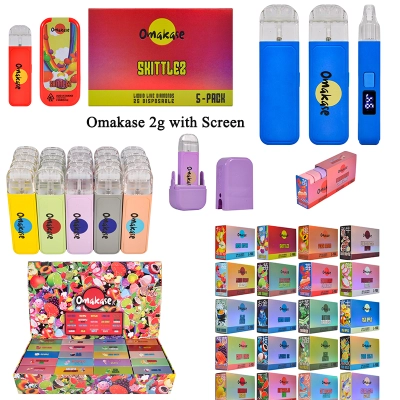
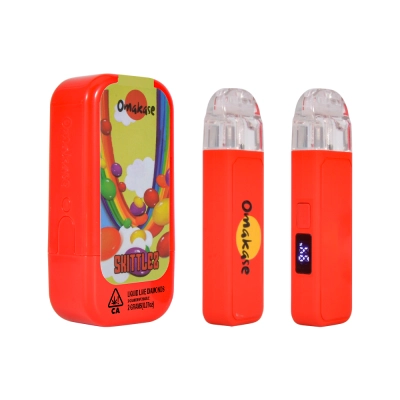
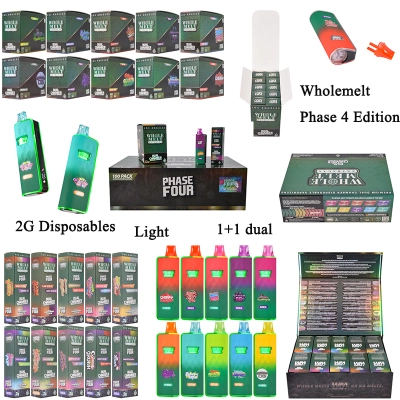
Disposables (commonly 1 g and 2 g; some markets offer additional formats)
-
Flower and pre-rolls
-
Gummies and other edibles
-
Concentrates (hash rosin, live resin, etc.)
For assortment planning I default to a 70/20/10 shelf mix: 70% core movers, 20% rotational/seasonal, ≤10% exploration—then rebalance after six weeks based on sell-through by format and flavor. Regardless of form factor, every SKU must pass the same COA and labeling checks.
muha meds Carts: COA Verification
I never shelf carts (or any high-potency product) without a valid, batch-matched COA. My quick screen:
-
Batch/lot match: The COA’s lot ID equals the ID on the carton/unit.
-
Dates present: Collection and test dates are present and recent.
-
Lab competence: The testing lab lists or can confirm ISO/IEC 17025 accreditation (a hallmark of method validation, instrument calibration, and audited quality systems).
-
Panels & potency: Potency claims align with the label; safety panels (e.g., heavy metals, residual solvents, microbials) show clear pass results.
-
Data integrity: Values are within reasonable ranges; formatting and sign-off look consistent.
My COA checklist for Muha Meds carts (and other Muha Meds products):
-
Match batch number to label and case.
-
Confirm test/collection dates and lab identity.
-
Prefer ISO/IEC 17025-accredited labs.
-
Review contaminant results (flag anything above limits).
-
Verify potency numbers for THC, CBD, and other cannabinoids.
Tip: I archive COAs for every batch (PDF + printed) and store them with purchasing, receiving notes, and label proofs. This makes inspections and customer questions fast and painless.
State Label Requirements
State rules differ, but the pillars are consistent everywhere:
California (DCC).
-
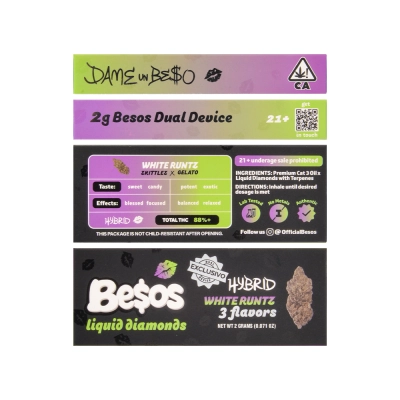
Outer-panel printing is mandatory for required statements; supplemental labels must be physically affixed.
-
Use English and meet minimum type-size requirements; include the California universal symbol, product identity/quantity, required warnings, license/UID info, and cannabinoid content.
-
QR codes are supplemental only; they don’t replace required printed statements.
Nevada (CCB).
-
Consumer-facing labels follow prescriptive rules for minimum font size, warnings, universal symbol usage, and specific disclosures by product type (e.g., potency metrics, run/lot info).
-
While edibles have extra rules (servings, allergen statements), the overall approach underscores clear, legible outer-panel content across categories.
Michigan (CRA).
-
Labels typically include producer/packager license information, unique IDs, potency, warnings, and testing information.
-
If a package isn’t compliant, expect to relabel or repackage before sale.
-
Keep proof sets (“label maps”) that show exactly where each required element lives on the primary and information panels.
Label Map habit: For each SKU, I mark where every required statement appears (panel/placement) and note font sizes. I file that proof with the batch COA.
Reinforce the need to use only authorized muhameds wholesale channels, verify every batch with a compliant COA, and ensure every Muha Meds product meets state label requirements. I run the sequence Receive → Verify → Label Check → Archive → Shelf for every lot to reduce relabeling, shorten time-to-shelf, and keep risk low.
Encourage implementation of the SOPs and checklists above: require per-lot COAs from competent labs, perform the Scratch · Scan · Match demo at receiving and POS, and maintain a COA binder (plus digital archive) for recent lots.
Suggest regular audits and staff training for ongoing readiness. Quarterly, I refresh label maps against current state rules, run short refreshers on COA reading and pass/fail criteria, and maintain a recall/advisory playbook for quarantine and replacements.
I keep onboarding steps simple and visible. Checklists live at receiving; label maps live in the COA binder; and POS scripts sit beside the scanners. That way, anyone on shift can complete intake correctly and explain verification to a customer with confidence.
Outcome
| Outcome | Description |
|---|---|
| Improved Financial Performance | Clean labels and verified lots move faster, reduce returns, and build trust. |
| Reduced Risk of Fines | Consistent audits, archives, and staff training lower compliance exposure. |
FAQ
How do I verify a batch of Muha Meds products?
Open the batch COA, match the lot ID to the carton/unit, confirm test dates and the lab’s identity, review potency and safety panels, and prefer ISO/IEC 17025-accredited labs. If the product supports two-step authenticity (QR + hidden code), complete the Scratch · Scan · Match flow and archive a pass screenshot.
What should I do if a Muha Meds label is missing required information?
Do not place it on the shelf. Request corrected label proofs aligned to your state’s checklist and hold the lot until compliant labels are attached. If a bulletin requires changes, quarantine the batch and follow the distributor’s relabel or replacement process.
Can I use QR codes instead of printed labels for compliance?
No. QR codes add transparency (e.g., detailed batch info, COAs) but do not replace mandatory printed statements. Always ensure the printed outer-panel content meets your state requirements before sale.
Bottom line: Authorized channels + per-batch COAs from competent labs + state-ready labels = faster onboarding, cleaner audits, safer shelves—and a smoother path from consideration to purchase for Muha Meds.
If you wanna know more details, pls go to these pages: wholesale muha meds, custom muha meds disposable, muha meds disposables 2 gram.

0 Comments