
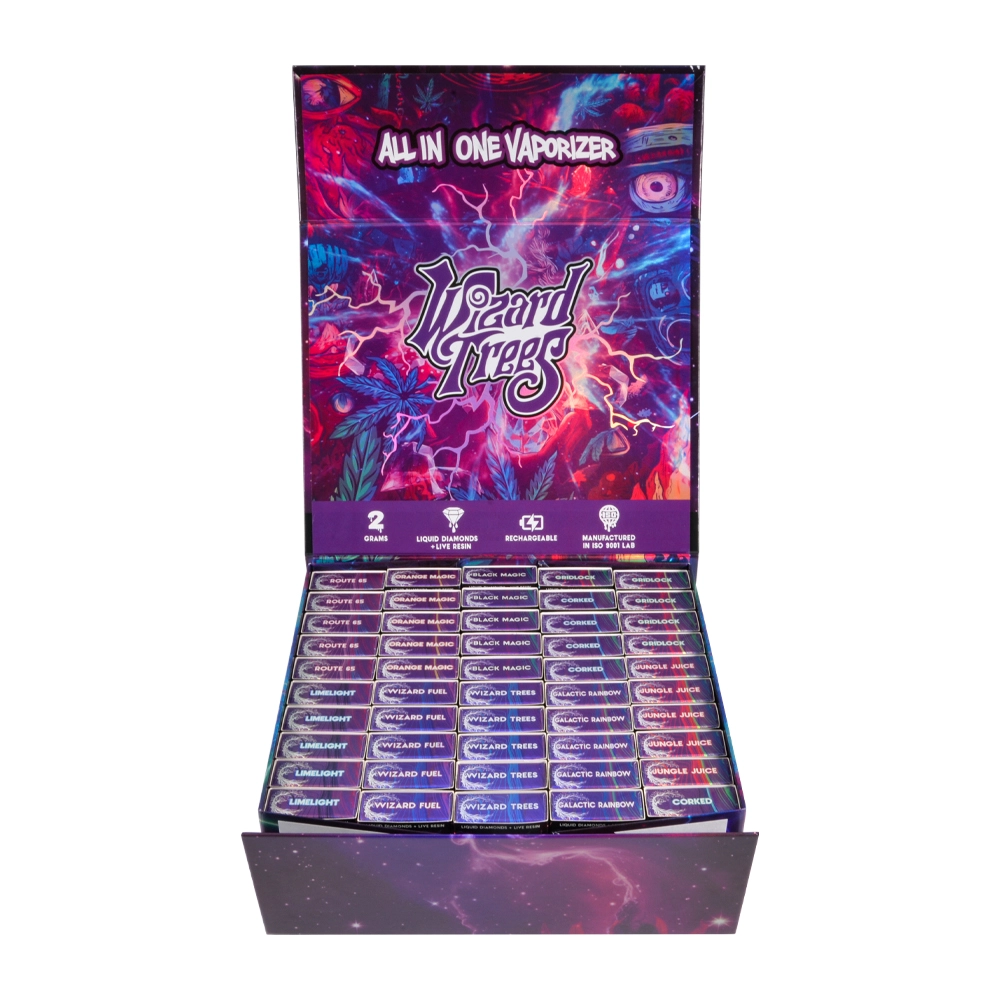
At the bottom of the funnel, buyers are no longer asking whether empty pods are strategically interesting. They already know that. They are no longer comparing the broad idea of reusable versus disposable. They are now deciding whether to place an order, request final samples, or move to contract terms.
This is where the buying decision becomes operational.
In 2026, a B2B purchase decision in this category should be based on one simple principle: buy the platform you can continue to sell, not just the one you can buy today. That sounds obvious, but it has become more important as regulation has tightened. The UK has already banned single-use vapes from 1 June 2025 while allowing reusable products, the EU continues to anchor key consumer e-cigarette rules around 2ml format limits, and FDA says only 41 e-cigarettes are currently authorized for lawful sale in the U.S. In other words, the commercial cost of choosing the wrong format is higher than it used to be.
So before you place a purchase order for an empty pod platform, confirm these seven points.
First, confirm the exact business model. Are you buying for distribution, private label, contract filling, or multi-country resale? This matters because the same pod may be technically acceptable for all four, but commercially optimal for only one of them. A distributor may prioritize stable repeat performance. A private-label brand may need packaging flexibility. A contract filler may care most about line compatibility and fill speed. A cross-border reseller may prioritize documentation and format standardization.
Second, confirm the destination markets before finalizing hardware. Do not buy first and ask compliance questions later. If your roadmap includes Europe, a 2ml empty pod can reduce friction because it aligns with a major existing market norm. If your roadmap includes the UK, reusable logic matters even more after the disposable ban. If your roadmap includes the U.S., you need a more conservative risk review because lawful marketability is heavily constrained and enforcement against unauthorized products is real. Your PO should reflect where you plan to sell, not where the factory is located.
Third, confirm sample approval standards in writing. Too many wholesale purchases fail because the buyer and supplier both say “approved,” but they mean different things. Before you place the PO, define what counts as an acceptable leakage rate, fit tolerance, cosmetic defect threshold, and packaging variance. Define whether approval is based on one pilot sample or a repeatable batch standard. If you do not write that down, you are not managing quality. You are borrowing trouble.
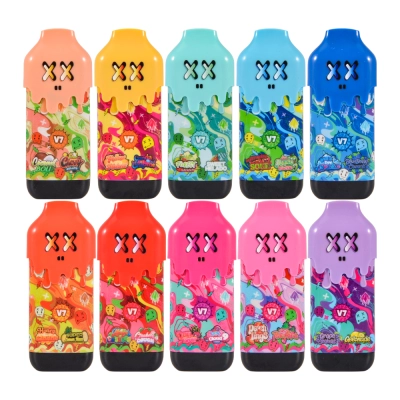
Fourth, confirm how your 10-SKU flavor plan will actually operate. An empty pod is empty. That sounds obvious, but buyers still make the mistake of thinking in finished-product language. The better approach is to define one hardware platform, then validate whether it supports the full liquid program you intend to run. Ask yourself: can this pod manage the viscosity range across my flavor line? Can it support the same filling process across ten SKUs? Can I keep the same outer carton architecture while localizing warnings and labels? A good BOFU decision is not “Can this hold 10 flavors?” It is “Can this hardware support my 10-SKU launch without creating extra supply-chain complexity?”
Fifth, confirm documentation and after-sales support. WHO has warned that regulatory approaches vary widely across countries, and that many markets still have weak or fragmented controls. That means importers and wholesalers often carry more practical compliance burden than they expected. Before you place the order, confirm exactly what specifications, declarations, packaging files, and technical support materials the supplier will provide after shipment, not just before payment.
Sixth, confirm lead time, replenishment logic, and change-control procedures. Ask what happens if a material changes. Ask whether the mouthpiece, seal, or internal structure can be altered without prior notice. Ask how repeat orders are matched to first-order specs. Your first order is rarely where profit is won or lost. Your repeat orders are.
Seventh, confirm responsible market positioning. CDC/FDA data still show 1.63 million U.S. youth used e-cigarettes in 2024, and WHO continues to warn about youth appeal, flavors, and inconsistent regulation across countries. That means your commercial documents, packaging concepts, and retail guidance should all be clearly adult-focused. Serious suppliers understand this and will support cleaner, more professional positioning. Weak suppliers will only push whatever looks flashy. In the current environment, that difference matters.
Once you confirm those seven points, the purchase decision becomes much clearer.
You are not buying an empty pod because it is fashionable.
You are buying it because it can do three things at the same time:
It can give you a reusable format that is more aligned with where major markets are heading.
It can support a multi-flavor business without forcing you to manage ten separate hardware problems.
And it can help you build a more defensible B2B offer built on consistency, not short-term hype.
That is the real BOFU logic.
At this stage, the best supplier is rarely the one with the most aggressive quote on page one. The best supplier is the one who helps you reduce failure after the PO is signed. They help you keep the same platform across reorders. They support the paperwork you need when customers ask questions. They understand the difference between adult-market commercialization and careless product promotion. And they know that the future of this category belongs to buyers who think in systems.
If your next step is a wholesale order, do not ask only for price.
Ask for repeatability.
Ask for compatibility.
Ask for documentation.
Ask for change control.
Ask for market fit.
Because that is how professional B2B buyers turn an empty pod into a real product line.
If u wanna more details, pls go to these pages: disposable vape, 2g disposable,Wizard Trees Disposables




0 Comments