
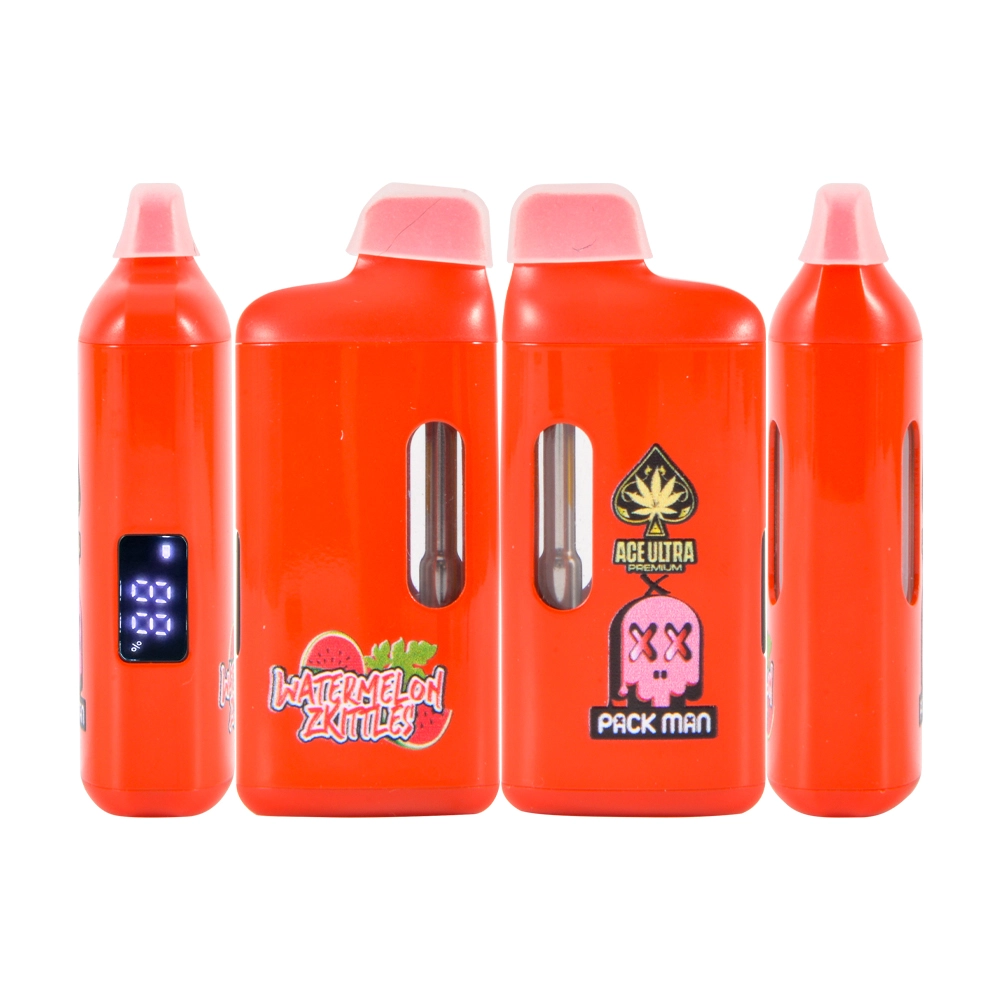
For retailers comparing mid-funnel options, the Ace Ultra Premium × Packman pairing stands out for three reasons: recognizable branding, consistent verification workflows, and packaging that’s designed to meet typical state labeling rules. Below is a practical guide you can hand to your team to validate stock, build an assortment, and operationalize compliance without guesswork.
Why this duo converts
Brand pull + proof. Shoppers recognize the names; staff can prove authenticity in seconds using a scratch-to-reveal code plus QR verification and a batch Certificate of Analysis (COA). When authenticity is visible at the counter, returns drop and first-time buyers convert faster.
Assortment breadth. Ace Ultra Premium × Packman typically covers multiple formats (e.g., 1 g/2 g disposables, 1 g/2 g carts) and a mix of classic and seasonal flavor/strain profiles. That lets you build good/better/best price tiers and a rotating “new this month” shelf without bloating inventory.
Compliance readiness. Most U.S. state cannabis regulators require specific outer-label elements (warnings, universal symbols, cannabinoid content, lot/batch IDs, dates, and minimum font sizes). This pairing is commonly packaged with those needs in mind, which helps you move from receiving to shelf with fewer relabels.
Exactly how to verify (trainable in five minutes)
Use this three-step SOP for every incoming lot and any customer who asks, “How do I know it’s real?”:
-
Sticker check: Locate the authenticity sticker; confirm it is intact and unique (no duplicate or damaged stickers).
-
Scratch + scan: Scratch to reveal the code, scan the QR, and confirm the code match on the verification page.
-
COA match: Open the batch COA and ensure the lot/batch identifiers align with what’s printed on your case and unit labels.
What “good” looks like on a COA:
-
The lab explicitly identifies the sample and batch; collection or test dates are present and recent.
-
Potency plus safety panels (e.g., heavy metals, residual solvents, microbials) are reported with methods and pass/fail criteria.
-
The lab states accreditation to ISO/IEC 17025, the international competence standard for testing laboratories.
Train staff to perform a live demo at POS in under 30 seconds. The ritual itself—scratch, scan, match—becomes part of your store’s promise.
Packaging & labeling: pass inspection the first time
While details vary by state, the consistent themes are:
-
Outer-panel required text: health warnings, universal symbols, and key product facts must be printed on the outer package, not only accessible by QR.
-
Minimum type sizes: warnings and certain statements must meet size thresholds; fine print that’s too small is a common cause of hold-backs.
-
Lot traceability: lot/batch numbers on the carton and unit should tie back to the COA; mismatches are red flags.
-
Child-resistant and opaque packaging (where required): verify claims with supplier documentation during intake.
Operational tip: Build a one-page “label proof map” per SKU showing exactly where each required statement appears (front, principal display panel, side panel). Keep it with the COA in your batch folder. Audits go faster when you can point to the requirement and its location in seconds.
Assortment planning: how to stock for velocity
A MOFU buyer’s job is to balance immediate conversion with long-term loyalty. Structure your shelf like this:
-
Core movers (≈70%) – Mainstream formats and flavors: 2 g disposables for convenience and run time; 1 g carts for compatibility with popular batteries. These SKUs anchor bundles and weekly promos.
-
Rotational hype (≈20%) – Limited runs, seasonal flavors, and collabs. Use them to energize email/SMS and loyalty segments with first-access windows.
-
Exploration (≤10%) – Boutique or experimental profiles to test local preferences without over-committing working capital.
Bundle ideas:
-
Starter pair (device + cart) to raise attachment rate on batteries.
-
Two-format trial (1 g cart + 2 g disposable) to discover preference without discounting heavily.
-
Flavor flights (three strains/flavors) at a small per-unit savings to lift basket size.
Measure sell-through by format and flavor weekly for the first 6 weeks, then rebalance POs toward proven winners.
Your intake workflow (copy/paste to your SOP)
Receive → Verify → Label Check → Archive → Shelf
-
Receive: Scan master cases into inventory; sample at least two units per lot for verification.
-
Verify: Perform the scratch-and-scan; confirm code match and view the batch page.
-
Label check: Confirm warnings, symbols, cannabinoid claims, type sizes, and lot/batch alignment with the COA.
-
Archive: Save the COA (PDF) to a shared drive and print a hard copy. File by brand → SKU → lot.
-
Shelf: Only place verified, label-correct units on the floor. Quarantine exceptions for supplier resolution.
Post this flow at receiving and at the back-office desk where COAs are filed.
Questions to ask your wholesaler (verbatim)
-
Traceability: “How do lot numbers map from master case to unit, and how should I read your case labels?”
-
COA & lab: “Please provide the batch COA and confirm the testing lab’s accreditation to ISO/IEC 17025.”
-
Label readiness: “Do your labels meet current requirements in my state (warnings, symbol, font sizes, outer-panel placement)?”
-
Verification: “What does a ‘pass’ screen look like after scratch-and-scan? How do I spot a mismatch?”
-
Issue response: “If an advisory or labeling update hits, what’s the process for substitute lots or credits, and how quickly can you turn them?”
Document the answers and attach them to your vendor record.
Risk controls you can implement this week
-
FOH authenticity card: A small counter sign—“Scratch · Scan · Match · COA on file”—invites customers to ask and positions your staff as guides.
-
Back-office binder: Keep printed COAs for the last 3–6 months of lots; auditors like paper at hand even if you maintain digital archives.
-
Quarterly label audit: Review your top 20 SKUs against current state rules; agencies update guidance, and proactive checks prevent rework.
-
POS tags: Add a product flag like “Batch Verified / COA Archived” so staff can see verification status during checkout.
KPIs to watch after onboarding
-
Sell-through by format (2 g disposables vs. 1 g carts): shift budget to the formats that move in your market.
-
Return rate & reason codes: authenticity-related returns should trend down once the demo becomes routine.
-
COA completeness rate: target 100% of lots with COAs from competent labs before shelf placement.
-
Label exceptions: aim for zero units quarantined for labeling gaps after intake checks.
-
Loyalty participation: monitor sign-ups tied to limited runs and first-access offers; adjust incentives based on uptake.
Bottom line (your MOFU take-home)
Wholesale Ace Ultra Premium × Packman converts because it mixes brand recognition with proof you can show: instant authenticity checks, batch-level COAs from competent labs, and packaging that aligns with common state rules. If you institutionalize those three pillars through SOPs and staff training, you’ll see faster turns, fewer returns, cleaner audits, and repeat visits from customers who now understand—visibly—what quality looks like.
Seven-day rollout plan:
-
Train every associate on the three-step verification demo and practice until it’s under 30 seconds.
-
Build a one-page intake checklist and walk your current inventory through it.
-
File COAs by lot, both digitally and in a printed binder.
-
Re-merchandise to a 70/20/10 shelf mix and tag verified lots in POS.
-
Add a counter card explaining the verification ritual.
-
Launch a loyalty “first access” window for the next limited run.
-
Schedule a quarterly label audit on your calendar and assign an owner.
When authenticity and safety are easy to see—and when your paperwork is always in order—you stop selling on price and start selling on trust. That’s the MOFU advantage of Ace Ultra Premium × Packman.


0 Comments