
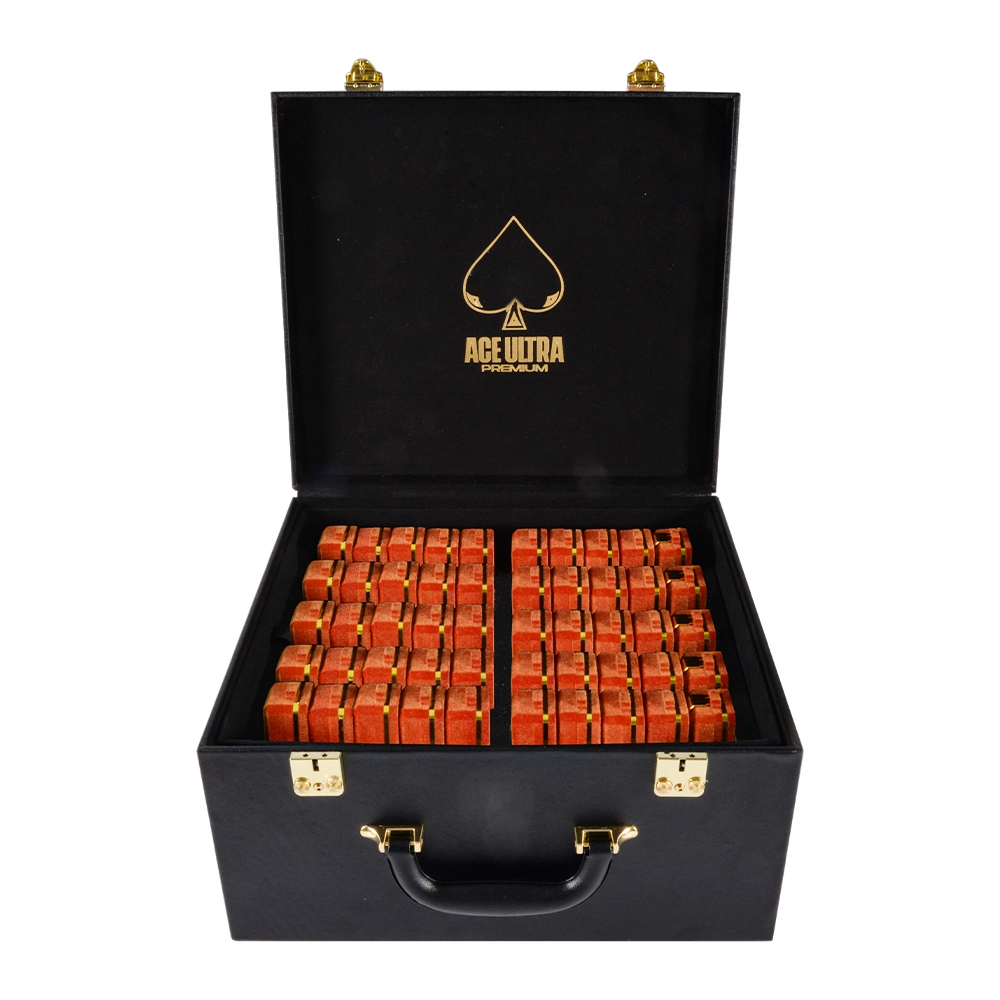
Buy Ace 1g only from authorized sellers, and insist on the full compliance pack before you pay. That means UL 8139 (Edition 2, 2024) for e-vapor device electrical/battery/charging safety, a UN 38.3 Test Summary for any lithium cell in transport, a RoHS materials declaration, and state-mandated printed labels on the outer package. Treat QR codes as transparency tools—they are helpful but do not replace required printed information.
-
Make sure the supplier is authorized and traceable.
-
Verify authenticity at unit level.
-
Obtain a batch-specific COA from an accredited lab.
-
Meet state labeling rules to the letter.
Counterfeits are a real, ongoing risk. Verify every batch and every supplier, capture documentation, cross-match batch and packaging, and run a 5-step intake SOP. That keeps your wholesale Ace 1g orders legal, safe, and shelf-ready.
Key Takeaways
-
Authorized only. Confirm brand authorization in writing and get named contacts for sales, logistics, and compliance.
-
Authenticate, then accept. Run a simple Scratch–Scan–Match routine and batch-match against packaging and COA.
-
SOP beats guesswork. A visible, repeatable receiving SOP is the fastest way to avoid returns, recalls, and fines.
Wholesale Ace 1g Essentials
A compliant, high-performing Ace 1g device should include: 1 g (1000 mg) net fill, a ceramic heater sized for viscous oils, anti-clog geometry, a visible oil window, USB-C recharge with basic protections, child-resistant/tamper-evident packaging, and state-compliant printed label panels. Your document pack should cover: UL 8139 Ed.2, UN 38.3 Test Summary (if a cell is present), RoHS declaration, batch COA from an ISO/IEC 17025-accredited lab, and state label proofs for your markets.
Supplier Authorization
Request a signed authorization letter that names both parties, defines scope (SKUs/territory), effective dates, and provides a signature block from the brand. Require a traceability map (master case → inner pack → unit) and a recall/advisory SOP with quarantine and replacement timelines. If a seller cannot deliver this before payment, treat the quote as incomplete.
Ask for:
-
Proof of authorization (letter or agreement)
-
Named compliance contact(s)
-
Traceability mapping on packaging and packing lists
-
Recall workflow and service-level commitments
Product Authenticity
Run Scratch–Scan–Match on inbound samples and screenshot the pass screen. Cross-check the serial/batch/date on the package and COA. Inspect packaging quality: sharp print, correct universal symbols, intact tamper evidence, no typos or misaligned foils. Any mismatch triggers quarantine and escalation. Keep a simple authenticity log (who checked, when, result, photos).
Authentic indicators: tamper-evident seals, legible batch/lot, consistent fonts and colors, functional QR tied to batch data.
Counterfeit signals: blurry print, spelling errors, broken seals, QR leading to non-official pages or recycled data.
COA and Lab Reports
Every lot of Ace 1g requires a batch-specific COA from an ISO/IEC 17025-accredited laboratory. Verify:
-
Identification: product name, batch/lot, sample date.
-
Potency panel: THC/CBD and other cannabinoids.
-
Safety panel: heavy metals, residual solvents, microbials (and any state-required extras).
-
Method & dates: method notes and analysis dates that align with the batch.
-
Sign-off: authorized reviewer or quality manager.
Batch-match rule: COA batch ID ↔ outer label batch/lot ↔ inbound paperwork. If any leg doesn’t match, hold the lot.
Compliance, Pricing, and SOPs
Compliance first, then price. Normalize competing quotes by spec + documents (same capacity, same UL 8139/UN 38.3/RoHS evidence, same COA credibility, same label readiness). Only after that do unit prices, MOQs, and lead times make sense.
Bake protections into your purchase order:
-
Defect threshold & remedy (e.g., ≤1–2%; above that, unit-for-unit replacement or RMA).
-
Evidence pack (photos/video, lot/serial, intake worksheet).
-
Decision SLA (e.g., five business days).
-
Backstop (credit memo if SLA lapses).
-
Relabel support if state rules update mid-cycle.
State Labeling Rules
-
California (DCC): Required identity/quantity, warnings, universal symbol, license/UID references, and cannabinoid statements must be printed on the outer layer. Supplemental labels must be physically affixed. QR codes do not replace mandatory printed text.
-
Nevada (CCB Reg. 12): Consumer-facing labels must be at least 8-point and not italic, with prescriptive product wording where applicable.
-
Michigan (CRA): Non-compliant packages may require relabel/repackage before retail.
-
Prop 65 (CA): Where applicable, cannabis smoke and Δ9-THC warnings apply in addition to cannabis-specific labeling.
Treat these as floor requirements—never as optional.
Pricing and MOQ
Expect different MOQ tiers for in-stock vs. custom finishes. Typical patterns:
-
In-stock SKUs: MOQ ~100–200 units per flavor/variant; shorter lead times.
-
Light customization/branding: MOQ ~1,000–2,000; moderate lead times.
-
New electronics/deep custom: longer lead times to complete safety/transport paperwork.
Price the fully compliant landed cost (hardware + documents + labeling + freight), not the shell alone. If you pursue promos, lock them with a dated PO—case breaks, mix-and-match bundles, POS credits, or freight relief.
Receiving and Intake SOP
Use one loop, every time: Receive → Verify → Label Check → Archive → Shelf
-
Receive: count and condition check (crushed corners, broken seals).
-
Verify: run Scratch–Scan–Match on samples; screenshot pass; quarantine any mismatches.
-
Label Check: confirm required printed statements for your state(s)—universal symbol, warnings, license/UID, cannabinoid statements, minimum fonts. QR = supplemental only.
-
Functional spot-check: quick draw test; brief temperature swing to observe leaks; short USB-C charge test if applicable.
-
Archive: file UL 8139, UN 38.3, RoHS, COAs, label proofs in a shared folder + physical binder; tag the lot in POS/ERP.
-
Shelf: only green-tag (pass) lots go to sales; red-tag exceptions remain on hold.
Publish this SOP at receiving and train every shift.
Fake Product Red Flags
-
Prices far below market or documents “coming later.”
-
COA doesn’t batch-match packaging or paperwork.
-
Blurry print, wrong fonts/colors, or missing warnings/symbols; italicized consumer text where it’s not allowed.
-
QR that resolves to non-official or recycled pages; tamper seals disturbed.
-
Missing UN 38.3 Test Summary (battery devices) or UL 8139 evidence tied to the exact model.
If any red flag appears, stop, isolate, and escalate.
Recap (Turn This Into Your Checklist)
-
Verify authorization and traceability before price talks.
-
Demand the full pack: UL 8139 (2024, Ed.2), UN 38.3 Test Summary, RoHS, batch COA (ISO/IEC 17025), state label proofs.
-
Run the intake SOP on every lot; only stock green-tagged, label-correct units.
-
Sustain compliance with quarterly label/document audits and recurring staff training on authenticity checks and COA quick-reads.
Use these steps every time you purchase Ace 1g wholesale. That’s how you keep operations legal, safe, and efficient—from PO to shelf.

0 Comments