
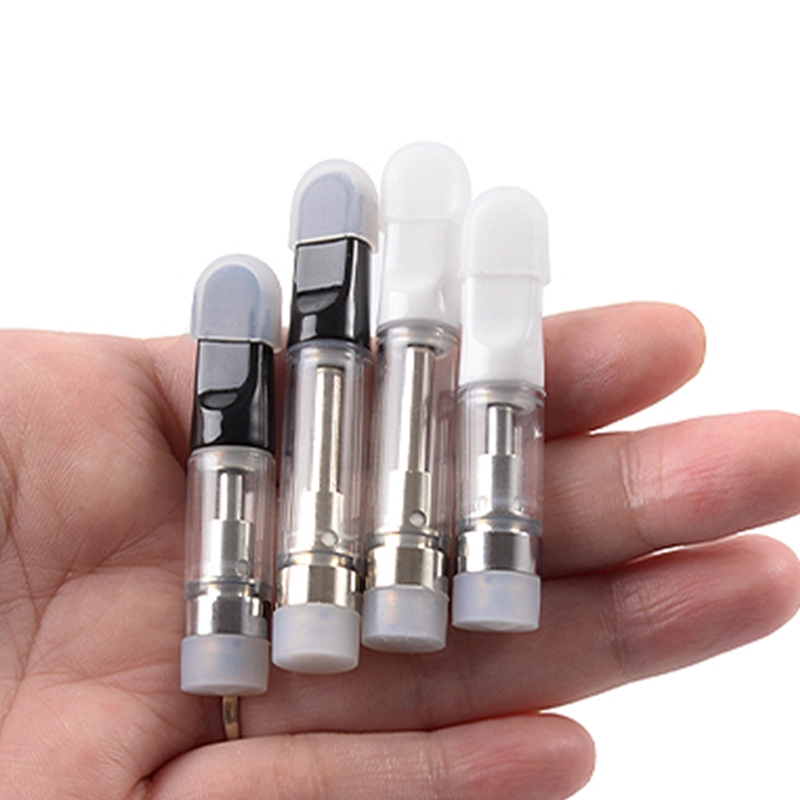
Why it’s called “510”
You’ll hear two explanations:
-
Thread geometry shorthand. Many guides explain “510” as “ten 0.5 mm threads,” i.e., a 0.5 mm pitch on a ~7 mm connector.
-
Legacy model naming. Early e-cigs used family codes like 510/808; the “510” connector won out and became the common interface.
Whichever origin you prefer, the modern meaning is practical: if both sides are truly 510, they’re intended to fit together.
The 510 interface, clearly defined
When people say “a 510 cart,” they usually mean both:
-
The mechanical screw thread (cart male → battery female, M7×0.5), and
-
The electrical contact (the cart’s center pin touches a spring-loaded contact in the battery).
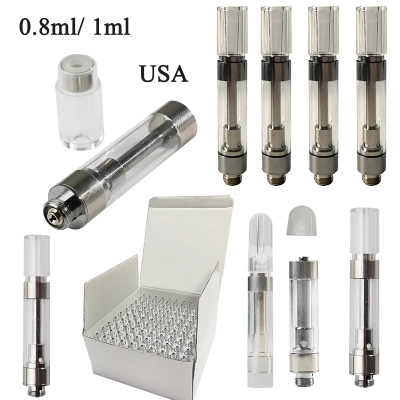
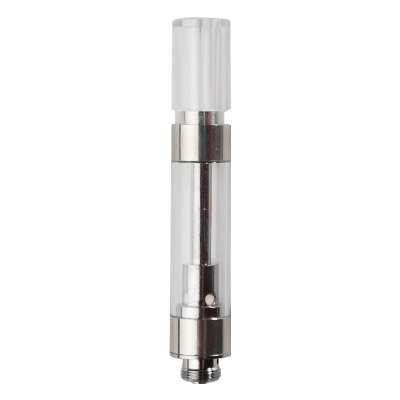
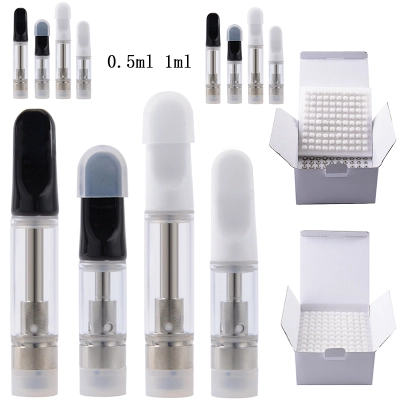
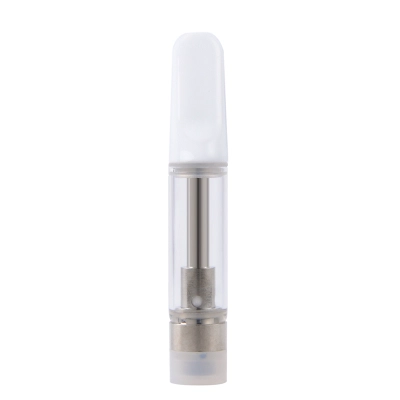
A typical stick battery has a female 510 well; the cartridge base has the male threaded stem with an insulated center pin. Tighten finger-snug only—overtightening can crush insulators or deform pins.
What is and isn’t compatible
Commonly compatible with 510
-
Pre-filled oil cartridges (often 0.5 g or 1.0 g by mass)
-
Refillable oil cartridges with ceramic cores
-
Some wax/dab atomizers and specialty 510 attachments designed for concentrates
Usually not compatible without adapters
-
Proprietary pod systems that use magnetic clicks or unique latches
-
Non-standard connectors or 510 devices expecting very different power ranges (e.g., high-watt box mods) that can overpower tiny oil carts
Beginner-friendly benefits
-
One battery, many carts. Buy a reputable 510 battery once; try different brands and strains without rebuying hardware every time.
-
Hardware variety. From slim pens to thumb-sized 510 mini-mods with battery meters and adjustable voltage, you can tailor size and controls to your taste.
-
Easy troubleshooting. If a cart misbehaves, swap batteries; if the issue follows the cart, you’ve isolated the problem.
When “universal” isn’t universal
-
Loose tolerances. Poorly machined clones can wobble or bind; threads should start smoothly and seat flush without force.
-
Center-pin height. If a cart sits too low, the center contact may not touch. A gentle nudge of the battery’s spring pin (or using a thin 510 spacer) can restore contact—avoid prying.
-
Different airflow and power needs. Thick oils prefer lower voltage and sometimes preheat; wax coils may require higher power. Both can be 510 yet demand different settings.
Specs that actually matter (beyond the thread)
-
Voltage / power. Many oil carts are happiest around 2.2–3.2 V with short puffs; push higher cautiously.
-
Coil & wick. Modern carts typically use porous ceramic with a micro-heater. Ceramic density and intake-port size affect wicking and flavor.
-
Preheat. A one-second preheat can thin viscous oil for smoother starts. Avoid repeated long preheats that can flood or overcook.
-
Battery capacity & charging. Pocket pens trade runtime for size. USB-C charging is convenient; always use a quality cable and avoid damaged adapters.
-
Airflow design. Some carts are restricted (mouth-to-lung feel); others are more open. Match draw style to your preference.
(These are usability tips, not medical statements.)
Safe use and travel basics (2025)
-
Age & legality. Use only if you’re of legal age in your jurisdiction, and buy from lawful channels.
-
Carry-on only for flights. E-cigarettes and vape batteries must go in carry-on baggage or on your person—never in checked luggage. Turn devices off and protect from accidental activation.
-
Battery common sense. Avoid crushed, swollen, or wet devices. Keep contacts clean and dry. Do not modify or bypass protections.
-
Shipping & documentation (for businesses). Lithium cells used in consumer devices are expected to meet standard design tests; sellers typically maintain a Test Summary for the battery model. As a retail buyer you won’t need it for personal use, but it matters for logistics and wholesale.
Common beginner mistakes (and quick fixes)
-
Overpowering the cart
-
Symptom: harsh/burnt taste.
-
Fix: drop voltage; take shorter puffs; let the cart rest.
-
-
Chain-hitting a cold cart
-
Symptom: gurgle, spitback, flooding.
-
Fix: brief preheat, then short draws with 60–90 s between puffs.
-
-
Dirty 510 contacts
-
Symptom: intermittent firing or weak hits.
-
Fix: wipe the battery pin and cart base with a dry swab; if oily, barely dampen with 70% isopropyl and allow to fully dry.
-
-
Pocket-leaks in hot cars
-
Symptom: seepage through intake ports or chimney.
-
Fix: store upright, avoid heat/sun, use a tip cover for travel.
-
How to choose your first 510 setup
Step 1 — Pick the cartridge type
-
Pre-filled oil cart: simplest path; look for clear labeling and a batch lab report via QR on the package.
-
Refillable cart: more control over contents; mind viscosity and filling method.
-
Wax/dab 510 atomizer: for concentrates; confirm your battery can supply the recommended power.
Step 2 — Pick the battery
-
Entry-level: slim variable-voltage pen (color-coded levels; triple-click to change).
-
Compact box style: adds a battery meter and finer voltage control in a tiny form factor.
-
Feature-rich: look for preheat, USB-C, and pass-through charging if you value convenience.
Step 3 — Match power to material
-
Oils: begin low (around 2.2–2.8 V), test flavor, then adjust up in tiny steps.
-
Wax: follow the atomizer’s guidance; start at the bottom of its range.
Use cases (what 510 is great for)
-
Discreet daily carry: a slim pen plus a 1.0 g cart—pocketable and quick to use.
-
Flavor exploration: one battery, multiple carts from different producers—swap freely to compare profiles.
-
Cold-weather reliability: device with preheat and a cart with larger intake ports to help thick oils wick.
-
Desk companion: mini 510 box with a battery meter to avoid judging a flavor on a near-empty cell.
Quick travel checklist for 510 users
-
Devices and spare batteries in carry-on only; keep them powered off.
-
Use protective caps/cases to prevent accidental firing and lint buildup in the mouthpiece.
-
Avoid extreme temperatures; don’t leave devices in parked cars.
-
If you’re carrying multiple carts, store them upright in a small pouch with labels facing out so you can read them without handling.
FAQ
Is every “510” automatically compatible?
Mechanically, genuine 510 parts are designed to mate (M7×0.5). Performance can still differ due to airflow, coil design, and power expectations—start low and adjust.
Why do some pens have two thread rings?
The inner female is often the real 510. The outer ring may be aesthetic or for accessories. Always thread the cart into the inner, deeper well.
Can I use a high-power box mod with a tiny oil cart?
Only at very low power. Many large mods can deliver far more wattage than small oil carts can handle; set conservative limits if you try it.
How tight should I screw a cart in?
Finger-snug—stop as soon as you feel the contact made and the cart seated. Overtightening can crush the center pin insulator.
Bottom line
510 thread is the common language of vape hardware—the M7×0.5 connector and center-pin contact that let most carts and batteries play nicely. Choose a reputable 510 battery, start at low voltage, keep contacts clean, store carts upright, and follow basic travel rules. Do that, and you’ll get the mix-and-match flexibility that made 510 the everyday standard—without the common headaches.







0 Comments