
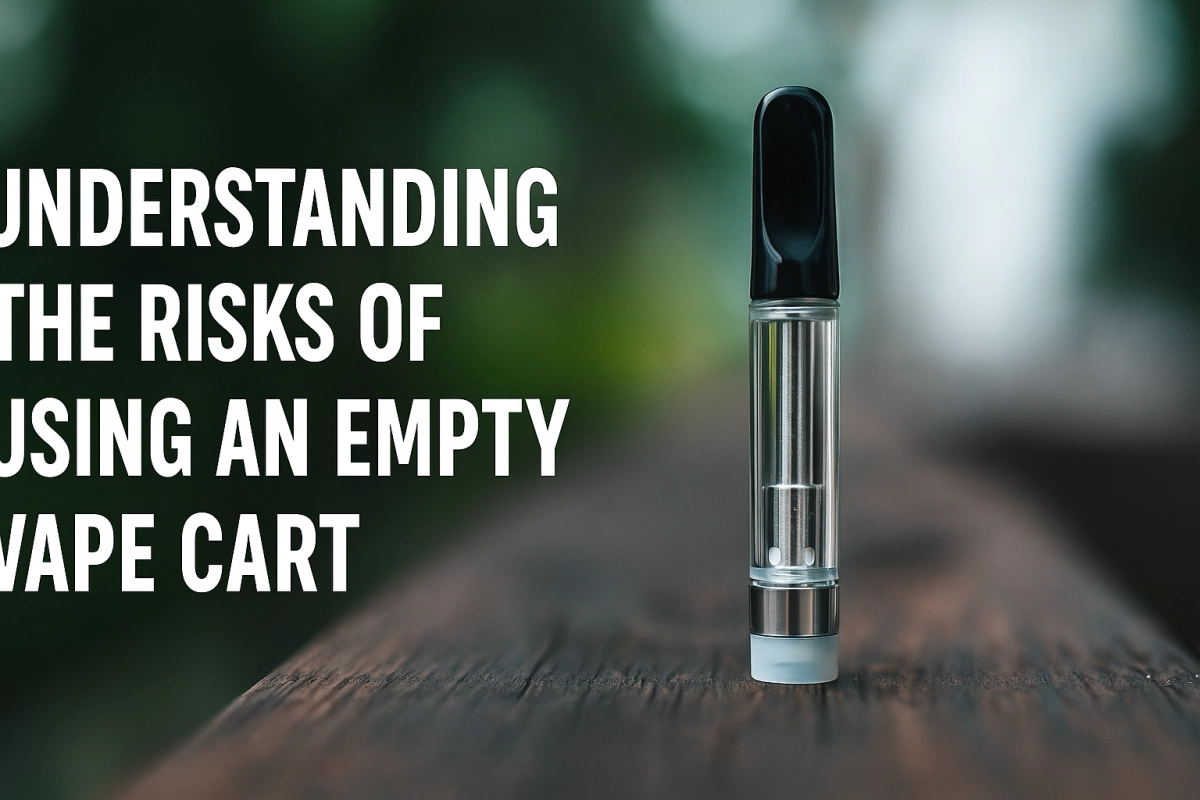
Direct answer (for busy readers)
An “empty” vape cartridge—whether truly dry, nearly depleted, or never meant to be filled—carries real risks: overheating the heater and generating harsh by-products, battery stress and short circuits, contamination from residues or refills of unknown origin, and injury from cracked glass, leaking liquids, or makeshift refilling. If you discover a cartridge is empty or not designed for refilling, the safest response is to stop using it, avoid improvising refills, and dispose of it properly. When in doubt, replace the cart with a new, authentic, purpose-built cartridge and follow local safety and age rules.
Audience & scope
This article is written for adults who purchase vape hardware for personal or B2B use (retailers, purchasing managers, technicians). It is not medical advice and does not make “approved/approved by” claims. Where safety or compliance is discussed, treat the guidance as general good practice; always check current rules in your region.
What “empty” actually means
“Empty” can describe several scenarios—each with different risk profiles:
-
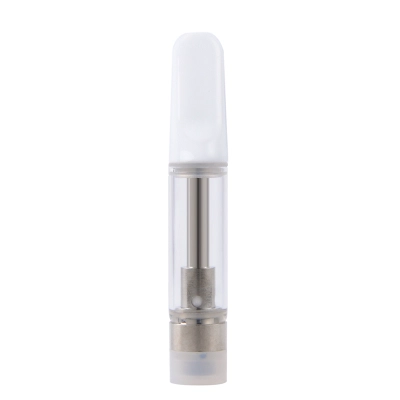
Truly empty / dry: No visible liquid.
-
Near-empty: Liquid no longer covers the inlet holes; wicking is inconsistent.
-
Design-empty: A display or sample cart never intended for filling/heat use.
-
Improperly refilled: A cart built for single use that someone refilled anyway.
-
Counterfeit or unknown: The cart’s materials, tolerances, and seals are uncertain.
Risk Categories
1) Thermal & chemical risk
Running a heater with insufficient liquid can overheat the ceramic/metal core, scorching residues and producing burnt, irritating aerosols. Dry hits also accelerate degradation of wicking and seals, making future leaks more likely. If the device continues to draw current without proper cooling from liquid, component temperatures can spike fast.
Practical signs
-
Burnt or acrid smell/taste
-
Hissing/popping without vapor
-
Rapidly warming mouthpiece or tank wall
What to do
Stop use immediately. Do not keep drawing to “coax” a hit—this worsens damage.
2) Electrical & battery risk
An empty or damaged cart can create abnormal resistance or intermittent contacts, making the battery overwork or misread the load. In extreme cases this can trip protection circuits, cause blinking fault codes, or generate localized heating in the connector.
What to do
If a cart reads “open/short,” blinks, or heats unusually, disconnect it. Inspect contacts for contamination; never bypass protections or use modified chargers. Replace the cart rather than chasing the fault.
3) Mechanical & injury risk
When seals dry out, the glass tank and press-fits lose cushioning and may crack under small impacts. Refilling tools (paperclips, needles) can chip glass or deform gaskets. A cracked tank can cut skin or leak liquid into pockets and devices.
What to do
Don’t pry or torque the tank. If you see hairline cracks, loose mouthpieces, or distorted O-rings, retire the cart. Handle leaks with gloves or towels; wash skin after contact.
4) Contamination & product-integrity risk
Refilling a cart not designed for it can introduce dust, fibers, lubricants, or incompatible liquids. Unknown materials in the “wet path” (center post, gaskets, adhesives) may not be appropriate for the solvent system you add, increasing leaching or off-flavors. Counterfeit carts can substitute inferior metals or plastics.
What to do
Use authentic, refillable hardware if refilling is required. Keep a clean environment and dedicated tools; discard any suspect or counterfeit part.
5) Legal, age, and handling risk
Even an empty cart—once used—may contain residues that trigger handling or age restrictions in certain jurisdictions. Shipping or discarding carts with attached batteries can invoke dangerous-goods rules. Household trash is rarely appropriate for cells or electronics.
What to do
Follow local age restrictions. Separate batteries for proper recycling, and use municipal hazardous waste or electronics take-back programs where available.
Decision Guide: Troubleshoot vs. Retire
-
Check the basics (30 seconds)
-
Is there visible liquid above the inlet holes?
-
Are contacts clean and dry?
-
Is the device hot, hissing, or blinking fault codes?
-
Any cracks, chips, or leaks?
-
-
If any red flag appears
-
Stop using the cart.
-
Do not blow through ports, flush with water, or heat externally.
-
Disconnect from battery; let it cool on a nonflammable surface.
-
Prepare for safe disposal (see below).
-
-
If no red flags but performance is weak
-
Gently warm to room temperature (not external heat).
-
Wipe the 510 contacts with a dry swab.
-
Try a different, compatible battery (same thread/voltage range).
-
If still dry/burnt, retire the cart—do not force hits.
-
Proper Disposal & Environmental Notes
-
Separate cartridges from batteries. Never crush or incinerate.
-
Place empty/damaged carts (no battery) in sealed bags to prevent residue transfer; follow local guidance for household hazardous waste if applicable.
-
For rechargeable disposables or batteries, tape terminals and bring them to battery recycling or municipal collection events.
-
Wipe spills with disposable towels; wash hands after contact.
Supplier Checklist (B2B buyers & shop owners)
Authorization & authenticity
-
Source from authorized distributors; archive invoices and contact references.
-
Keep photo evidence of engravings, batch labels, and packaging.
Materials & documentation
-
Request material disclosures relevant to your market (e.g., metals in the wetted path, polymer types for seals).
-
If your program uses batteries/chargers, maintain current safety guidance and test summaries appropriate to your shipping mode.
Traceability & QC
-
Require lot/batch numbers on outer cartons and a packing-list map from SKU to batch.
-
Run incoming inspections: visual (cracks, debris), fit (mouthpiece tightness), and basic electrical checks (resistance in expected range).
Red flags
-
Sellers who won’t share batch labels or specs, abnormally low prices coupled with “no samples,” inconsistent finish/engraving, or pushback on returns.
Compliance & Safety Essentials (overview)
-
Adults only in jurisdictions where these products are legal.
-
Treat battery safety as non-negotiable: use compatible chargers, avoid extreme heat/cold, don’t charge on soft furnishings, and stop using any device that overheats or smells of burning.
-
For shipments that include cells/batteries, ensure the correct classification, packing, marks/labels, and that staff handling them are properly trained for the mode and route.
-
Avoid marketing terms like “approved by” unless you hold a dated, official document that states exactly that status—and it truly applies to your product and market.
Actionable Wrap-up
-
Don’t chase hits from an empty cart. Dry operation accelerates damage and raises exposure to harsh by-products.
-
Replace—don’t improvise. If the cart isn’t built for refilling, retire it; use authentic, refillable hardware where refilling is required.
-
Keep a clean chain. For B2B, document authorization, materials, and batches; for personal use, buy from trusted retailers.
-
Respect batteries. If anything becomes hot, swollen, or emits a burnt odor, stop immediately and isolate the device on a nonflammable surface.
-
Dispose responsibly. Separate cartridges and batteries; use local hazardous-waste or electronics channels.
-
Stay current. Regulations and best practices evolve; check current official guidance in your region before purchasing, refilling, shipping, or discarding.
The safest approach to an empty vape cart is to stop, assess, and replace. You reduce thermal, electrical, contamination, and legal risks—and you set a higher standard for quality and safety, whether you’re a single user or a buyer responsible for thousands of units.
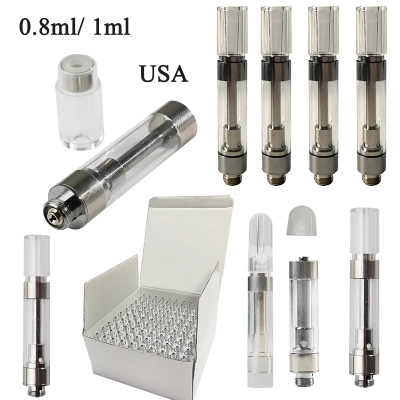
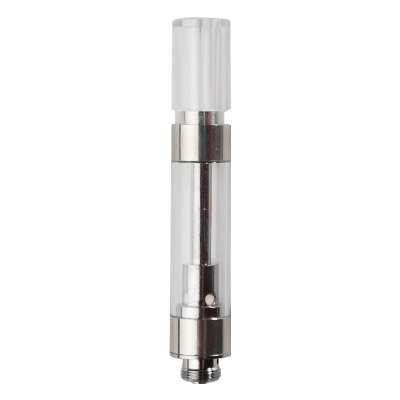
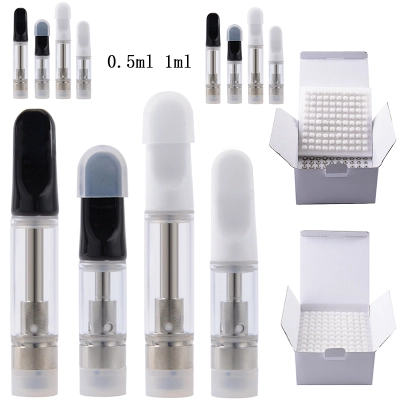
Finally, if you wanna order empty vapes wholesale, could go to these pages:cbd vape pen, cbd vape cartridge,vape cartridge,.5g cart,cart 1g



0 Comments