
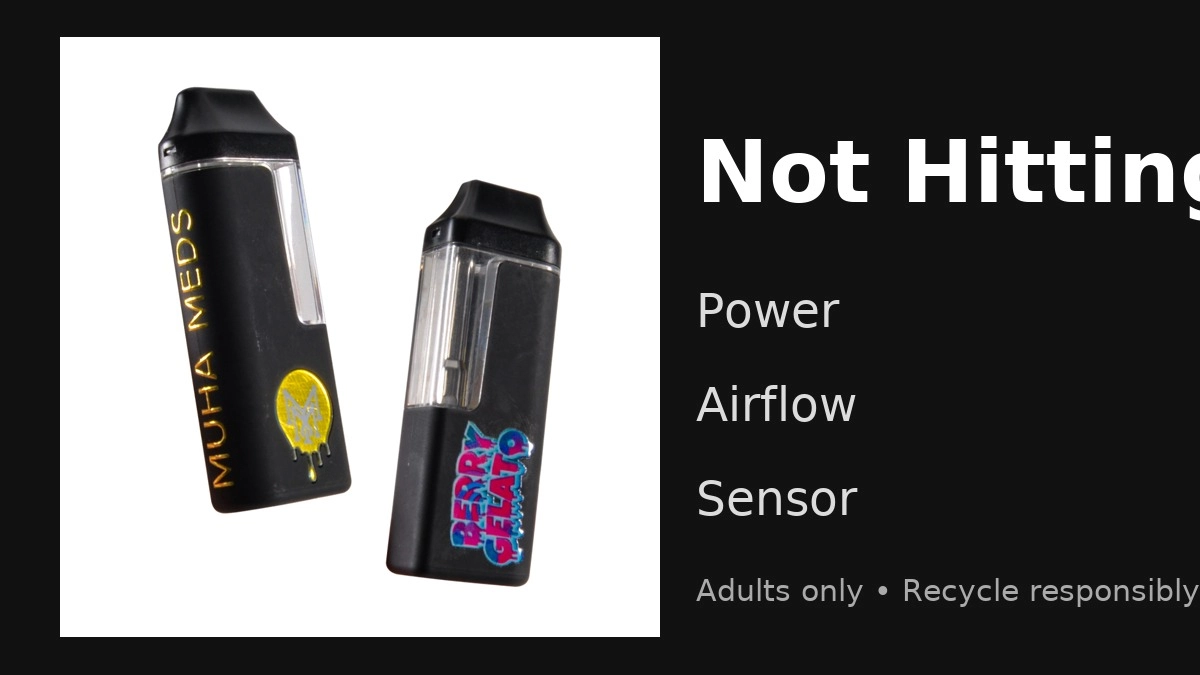
You pick up your vape, but it doesn’t work. When your disposable vape not hitting derails your plans, the cause is usually battery/charging, airflow blockage, or an auto-draw sensor fault. Most basic checks can be done at home, with no special tools and with safety top of mind.
Safety Reminder:
Disposable vapes may contain nicotine. Nicotine is addictive and harmful to children and adolescents. Adults only. Keep devices and e-liquids locked away and dispose of them responsibly. Follow local regulations for purchase, use, and disposal.
Common Issue — Explanation
-
Airflow Blockages — Lint, debris, or condensate at the mouthpiece or vents can choke airflow and stop vapor.
-
Battery Connection Issues — If the cell is depleted or contacts are contaminated/misaligned, the heater won’t power.
-
Auto-Draw Sensor Problems — If the differential-pressure sensor is blocked or damaged, the device won’t trigger.
Key Takeaways
Focus your troubleshooting on the “big three”: power, airflow, and sensor. Do not use the device if it overheats, leaks, or shows structural damage. If the unit still fails after safe checks, recycle or replace it rather than forcing a fix.
Quick Self-Check — Safety First
Ask these yes/no questions before any attempt:
-
Is the device unusually warm or hot to the touch?
-
Is there visible leaking?
-
Was it dropped or exposed to water recently?
-
Any cracks, dents, bulges, or damaged ports?
-
If rechargeable, does the charge indicator illuminate?
-
Do you hear a faint airflow sound on a gentle draw?
-
Is the mouthpiece visibly free of debris?
-
Did you obtain it from a legitimate, age-gated seller?
Tip: If overheating occurs, stop using, place the device on a nonflammable surface, and let it cool. Persistent heat, odor, or swelling are stop-signals.
What Not to Do
When asking why is my disposable not hitting, avoid risky actions:
-
Don’t use devices that are damaged, leaking, swollen, or abnormally hot.
-
Never attempt to recharge a non-rechargeable disposable.
-
Don’t puncture, crush, or disassemble the battery.
-
Avoid rapid back-to-back long drags that can flood the airway.
-
Don’t charge unattended or overnight.
-
Don’t attempt “DIY fixes” that introduce liquids into ports or sensors.
Safety Reminder: Conservative steps extend device life and reduce injury risk. If in doubt, stop and dispose of the device properly.
Why Is My Disposable Vape Not Hitting?
Most failures trace to a few causes. Many can be screened safely at home:
-
Battery or charging problems
-
Airflow blockages or clogs
-
E-liquid depletion or misdelivery
-
Sensor or coil faults
Let’s review each—and the safe actions to take.
Battery or Charging Issues
Symptoms: no light on draw, short runtime, no charging indication, abnormal warmth.
What you can do (safely):
-
Try a known-good wall adaptor and cable; avoid wobbly USB hubs.
-
Inspect the charge port and visible contacts; dry cotton swab only.
-
Allow the device to return to room temperature if it’s been in a hot or cold environment.
-
If there’s still no response, stop and recycle/replace. A non-responsive cell or control board should not be forced.
Tip: Many “no-hit” cases are end-of-life batteries or charge path failures. Don’t attempt to pry or jump-start.
Airflow or Clogs
Dust, pocket lint, or condensate can obstruct the mouthpiece/vents.
How to check and fix:
-
Visually inspect the mouthpiece and intake holes; remove visible debris with a dry tissue or cotton swab.
-
Hold the device mouthpiece down for 5–10 minutes to let condensate settle away from the sensor path.
-
Use gentle puffs; avoid hard, sustained draws that can pull liquid into the airway.
-
If airflow remains restricted or gurgling persists, discontinue use and dispose of the device. For sealed disposables, invasive cleaning can worsen ingress.
Note: Prevent clogs by storing devices upright, avoiding extreme temperature swings, and keeping lint away from air inlets.
E-Liquid Problems
Symptoms: weak vapor, frequent gurgle, or dry hits.
What to look for:
-
Check for external leaks and wipe promptly; wash hands if e-liquid contacts skin.
-
If the tank appears empty or flavor drops sharply, the fill is likely depleted. Sealed disposables are not intended for refilling—replace responsibly.
-
Persisting leaks or repeated flooding indicate internal failure—stop using.
Alert: E-liquid exposure can irritate skin/eyes and may contain nicotine. Handle leaks with gloves or immediate handwashing.
Sensor or Coil Faults
The auto-draw sensor must detect a small pressure drop to activate the heater.
Steps to troubleshoot:
-
Try a gentle draw to see if the indicator flashes or you hear faint crackling (a sign the coil is energizing).
-
Lightly tap the device to dislodge minor condensate near the sensor port; dry-swab around external openings.
-
If there is no activation despite clear airflow and adequate charge, the sensor or controller may be defective—replace rather than forcing activation.
Reminder: Manufacturing variability exists. Buying from trusted, compliant sellers reduces DOA/early-failure rates.
Common causes of “not hitting” include: poor QC, rough handling, airflow design tolerances, user technique (hard pulls), oil formulation mismatch, depleted batteries, internal moisture/condensate, and temperature extremes. If safe steps fail, replacement is the prudent option.
Step-by-Step Troubleshooting
Unpack and Inspect
In strong light, check for cracks, dents, bulges, loose parts, or moisture signs. Severe damage or active leaking = do not troubleshoot further.
Check for Leaks and Blockages
Look for e-liquid at the mouthpiece or base. Dry-wipe only. Inspect vents; clear dry debris with a cotton swab. Avoid blowing liquids or cleaners into ports.
Test Battery and Connections
Observe the indicator while drawing. For rechargeable units, try a different certified cable/adaptor. Clean contacts dry. No response → replace.
Step — Action — Description
1 — Check battery status — Ensure sufficient charge/indicator response.
2 — Clean contacts — Dry-swab visible terminals and port area.
3 — Re-try charging — Known-good adaptor; avoid hubs or laptops if unstable.
Clear Airflow and Mouthpiece
If the mouthpiece is removable per the manufacturer, detach and dry-wipe the interior. Use a dry pipe cleaner/cotton swab for loose debris. Do not soak parts or introduce alcohol/water—liquid ingress can damage sensors/electronics.
Adjust Grip and Reset Device
Avoid squeezing or covering intake holes. Let the device rest at room temperature for a few minutes between attempts. Do not blow through charge ports or vents.
Clean Coil or Connection Point
For disposables, internal coil access is not intended. If persistent no-vapor/harsh taste continues, assume coil failure and replace the unit.
Note: If all safe steps fail, do not escalate with invasive methods. Replace/recycle.
When to Replace or Recycle
Signs to Stop Using
-
Heat, swelling, burning odor, or smoke
-
Cracks, dents, punctures, or loose components
-
Repeated leaks or darkened residue suggesting internal breakdown
-
Missing age warnings, lot/batch info, or suspicious packaging
If any appear, stop immediately and follow local e-waste/battery guidance.
Safe Disposal Tips
-
Do not crush, puncture, or incinerate.
-
Do not toss in regular trash where prohibited; many regions treat lithium cells as hazardous.
-
If the battery is accessible only within the sealed device, bring the entire unit to an e-waste or battery take-back point.
-
Keep terminals/ports taped or covered during transport to recycling to prevent short circuits.
Proper disposal reduces fire risk and environmental harm.
Safety and Compliance
Battery and Charging Safety
-
Inspect for damage before use; store cool and dry.
-
Charge under supervision on a hard, nonflammable surface.
-
Avoid extreme temperatures; never charge on soft furnishings.
-
Use only the charging method specified for your device; non-rechargeable disposables must not be charged.
Health and Age Guidelines
-
Adults only, per local law. Nicotine can affect developing brains; keep away from children/teens.
-
Use clear labeling, batch/lot tracking, and child-resistant packaging where required.
What to Do If Exposed to E-Liquid
-
Skin: Rinse with running water; remove contaminated clothing.
-
Eyes: Rinse with clean, room-temperature water; seek care if irritation persists.
-
Ingestion: Seek medical help immediately.
Contact local poison control if symptoms occur.
You can resolve many disposable vape not hitting problems with clean, dry, non-invasive checks: verify charge and indicator response; clear airflow with dry tools; avoid over-drawing and heat extremes. If the device is damaged, overheats, leaks, or remains non-functional, replace or recycle—that’s the safest choice.
FAQ
Why isn’t my disposable hitting after charging?
Possible end-of-life battery, poor contact, or controller fault. Try a known-good adaptor/cable and dry-clean contacts. If still unresponsive, replace.
How do I fix blocked airflow safely?
Dry-wipe the mouthpiece and intakes; use a dry pipe cleaner for loose debris; rest mouthpiece-down briefly. Don’t introduce liquids or blow into ports.
Is it safe to use a leaking disposable?
No. Stop using, clean skin with water if exposed, and dispose of the device per local guidance.
Meta Description (optional):
Safe, step-by-step fixes for a disposable vape not hitting—covering battery, airflow, and sensor checks, with clear stop-signals and disposal guidance.
Sources (for transparency, no links required in-page):
Regulatory/public health guidance on vape battery safety, nicotine exposure, youth protection, and safe disposal; mainstream troubleshooting best practices.
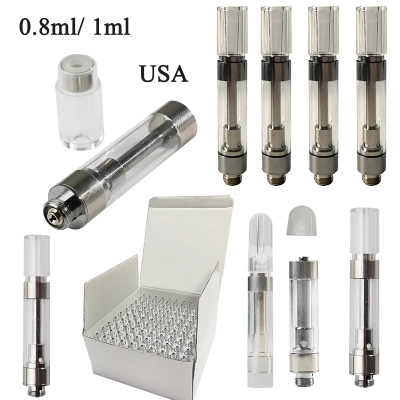
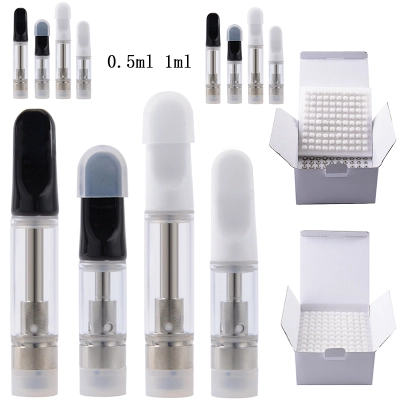
And if you wanna order empty vapes wholesale, could go to these pages:cbd vape pen,1ml disposable muha meds disposables 1 gram





0 Comments