
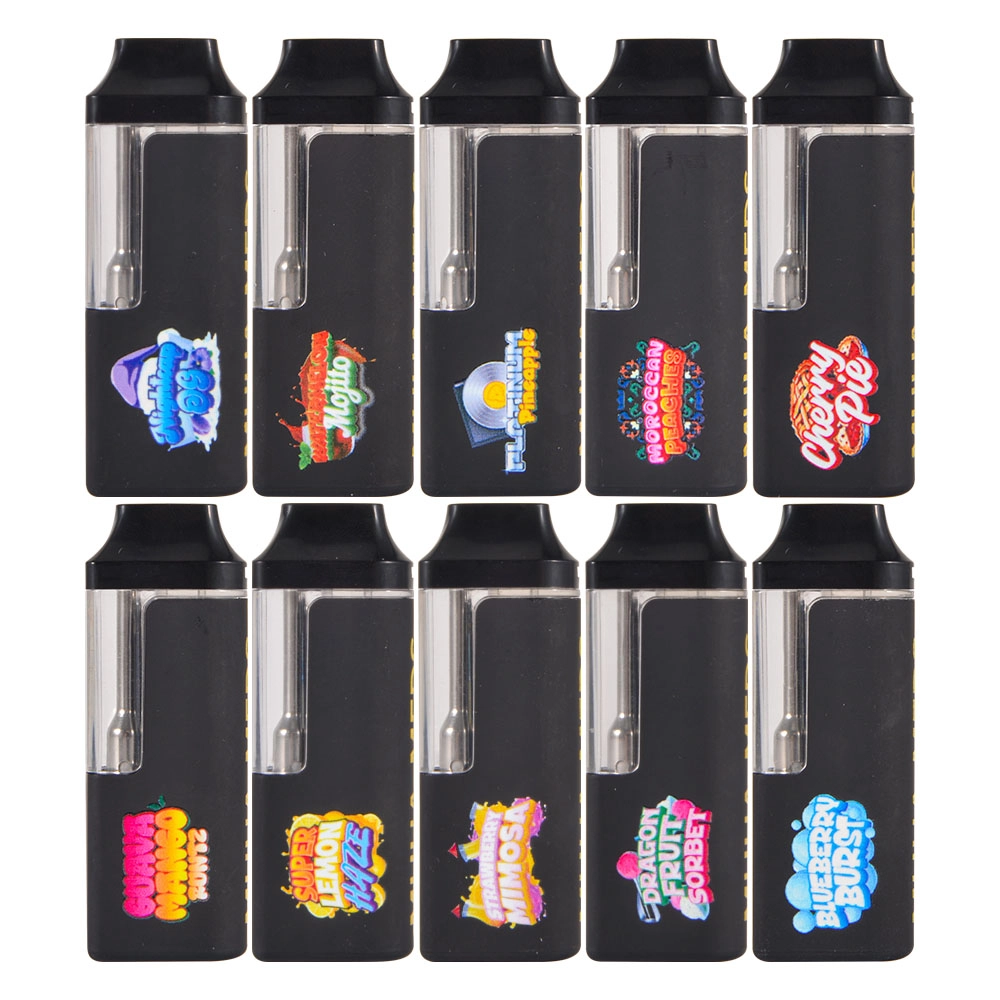
When people say “Muha Meds” in 2025, B2B teams usually mean a 2-gram, rechargeable, ceramic-heated disposable platform that’s easy for first-time customers to use and easy for retailers to support. Below are the five hardware reasons this style converts new users—and what your procurement team must verify before scaling. Empty shells only; your licensed partners handle fills and finished-goods compliance.
1) Frictionless First Puff: Airflow + Ceramic = Fewer Returns
New users abandon devices fast if the first three puffs are harsh or empty. Muha-style empties pair medium-resistance, smooth airflow with even-heating ceramic elements so the device saturates predictably after cure. For B2B programs, that means:
-
Fewer “it doesn’t hit” returns
-
Less staff time teaching clog-clear tricks
-
More consistent flavor release across lots
What to verify: intake count/diameter for your viscosity band, resistance range, and first-10-puff behavior during pilot.
2) Runtime That Matches a 2 g Fill
New users equate “dies early” with “bad quality.” A well-sized USB-C cell, tuned output curve, and embedded protections let a Muha-style shell finish the tank under normal use without aggressive voltage. Your support queue shrinks, and your retail partners stop swapping units for battery disappointment.
What to verify: tank-to-empty runtime in pilot; battery sag late in life; charge-port durability.
3) Leak Discipline Built Into the Seal Stack
First-time customers won’t tolerate oily pockets. Muha-style platforms reduce headspace weep with tighter gasket compression, clean mouthpiece fit, and stable tolerances. You win twice: fewer returns and cleaner wholesale cartons.
What to verify: air-tightness/pressure test method, environmental stress regimen (heat/cold cycles, drop/vibration), and your own transit simulation results.
4) A Chassis That Makes Compliance Clear (and Branding Easy)
The rectangular body and flat planes give you space for warnings, batch IDs/QRs, and simple iconography without cramming. At the same time, the device remains a billboard for brandwork—critical when educating first-time buyers at shelf.
What to verify: printable area dimensions, abrasion resistance of finishes, and how your QR/serialization program will be placed for fast scans.
5) Predictable Reorders: Same Feel, Month After Month
New users notice when the “same device” feels different on the next purchase. Mature Muha-style programs emphasize mold/BOM stability and tight vendor change control, so your Month-12 lot draws like Month-1. That consistency is what builds habits and keeps retailers happy.
What to verify: documented change-control, golden samples, color/finish tolerances, and AQL numbers tied to incoming inspection.
Spec Targets to Request (And Validate)
-
Capacity: 2.0 mL class with marked safe-fill line
-
Heating: advanced ceramic; resistance around ~1 Ω for thick oils
-
Airflow: smooth, medium draw; optional gentle preheat
-
Power: rechargeable lithium cell, USB-C, protections baked in
-
Tolerances: low variance in seal compression and mouthpiece torque
-
Materials Discipline: assembled-unit heavy-metal/materials test summaries for oil-contact parts
Documentation Set a Serious Vendor Should Provide
-
Exploded views, dimensions, and intake specs
-
Recommended fill temperature, fill volume, and cure/soak window
-
Device safety statements consistent with contemporary lithium and vape-system expectations
-
Factory QC outline with air-tightness testing, thermal cycling, drop/vibration, AQL targets, and RMA terms
-
Packaging map: reserved zones for warnings, batch IDs, and your authenticity labels
If the vendor can’t furnish this in a business day for a mature SKU, you have your answer.
Pilot Plan: Prove It with Your Oil
-
Bench fit: confirm torque, seals, finish abrasion, and port sturdiness.
-
Fill 300–500 units: real oil, real temps; follow soak guidance.
-
Stress ship: cycle heat/cold; log leaks, clogs, and battery behavior to near-empty.
-
Compare: complaint/return ratio vs your current device after one week on shelf.
-
Decide: if it beats your thresholds, lock spec and lead times; if not, iterate intake geometry before scaling.
Bottom Line for B2B
Muha-style empty disposables “change the game” for new users because the hardware removes friction: a cooperative airflow path, even ceramic heat, runtime that reaches near-empty, and a chassis that clarifies both branding and compliance. For your team, the win is predictable QC and lower cost-to-serve. Validate the claims with a disciplined pilot and a vendor dossier that reads like it was written for your SOPs—because that’s exactly what you need to scale in 2025.


0 Comments