
Introduction: A Structural Shift in the Vape Hardware Industry
Over the past several years, the global vape industry has shifted from being product-driven to being platform-driven. This means that success is no longer determined only by e-liquid formulations or branding, but increasingly by the hardware architecture that supports the entire product ecosystem.
Among the most significant developments in this transition is the rapid rise of empty disposable vape devices designed for OEM and ODM customization. These devices are not pre-filled consumer products. Instead, they function as scalable hardware platforms for vape brands, distributors, and manufacturing partners.
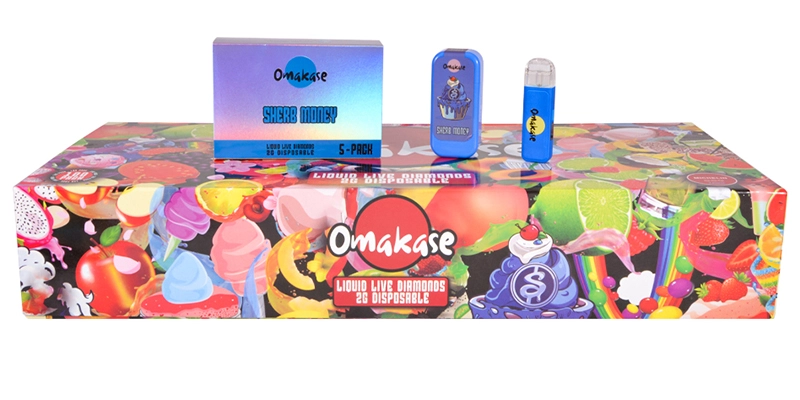
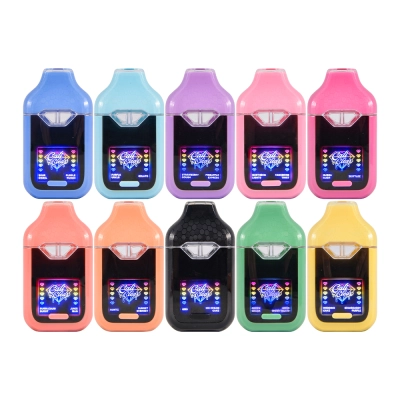
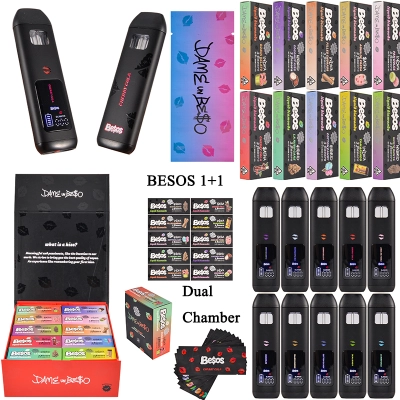
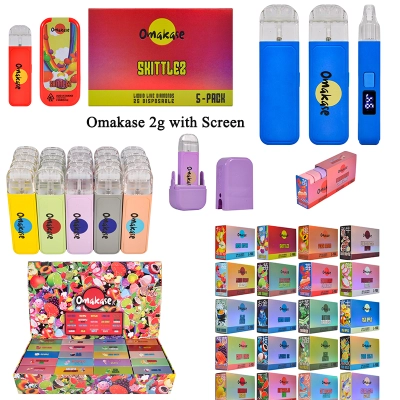
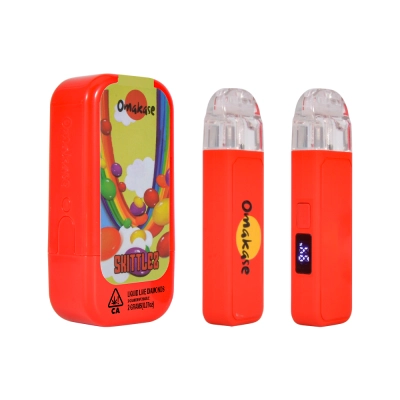
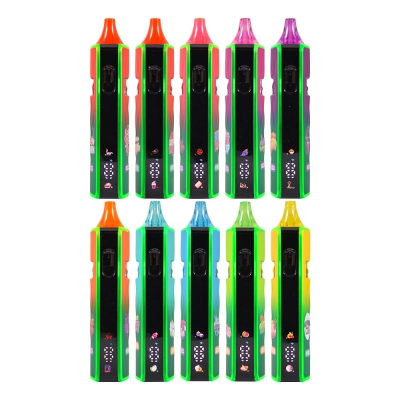
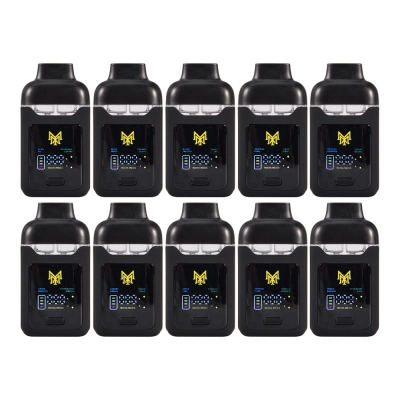
One of the most notable formats in this category is the 2g disposable vape device with integrated screen technology and multi-flavor capability, such as the emerging “Omakase-style” platform design used by several OEM factories.
1. From Finished Products to Hardware Platforms
Historically, vape brands competed at the consumer level. Companies focused on:
- Flavor development
- Packaging design
- Nicotine formulation
- Marketing differentiation
However, this model has changed significantly.
Today, B2B buyers increasingly prioritize:
- Hardware stability
- Manufacturing scalability
- Compliance adaptability
- Cost-per-unit optimization
- Supply chain consistency
This shift has given rise to empty disposable vape systems, where the hardware is separated from the filling process.
In this model, brands receive:
- Empty 2g devices
- Integrated battery systems
- Screen modules (in advanced models)
- Coil and airflow structures
- Customizable shells and branding surfaces
This allows companies to focus on branding and distribution rather than engineering hardware from scratch.
2. Why 2g Capacity Has Become the Industry Benchmark
Across global wholesale markets, the 2g capacity format has emerged as a standard due to its balance between performance and efficiency.
From a manufacturing perspective, 2g devices offer:
- Optimized battery-to-liquid ratio
- Stable vapor output cycle
- Reduced refill complexity
- Cost-efficient packaging logistics
- Consumer-acceptable usage duration
Industry procurement data from OEM distributors in North America and Europe shows that 2g disposables account for a significant share of mid-to-premium vape hardware demand.
This is not accidental. It reflects a convergence between:
- Regulatory pressure (limiting excessive capacity formats)
- Retail pricing strategies
- User experience expectations
- Manufacturing scalability
3. The Rise of Screen-Integrated Disposable Devices
One of the most important innovations in the empty vape hardware category is the integration of digital display screens.
These screens typically provide:
- Battery level indication
- Device status monitoring
- Puff or usage tracking
- Flavor or mode identification (multi-flavor systems)
In B2B product positioning, screens serve a more important function than aesthetics. They act as a perceived value multiplier.
Retail studies consistently show that devices with screen interfaces are perceived as:
- More advanced
- More expensive
- More reliable
- More premium
This perception directly affects wholesale pricing power and brand positioning.
4. Multi-Flavor Systems and Market Differentiation
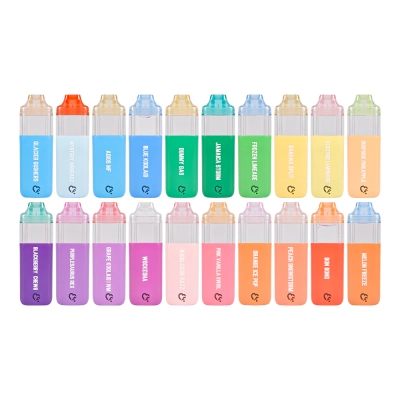
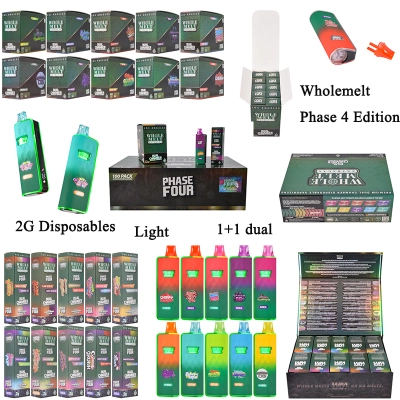
Another emerging trend is the adoption of multi-flavor systems, with some platforms supporting up to 20 flavor profiles within a single hardware ecosystem.
This allows OEM brands to:
- Launch seasonal flavor rotations
- Create regional SKU variations
- Increase repeat distributor orders
- Build brand ecosystems instead of single products
Rather than selling one device per flavor, companies can now build flavor ecosystems on a single hardware platform.
This significantly reduces R&D and tooling costs while increasing market flexibility.
5. Why Empty Devices Are Becoming the Foundation of OEM Growth
The shift toward empty disposable systems is not just a product evolution—it is a structural transformation in how vape brands operate.
Key drivers include:
- Separation of hardware and liquid production
- Increased demand for private-label manufacturing
- Faster product iteration cycles
- Lower regulatory exposure for brands
- Greater control over supply chain risk
Conclusion: A Platform Economy in Vape Hardware
The vape industry is entering a platform era where hardware defines scalability. Empty disposable devices—especially 2g screen-integrated systems—are becoming the foundation for next-generation brand development.
This shift is not temporary. It represents a long-term restructuring of how vape products are designed, manufactured, and distributed globally.
If u wanna know more details about omakase disposables, pls go to these pages: omakase disposable,2g disposable vape wholesale












0 Comments