
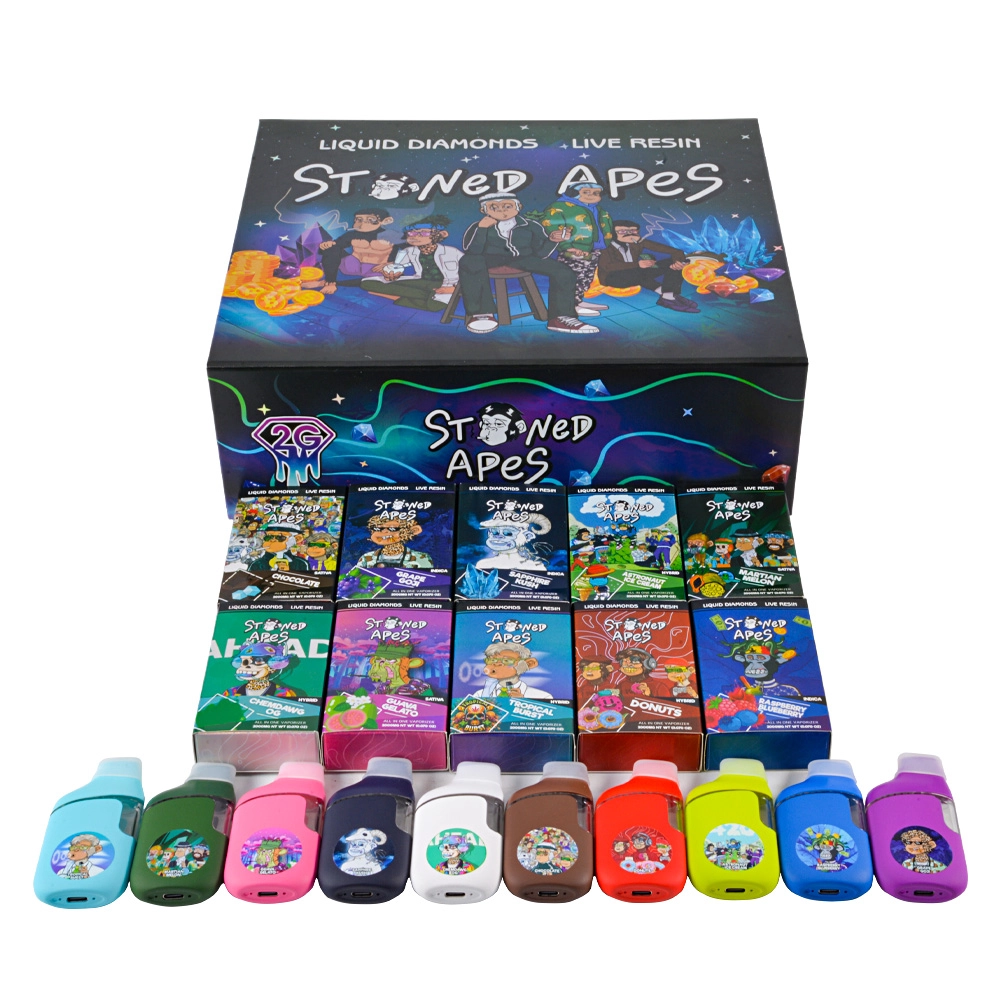
What “Stoned Apes” Means in Hardware Terms
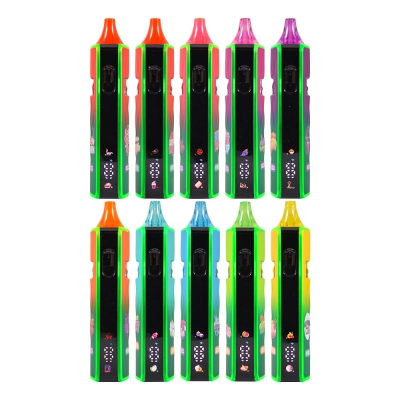
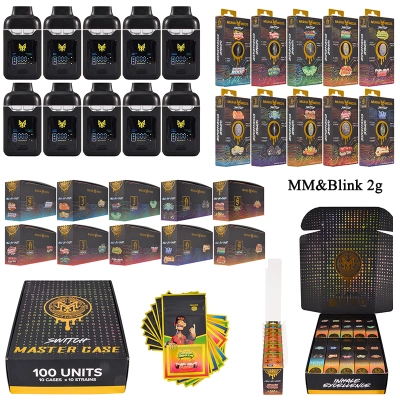
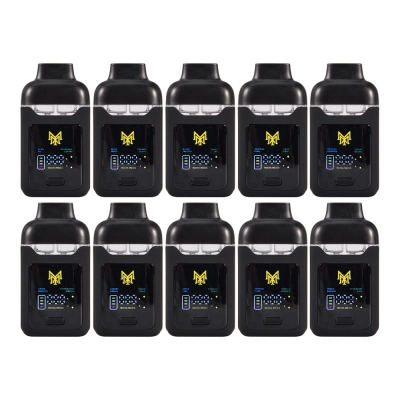
In B2B conversations, “Stoned Apes” typically denotes a 2 g, rechargeable, ceramic-heated bar with recognizable cosmetics and a focus on thick-oil compatibility. The differentiation that matters to procurement is not branding—it’s whether the chassis starts clean, finishes the tank, and keeps leak/DOA low while fitting your compliance workflow.
Platform Fundamentals
-
Reservoir: true 2.0 mL class with a clear safe-fill line
-
Heating: advanced ceramic element for even thermal distribution
-
Airflow: medium, smooth draw that wets quickly after cure
-
Power: USB-C rechargeable cell; protections for short-circuit, over-charge, over-discharge
-
Seal stack: controlled gasket compression + repeatable mouthpiece torque
-
Chassis: flat planes for warnings, batch/lot IDs, and serialization
Empty hardware only—licensed partners handle fills and finished-goods compliance.
Why It Stands Out to B2B Teams
1) Thick-Oil Intake That Reduces Coaching
Larger, well-placed intake ports and short, smooth channels reduce back-pressure, so first puffs are predictable after soak/cure. That means fewer “tap, warm, flip” scripts at retail.
2) Runtime That Reaches Near-Empty
A right-sized cell paired with a conservative output curve is tuned to finish 2 g under typical use—minimizing “dies at half” returns.
3) Leak Discipline You Can Measure
Tight tolerances in gasket compression and mouthpiece torque, plus pressure testing on finished assemblies, reduce headspace weep through freight and store handling.
4) Audit-Speed Documentation
A compact dossier—exploded views, intake specs, resistance window, fill/cure guidance, device/battery safety statements with transport summary for the cell/pack, assembled-unit materials tests, QC regimen with AQLs—lets legal say “yes” faster.
Spec Snapshot (Targets You Should Verify)
-
Capacity: 2.0 mL class (marked safe-fill)
-
Coil: ceramic; nominal resistance near ~1.0 Ω for viscous oils
-
Airflow: smooth, medium; consistent feel lot-to-lot
-
Preheat: gentle option to clear condensation without scorching (if supported)
-
Battery: USB-C; protections embedded; port retention tested
-
Finish: abrasion-resistant coating; no odor transfer; tight color tolerance
Treat these as verification points, not marketing claims.
Pilot Blueprint (Mid-Funnel to PO)
-
Scope lock: empty hardware only—no prefilled offers.
-
Bench check: seals, torque, port robustness, finish abrasion.
-
Pilot fill: 300–500 units; follow vendor guidance for fill temp, headspace, soak/cure.
-
Stress ship: heat↔cold cycles and vibration/drop.
-
Track five KPIs:
-
Post-transit leak rate (per 100)
-
First-10-puff success (no harsh/gurgle)
-
Runtime to near-empty (charge top-ups)
-
Clog-resolution incidence (week one)
-
DOA/early failure out of box
-
-
Decision gate: approve only if the candidate meets or beats your current device on all five.
-
Freeze spec: lock molds/BOM; set incoming tolerances (resistance, finish, torque) and lead-time tiers (5k/10k/50k/100k+).
Retail & Ops Advantages
-
Training: simple demo script (“medium draw; brief preheat if needed”) reduces counter time.
-
Branding: large, flat planes keep warnings legible while showcasing art.
-
Traceability: clean zones for batch IDs and serialization plug into ERP and recall SOPs.
-
Consistency: mold/BOM discipline keeps Month-12 lots feeling like Month-1—key to repeat purchase.
Red Flags to Catch Early
-
Prefilled pitches or ambiguous brand authorization
-
Missing assembled-unit materials results or lithium transport summary
-
Inconsistent draw feel or resistance between samples and pilot
-
No pressure-test method, no AQL numbers, vague RMA terms
-
Packaging layouts that crowd warnings/serialization
Final Take
“Stoned Apes” stands out when the engineering, paperwork, and pilot data align: smooth starts, tanks finished, clean pockets, low DOA—and a dossier your auditors accept. Validate those outcomes with your oil and your lanes, lock the spec, and you’ll have a platform that performs all year, not just on launch week.






0 Comments