
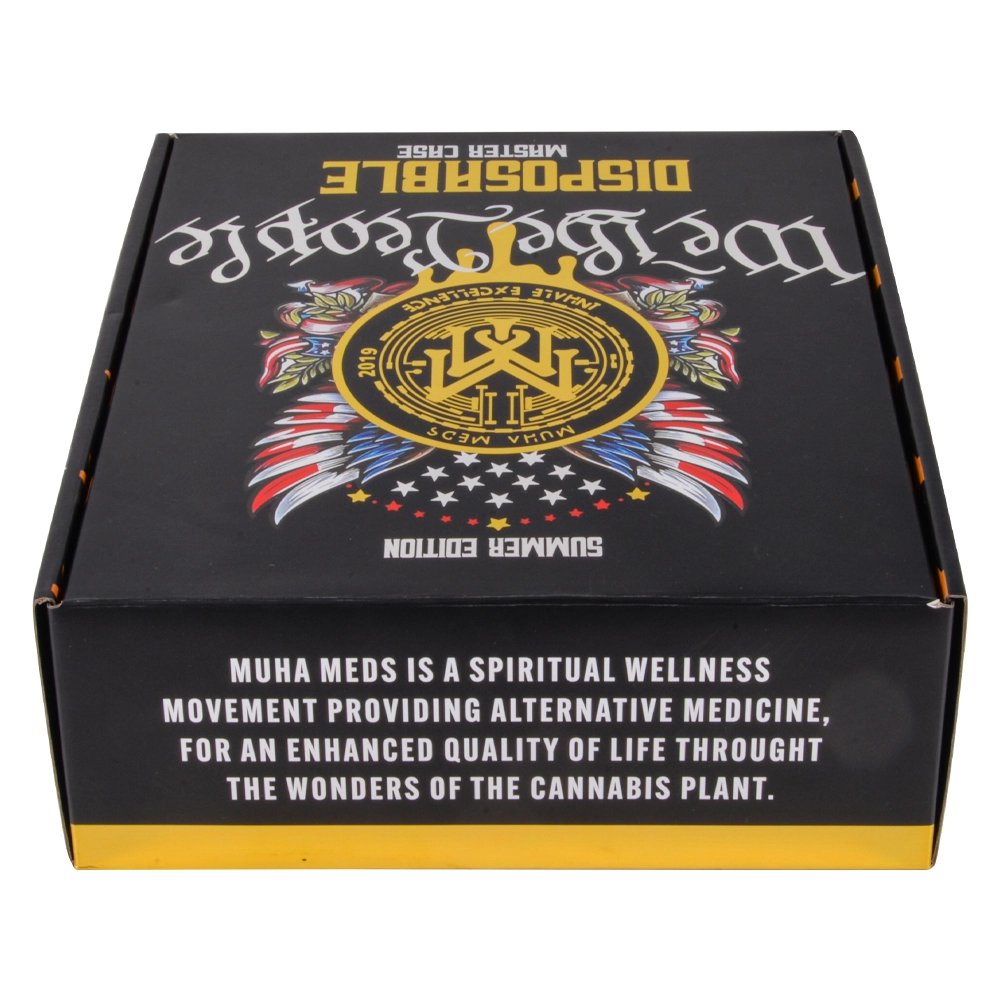
Direct recommendation: If you’re evaluating “empty Muha Meds carts” for wholesale, start with authorized sources only, require hardware safety documentation (UL 8139 for e-vapor devices, UN 38.3 for lithium cells/batteries, RoHS for substance restrictions), and validate post-fill cannabis compliance in the state(s) where you’ll sell. Treat QR codes as supplemental transparency, not a substitute for printed, state-required label statements. Buyers consistently value high vapor output, leak resistance, and flavor fidelity—but none of that matters without traceability and compliance.
Key Takeaways
-
Source from authorized sellers. Ask for proof of brand authorization, complete business credentials, and named compliance contacts.
-
Inspect every shipment. Use a receiving checklist (seals, resistance, airtightness, cosmetic defects, charge/discharge where applicable) and quarantine exceptions.
-
Keep a compliance document pack. For hardware: UL 8139 report/statement, UN 38.3 test summary (if battery-powered), and RoHS declaration. For post-fill cannabis products: batch COAs from competent labs (ISO/IEC 17025) and state label proofs.
Wholesale Channels
Where to Buy Authentic Muha Meds Carts
Work only with brand-authorized wholesalers or distributors who can produce written proof of authorization. If a seller offers “empty Muha-branded” packaging or devices, require explicit brand permission—many “empty with logo” listings circulating online are not authorized.
Authorized Distributors
Your distributor should demonstrate:
-
Traceability: case → inner pack → unit (lot/batch mapping).
-
Documentation readiness: per-lot COAs (after fill), label proofs matched to your state checklist, and receiving specs (case counts, seals).
-
Compliance contacts: direct points of contact in sales, logistics, and compliance for fast resolutions.
Tip: Maintain an internal sheet with names, emails, and phone numbers for escalation.
Avoiding Counterfeits
Institutionalize a 30-second authenticity demo at receiving and POS: Scratch → Scan → Match (hidden code + QR landing) and keep pass-screen snapshots with the lot record. Inspect printing quality, tamper evidence, and serialization; be skeptical of “too-cheap” offers or mismatched packaging.
Empty Muha Meds Selection
Product Criteria
Prioritize in this order: safety/standards → sealing & leak resistance → vapor & flavor. Require:
-
UL 8139 (device safety for e-vapor systems).
-
UN 38.3 + test summary (if cells/batteries are present).
-
RoHS declaration (restricted substances).
Then evaluate negative-pressure/soak tests, temperature cycling (cold/ambient/warm), and post-test leak rates.
Form Factors & Specs
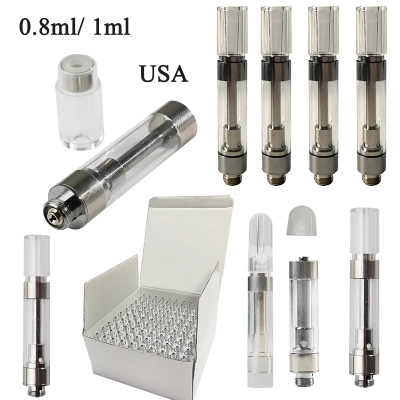
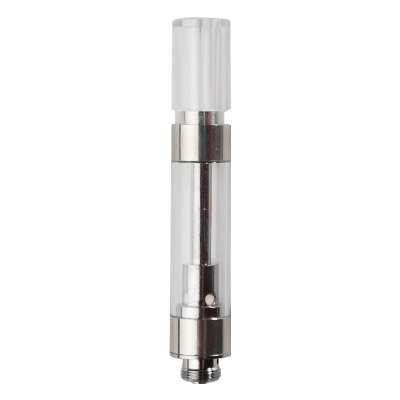
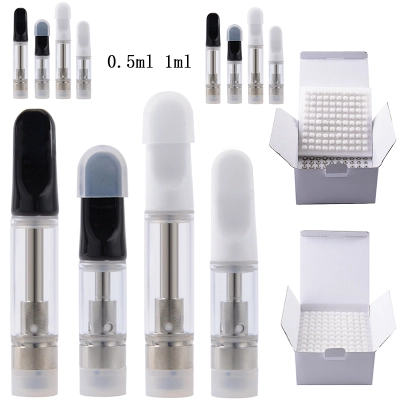
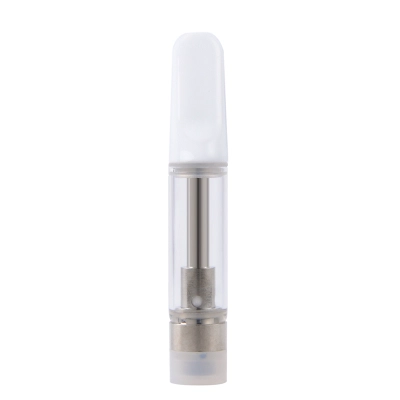
Confirm capacity (e.g., 0.5 mL/1.0 mL/2.0 mL), heating element (ceramic types), resistance (Ω), air path/airflow, USB-C charging for disposables (where applicable), and visible oil window. Align specs with your fill-finish window (temperature, viscosity, dispense speed).
Materials & Leak-Proofing
Look for ceramic cores with consistent porosity, chemically compatible seals, robust mouthpiece attachment (snap-fit vs screw), and controlled torque on final assembly. Run 24–48 h temperature cycles to expose marginal sealing.
Fill Compatibility
Before committing, perform pilot fills on your own oil(s): record fill temp, dwell, crimp/press settings, clog rate, and leak rate. Capture photos and batch IDs for repeatability.
Muha Meds Carts Review
Top Picks
Shortlist at least three models that satisfy: UL 8139/UN 38.3/RoHS, USB-C (if rechargeable), visible oil window, anti-clog features. If you include a white-label ceramic cart, identify it clearly as non-branded and show why it’s compatible with your oil and filling line.
Specs & Pros/Cons
Create a consistent fact pattern for each model: chamber volume, resistance, heater type, airflow style, oil window, sealing method, overcharge/short protection (for powered units), plus observed pros/cons from pilot testing (not hype).
Ideal Use Cases
Map models to high-viscosity live resin/rosin, everyday distillate blends, trial/limited runs, and budget-conscious projects. State why (e.g., larger inlets for thick oils, tighter airflow for flavor, etc.).
Safety & Compliance
Hardware Safety
Use UL 8139 as your baseline for e-vapor device electrical/thermal risk. Ask for a recent report or formal statement tied to the exact model/SKU, not just a family name.
Battery & Shipping
For devices with lithium cells, require UN 38.3 testing and the shipper’s test summary; follow carrier rules for marking/packaging. Chargers and external power accessories should meet IEC 62368-1.
Substance Restrictions
Obtain a RoHS declaration (and, if offered, material safety data with homogeneous material statements). Keep these with your purchase orders.
State Label Rules
California DCC
After fill, apply state-mandated printed label statements (outer panel, minimum type sizes, universal symbol, warnings, license and UID references, cannabinoid content, etc.). QR codes are supplemental; they do not replace required printed statements. Supplemental labels must be physically affixed.
Prop 65 & State Differences
If exposures trigger California Prop 65 warnings (e.g., cannabis smoke/THC), print the required warning on the package. Other states have their own specifics; maintain a state-by-state label map and review quarterly.
Verification
Arrival Inspection
Use a repeatable SOP:
-
Visuals: cracks, dents, loose mouthpieces, tamper evidence.
-
Resistance check (Ω) and airflow/draw test.
-
Airtightness (negative pressure or hold-vacuum method).
-
For powered units: charge/discharge and short-circuit protection checks.
-
Temperature cycle (e.g., 24–48 h) and re-inspect for leaks.
-
Photograph serialization/seals and file in the lot folder.
Documentation Check
Archive per lot: UL 8139 evidence, UN 38.3 test summary (if applicable), RoHS declaration, post-fill batch COA, and the lab’s ISO/IEC 17025 accreditation info. Organize by brand → SKU → lot for rapid retrieval.
Comparison: High-Quality Muha Meds Carts
Specs Table
Include a table comparing: capacity, resistance, heater type, oil window, USB-C, sealing method, overcharge protection, standards (UL/UN/RoHS), MOQ, lead time. Keep numbers grounded in your pilot results and supplier docs.
Pricing & MOQ
Avoid one-size pricing claims; note that cost varies by model, finish, order size, and customization. Capture price bands privately during quoting and record the variables (e.g., thicker shell, custom anodizing, special mouthpiece).
After-Sales Support
Spell out warranty terms, RMA process, turnaround time, and replacement-lot policy in writing. Keep proof in the same lot folder as your test photos and documents.
User Experience: High Vapor & Flavor
Common Issues
Clogs with high-viscosity oils, leaks after temperature swings, reduced vapor from low battery, burnt notes from excessive power, and airflow blockage. Provide mitigations: warmup routine, proper charger, storage upright, and periodic QC pulls.
Positive Feedback
What users notice when hardware is dialed in: dense clouds, smooth draws, faithful flavor, and consistent draw resistance. Train staff to demo proper priming and to explain how the hardware choice supports flavor and vapor.
7-Day Action Plan
Supplier Check
Verify brand authorization, request UL 8139/UN 38.3/RoHS documents, and log named compliance contacts. Build a simple vendor scorecard (docs completeness, responsiveness, failure-rate history).
Sample Testing
Run pilot fills for each candidate model; document temps, dwell, torque/press settings, and leak/clog rates. Keep results with photos and serials.
Label Prep
Draft SKU-level label maps for your target state(s): primary/info panels, minimum fonts, warnings, symbols, and license/UID placement. Prepare a COA quick-read guide for staff (batch match, dates, potency, safety panels, lab accreditation).
Recap: Choose models that prove safety (UL 8139), battery transport conformity (UN 38.3, where relevant), and materials stewardship (RoHS); confirm they deliver high vapor output, stable flavor, and leak resistance in your pilot fills. Buy only from authorized sources, and file every certification and label proof.
Action: Follow the SOPs and checklists above to make procurement safe, legal, and efficient. If you’re new to this category, consult a compliance professional or contact verified distributors for samples and documentation before you commit to volume.
Direct recommendation: If you’re evaluating “empty Muha Meds carts” for wholesale, start with authorized sources only, require hardware safety documentation (UL 8139 for e-vapor devices, UN 38.3 for lithium cells/batteries, RoHS for substance restrictions), and validate post-fill cannabis compliance in the state(s) where you’ll sell. Treat QR codes as supplemental transparency, not a substitute for printed, state-required label statements. Buyers consistently value high vapor output, leak resistance, and flavor fidelity—but none of that matters without traceability and compliance.
Key Takeaways
-
Source from authorized sellers. Ask for proof of brand authorization, complete business credentials, and named compliance contacts.
-
Inspect every shipment. Use a receiving checklist (seals, resistance, airtightness, cosmetic defects, charge/discharge where applicable) and quarantine exceptions.
-
Keep a compliance document pack. For hardware: UL 8139 report/statement, UN 38.3 test summary (if battery-powered), and RoHS declaration. For post-fill cannabis products: batch COAs from competent labs (ISO/IEC 17025) and state label proofs.
Wholesale Channels
Where to Buy Authentic Muha Meds Carts
Work only with brand-authorized wholesalers or distributors who can produce written proof of authorization. If a seller offers “empty Muha-branded” packaging or devices, require explicit brand permission—many “empty with logo” listings circulating online are not authorized.
Authorized Distributors
Your distributor should demonstrate:
-
Traceability: case → inner pack → unit (lot/batch mapping).
-
Documentation readiness: per-lot COAs (after fill), label proofs matched to your state checklist, and receiving specs (case counts, seals).
-
Compliance contacts: direct points of contact in sales, logistics, and compliance for fast resolutions.
Tip: Maintain an internal sheet with names, emails, and phone numbers for escalation.
Avoiding Counterfeits
Institutionalize a 30-second authenticity demo at receiving and POS: Scratch → Scan → Match (hidden code + QR landing) and keep pass-screen snapshots with the lot record. Inspect printing quality, tamper evidence, and serialization; be skeptical of “too-cheap” offers or mismatched packaging.
Empty Muha Meds Selection
Product Criteria
Prioritize in this order: safety/standards → sealing & leak resistance → vapor & flavor. Require:
-
UL 8139 (device safety for e-vapor systems).
-
UN 38.3 + test summary (if cells/batteries are present).
-
RoHS declaration (restricted substances).
Then evaluate negative-pressure/soak tests, temperature cycling (cold/ambient/warm), and post-test leak rates.
Form Factors & Specs
Confirm capacity (e.g., 0.5 mL/1.0 mL/2.0 mL), heating element (ceramic types), resistance (Ω), air path/airflow, USB-C charging for disposables (where applicable), and visible oil window. Align specs with your fill-finish window (temperature, viscosity, dispense speed).
Materials & Leak-Proofing
Look for ceramic cores with consistent porosity, chemically compatible seals, robust mouthpiece attachment (snap-fit vs screw), and controlled torque on final assembly. Run 24–48 h temperature cycles to expose marginal sealing.
Fill Compatibility
Before committing, perform pilot fills on your own oil(s): record fill temp, dwell, crimp/press settings, clog rate, and leak rate. Capture photos and batch IDs for repeatability.
Muha Meds Carts Review
Top Picks
Shortlist at least three models that satisfy: UL 8139/UN 38.3/RoHS, USB-C (if rechargeable), visible oil window, anti-clog features. If you include a white-label ceramic cart, identify it clearly as non-branded and show why it’s compatible with your oil and filling line.
Specs & Pros/Cons
Create a consistent fact pattern for each model: chamber volume, resistance, heater type, airflow style, oil window, sealing method, overcharge/short protection (for powered units), plus observed pros/cons from pilot testing (not hype).
Ideal Use Cases
Map models to high-viscosity live resin/rosin, everyday distillate blends, trial/limited runs, and budget-conscious projects. State why (e.g., larger inlets for thick oils, tighter airflow for flavor, etc.).
Safety & Compliance
Hardware Safety
Use UL 8139 as your baseline for e-vapor device electrical/thermal risk. Ask for a recent report or formal statement tied to the exact model/SKU, not just a family name.
Battery & Shipping
For devices with lithium cells, require UN 38.3 testing and the shipper’s test summary; follow carrier rules for marking/packaging. Chargers and external power accessories should meet IEC 62368-1.
Substance Restrictions
Obtain a RoHS declaration (and, if offered, material safety data with homogeneous material statements). Keep these with your purchase orders.
State Label Rules
California DCC
After fill, apply state-mandated printed label statements (outer panel, minimum type sizes, universal symbol, warnings, license and UID references, cannabinoid content, etc.). QR codes are supplemental; they do not replace required printed statements. Supplemental labels must be physically affixed.
Prop 65 & State Differences
If exposures trigger California Prop 65 warnings (e.g., cannabis smoke/THC), print the required warning on the package. Other states have their own specifics; maintain a state-by-state label map and review quarterly.
Verification
Arrival Inspection
Use a repeatable SOP:
-
Visuals: cracks, dents, loose mouthpieces, tamper evidence.
-
Resistance check (Ω) and airflow/draw test.
-
Airtightness (negative pressure or hold-vacuum method).
-
For powered units: charge/discharge and short-circuit protection checks.
-
Temperature cycle (e.g., 24–48 h) and re-inspect for leaks.
-
Photograph serialization/seals and file in the lot folder.
Documentation Check
Archive per lot: UL 8139 evidence, UN 38.3 test summary (if applicable), RoHS declaration, post-fill batch COA, and the lab’s ISO/IEC 17025 accreditation info. Organize by brand → SKU → lot for rapid retrieval.
Comparison: High-Quality Muha Meds Carts
Specs Table
Include a table comparing: capacity, resistance, heater type, oil window, USB-C, sealing method, overcharge protection, standards (UL/UN/RoHS), MOQ, lead time. Keep numbers grounded in your pilot results and supplier docs.
Pricing & MOQ
Avoid one-size pricing claims; note that cost varies by model, finish, order size, and customization. Capture price bands privately during quoting and record the variables (e.g., thicker shell, custom anodizing, special mouthpiece).
After-Sales Support
Spell out warranty terms, RMA process, turnaround time, and replacement-lot policy in writing. Keep proof in the same lot folder as your test photos and documents.
User Experience: High Vapor & Flavor
Common Issues
Clogs with high-viscosity oils, leaks after temperature swings, reduced vapor from low battery, burnt notes from excessive power, and airflow blockage. Provide mitigations: warmup routine, proper charger, storage upright, and periodic QC pulls.
Positive Feedback
What users notice when hardware is dialed in: dense clouds, smooth draws, faithful flavor, and consistent draw resistance. Train staff to demo proper priming and to explain how the hardware choice supports flavor and vapor.
7-Day Action Plan
Supplier Check
Verify brand authorization, request UL 8139/UN 38.3/RoHS documents, and log named compliance contacts. Build a simple vendor scorecard (docs completeness, responsiveness, failure-rate history).
Sample Testing
Run pilot fills for each candidate model; document temps, dwell, torque/press settings, and leak/clog rates. Keep results with photos and serials.
Label Prep
Draft SKU-level label maps for your target state(s): primary/info panels, minimum fonts, warnings, symbols, and license/UID placement. Prepare a COA quick-read guide for staff (batch match, dates, potency, safety panels, lab accreditation).
Recap: Choose models that prove safety (UL 8139), battery transport conformity (UN 38.3, where relevant), and materials stewardship (RoHS); confirm they deliver high vapor output, stable flavor, and leak resistance in your pilot fills. Buy only from authorized sources, and file every certification and label proof.
Action: Follow the SOPs and checklists above to make procurement safe, legal, and efficient. If you’re new to this category, consult a compliance professional or contact verified distributors for samples and documentation before you commit to volume.
If you wanna know more details, pls go to these pages: wholesale muha meds, custom muha meds disposable, muha meds disposables 2 gram.

0 Comments