
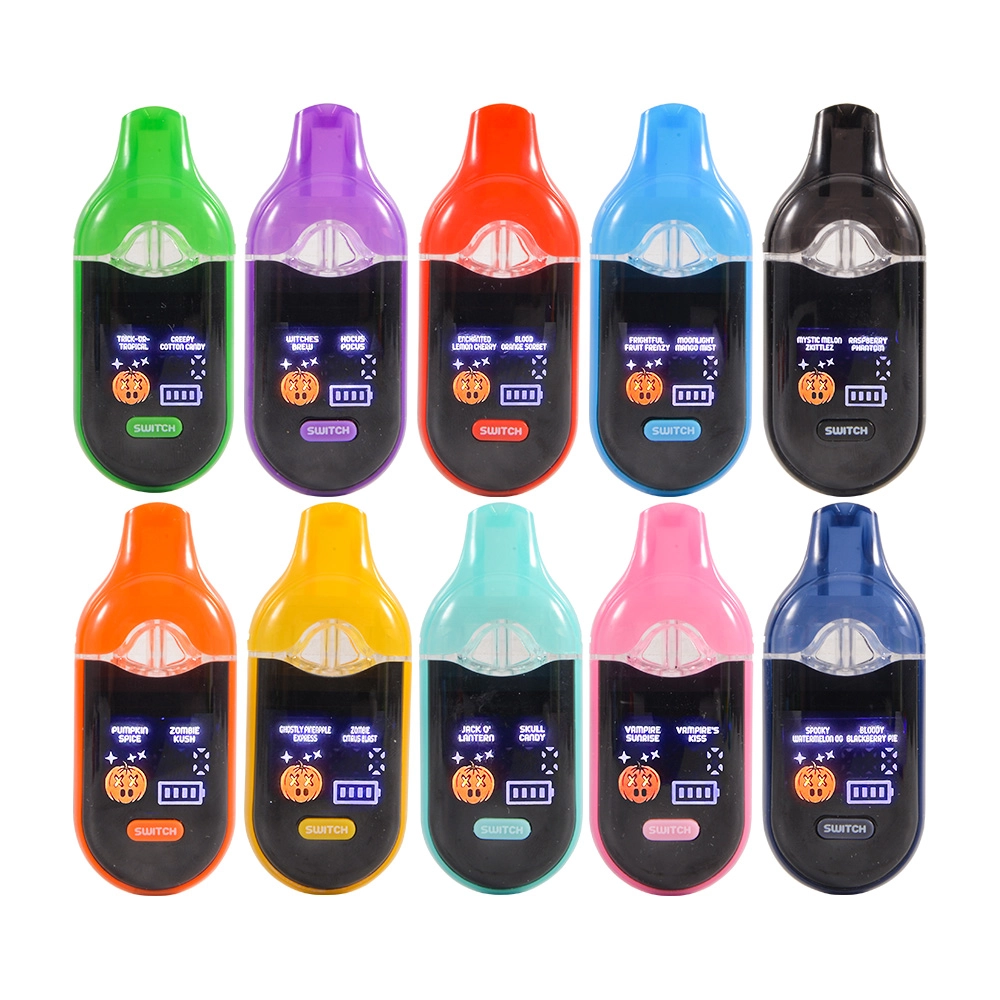
Who this is for—and what you’re actually buying
This BOFU guide targets licensed distributors, labs, and white-label fillers comparing empty hardware (cartridges or AIO shells without oil) and powered disposables (with battery). Empty hardware focuses on materials and sealing, while powered devices also trigger electrical and lithium battery obligations. Keeping these scopes separate prevents costly rework.
Value pillars (why packman vape makes the shortlist)
-
Fit & finish: tighter cap runout, smoother threads, and uniform ceramic cores drive consistent draw and fewer micro-leaks.
-
Leak control by design: dual/triple O-rings plus defined negative-pressure cavities reduce transit seepage when tolerances are held.
-
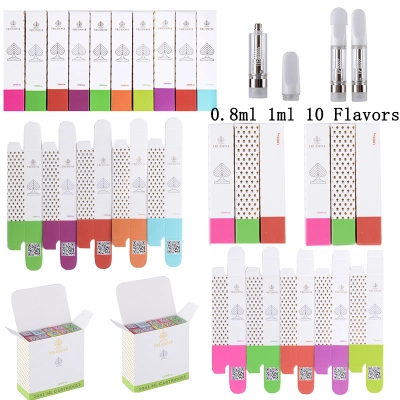
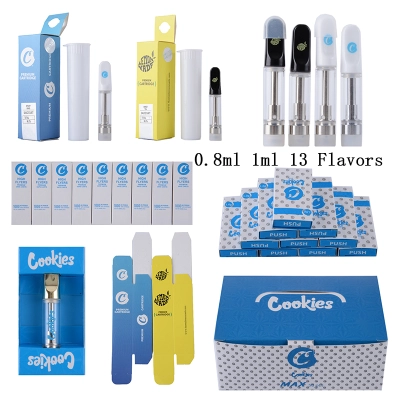
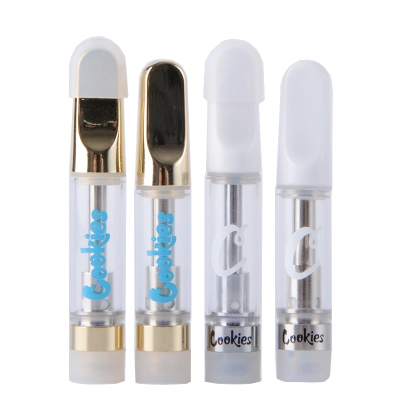
Brand aesthetics: V1/V2 and seasonal editions help shelf appeal—useful when rotating menus—so long as the internal spec stays identical.
-
B2B readiness: the best vendors provide cut sheets, AQL plans, and a responsive RMA path (≤2% functional defect target).
Reality check: Counterfeits remain common. Your protection is paperwork + serialization + intake testing, not the logo.
Authorization & authenticity (non-negotiable at BOFU)
-
Brand authorization: Obtain written permission for territory and product families. Keep entity names, license numbers, and expiry dates on file.
-
Serialization/QR: Carton-to-inner mapping, unique codes, and readable laser marks. Reject duplicate or dead codes.
-
Batch mapping: Every box → batch ID → your intake log. Photograph labels and maintain chain-of-custody notes.
Risk flags: unusually low pricing, no traceable codes, vague company registration, or “we don’t share reports” responses.
Compliance in 2025 (simple and correct)
-
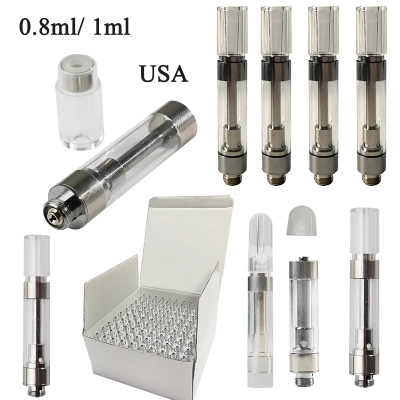
Empty hardware (no battery): prioritize materials compliance—current RoHS (including 2015/863 substances) and REACH/SVHC declarations for all wetted parts (mouthpiece, tank, center post, seals).
-
Powered disposables (battery inside): require UL 8139 (device electrical system safety) and UN 38.3 battery testing with a Test Summary; follow 2025 IATA Dangerous Goods rules for air moves (state of charge limits, marks/labels, and documentation).
-
Retail packaging (regulated states): child-resistant (CRP) and mandated symbols apply to finished, filled goods. Treat this as downstream readiness if you’re only buying empty shells now.
-
Transport robustness: validate outer cartons/inner trays with small-parcel simulation (drop, vibration, compression, temperature swings) to prevent damage-induced leaks.
Keep certificate versions and validity dates; align PO numbers, batch IDs, and documents so an audit can be passed in minutes.
Filling & performance (so your defect rate stays ≤2%)
-
Needle & flow: for viscous matrices, a 1.6–2.0 mm needle balances shear and fill speed; avoid fine needles that trap air or stress seals.
-
Thermal assist: light warming only; overheating spikes condensate and stresses O-rings.
-
Headspace & cap force: measure both during pilots; off-spec cap force correlates with transit seepage.
-
Battery pairing (510): start around 2.5–3.7 V (coil-dependent). Aggressive power curves increase flood/condensation risk; tune for climate.
Pilot protocol: 10–20 pcs per variant → 24–48 h upright/invert rest → one cold and one warm cycle → brief drop/vibration. Log leak/clog and sensory notes before scaling.
Landed-cost math (protect margin before you commit)
Landed $/unit = (Unit price + Freight + Compliance/Admin + Insurance + Taxes/Duties + Other fees − Discounts) ÷ Units
Model three tiers (e.g., 100/500/1000 units). You’ll often save more by hitting a free-freight threshold than by chasing a tiny unit discount. Bake your expected RMA (e.g., 1–2%) into margin planning and cash flow.
Example (illustrative):
| Qty | Unit Price | Freight/Unit | Compliance/Admin/Unit | Other | Landed $/Unit |
|---|---|---|---|---|---|
| 100 | 12.00 | 0.80 | 0.30 | 0.20 | 13.30 |
| 500 | 10.90 | 0.30 | 0.20 | 0.10 | 11.50 |
| 1000 | 10.40 | 0.00* | 0.15 | 0.05 | 10.60 |
*Assumes threshold triggers free freight.
Receiving SOP (copy/paste and run every time)
-
Counts & condition: verify pallet/box counts; photo any crush or tear.
-
Traceability: scan carton and inner-unit codes; reject duplicates.
-
Visuals: threads, seat flatness, O-rings present, finish defects—follow your AQL.
-
Pilot fill: 10–20 pcs; record fill mass/volume, headspace, and cap force/torque.
-
Stability check: 48 h upright/invert + cold/warm cycle; note leaks/clogs/condensate.
-
Quarantine & RMA: isolate failures, attach photos/video, trigger replacement per contract.
Target: ≤2% functional defects with replacement lead times agreed in writing.
What “good” looks like in a spec sheet
-
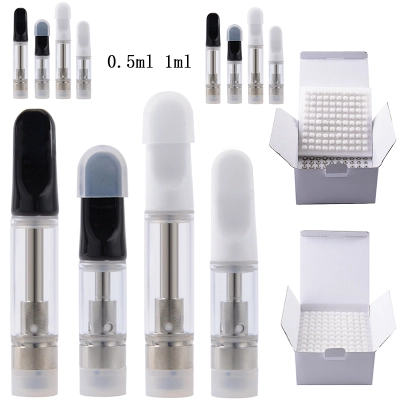
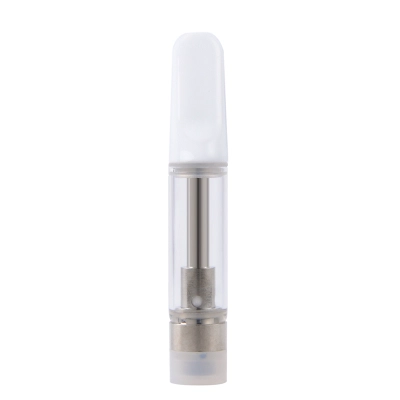
Capacity: 1.0 mL nominal (often labeled 1000 mg).
-
Heater: ceramic core (FeCrAl or SS316L element).
-
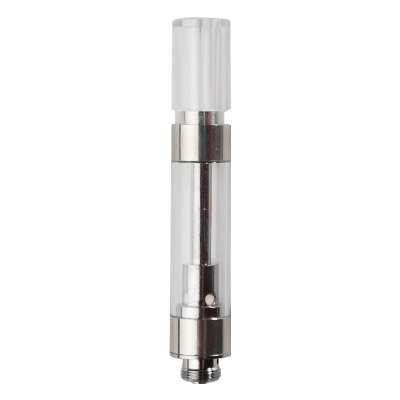
Materials: borosilicate glass or high-grade PCTG tank; stainless wetted metals; food-contact seals.
-
Fill/close: top-fill; screw or snap cap with initial and re-cap force targets.
-
Sealing: dual/triple O-rings; defined negative-pressure cavity.
-
Battery: 510 thread; voltage window disclosed; airflow notes included.
10-point BOFU checklist (green-light the PO only if all “yes”)
-
Written brand authorization for your territory.
-
Current RoHS/REACH for all wetted parts, with model numbers.
-
Cut sheet lists cap force, O-rings, tolerances, and recommended battery window.
-
AQL plan with acceptance numbers and visual defect catalog.
-
Serialization/QR plan; carton↔inner mapping.
-
Pilot protocol documented; pass/fail thresholds defined.
-
48 h leak/clog results logged; cold/warm and minor drop/vibration passed.
-
RMA terms: defect definition, ≤2% cap, turnaround, evidence workflow.
-
Freight terms & thresholds; insured transit.
-
If powered: UL 8139 and UN 38.3 Test Summary ready; 2025 IATA labeling/SoC rules understood.
FAQs (the last mile questions your team will ask)
Q1: Is packman vape safe to stock as empty hardware?
Yes—when the vendor supplies current materials compliance and your intake tests show clean sealing. Safety depends on documentation plus execution.
Q2: What’s the fastest way to cut leaks by half?
Control cap force and headspace, use the 1.6–2.0 mm filling needle for viscous oils, and run a 48 h upright/invert screen on every lot.
Q3: Do I need UL 8139 and UN 38.3 for empty parts?
No. Those apply once a battery is in the assembly (powered disposables/AIO). Empty hardware focuses on materials compliance and packaging robustness.
Q4: What defect target is realistic?
≤2% functional defects with replacements issued promptly. If your lot exceeds that, pause reorders and complete a joint root-cause.
Q5: How do I avoid counterfeits?
Buy only with authorization letters, require serialization/QR with batch mapping, reject duplicate or dead codes, and avoid outlier pricing.
Bottom line
Packman vape can be a high-performing, brand-forward choice at BOFU—if you lock in authorization, batch-level authenticity, current compliance, and a crisp RMA. Run the checklist, pilot every lot, and model landed cost before you wire funds. That’s how you secure margin, protect your license, and deliver repeatable quality in 2025.
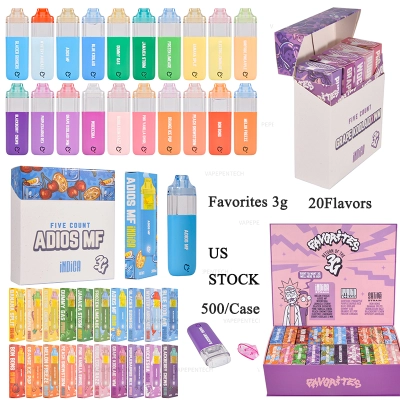
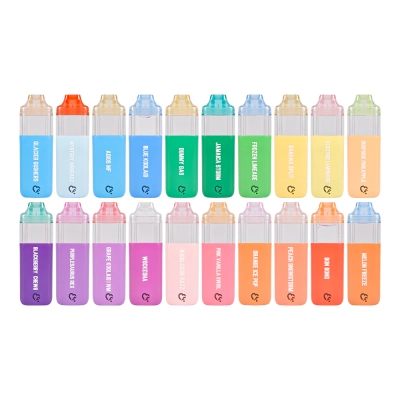
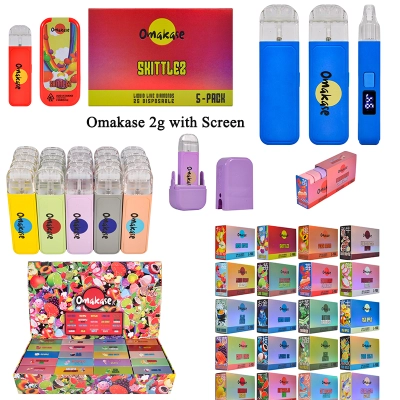
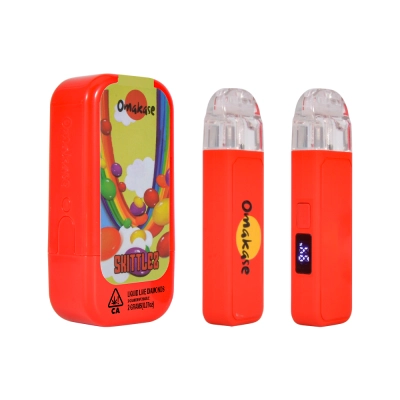
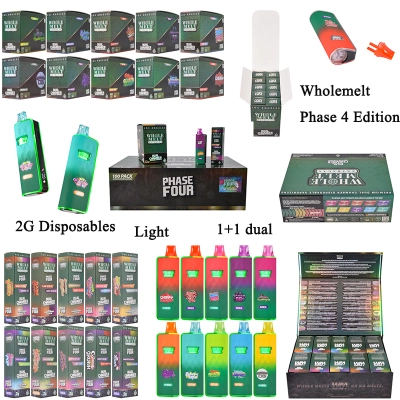
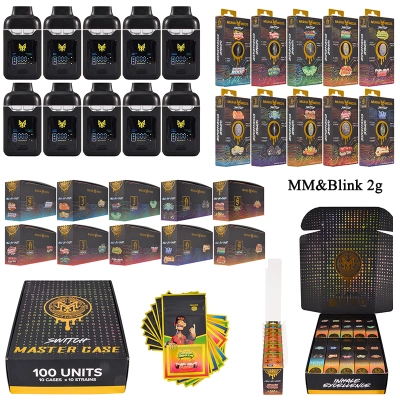
Finally, if you wanna know more disposable vape with screen, pls go to packman vape,packman disposable wholesale, packman 2g disposable bulk 2g disposable vape





0 Comments