

This article helps you decide whether a Packman-style dual-chamber vape fits your needs—and how to store, handle, and lightly troubleshoot it without risky hacks. It follows the same structure as our “Safe, Non-Invasive Fixes” article and keeps advice brand-agnostic. Specs can vary by model or batch, so always confirm with the product sheet before purchasing.
Key Takeaways
-
Store and handle smart: Keep your Packman device upright, in a cool, dark, dry place; separate the device from other metal objects when not in use.
-
Fix the easy stuff first: Use non-invasive methods—hand-warm at room temperature, upright rest, external dry cleaning of the mouthpiece—to address minor clogs or weak hits.
-
Buy like a pro: For Packman-style dual-chambers, verify chamber switching, airflow design, coil type, battery capacity/charging, and after-sales support. Avoid absolute claims; rely on documentation and batch labels.
Store Packman Vapes Safely
Upright Positioning
Dual-chamber devices benefit from mouthpiece-up storage. Upright positioning helps concentrates settle toward the intake ports, which supports consistent wicking and reduces gurgle or seepage into airflow paths.
How to do it: keep the device in its retail tray or a vertical slot case. For daily carry, use a small hard-shell organizer so the mouthpiece isn’t pressed or bent in a pocket or bag.
Temperature and Light
Heat thins oil and increases the chance of seepage; cold thickens it and can starve the core. Aim for stable room temperature (roughly 59–75°F / 15–24°C), low humidity, and no direct sunlight.
Practical picks: a drawer or cabinet away from windows and appliances; an opaque pouch for travel. Do not leave the device in hot cars or on cold windowsills.
Separation from Battery / Metals
Even if the Packman device is integrated and rechargeable, don’t store it pressed against keys/coins that could stress ports or buttons. When charging, place it on a hard, non-flammable, supervised surface and avoid soft furniture or flammable clutter. If your version uses swappable carts/pods, store spares upright in their tubes.
Non-Invasive Fixes and Troubleshooting
Preventing Leaks
Most seepage stems from temperature swings, rough handling, or loose parts. Build low-risk habits:
-
Keep the device upright and avoid leaving it in hot or freezing environments.
-
Wipe exterior only (threads, mouthpiece rim) with a dry, lint-free cloth; keep ports clean and dry.
-
If your Packman variant has a removable tip, seat it snug, not overtight.
-
Use viscosities the maker recommends for the installed coil type.
If a seep appears: dry-wipe, stand upright in a cool spot, and re-check later. Skip invasive steps that push liquid deeper into the device.
Gentle Unclog Methods
For tight draws or first-puff dryness, start with non-destructive steps:
-
Hand-warm at room temperature for 1–2 minutes to soften thick oil naturally.
-
Upright rest (mouthpiece up) so oil can return to intake ports.
-
If the mouthpiece is user-removable by design, lift it and dry-clean only (no liquids) with a soft swab; avoid pushing tools down internal airways.
-
Do a dry draw test (no power): airflow should feel smooth. If clear, reattach/activate and take a brief, gentle puff.
Avoid: hairdryers, open flames, soaking, alcohol flushes, blowing into charging ports, or poking with metal picks.
Common Mistakes to Avoid
-
Leaving the device in cars, on radiators, or windowsills.
-
Charging unattended or on soft/flammable surfaces.
-
Over-tightening parts or forcing cross-threads.
-
Attempting “quick fixes” that involve heat guns, water, or alcohol.
-
Long-term storage attached to other devices that could press the mouthpiece or ports.
Packman MOFU Buyer’s Guide (What to Verify Before You Buy)
1) Chambers & Switching
The appeal of Packman-style devices often lies in dual chambers (e.g., two flavors/strains). Verify:
-
Switching method: button vs. draw-select; is there a clear indicator for active chamber?
-
Isolation: does inactive chamber stay sealed (less cross-bleed)?
-
Consistency: do both chambers deliver similar draw resistance and vapor density?
2) Heating & Airflow
Look for porous ceramic cores or equivalent modern heaters for even thermal behavior. Ask about:
-
Air path design: is it straight and wide enough for smooth draws?
-
Preheat options: gentle preheat can help viscous oils without burning.
-
Clog resistance: any anti-condensate or anti-flooding features?
3) Battery & Charging
Confirm battery capacity (mAh), power delivery, and port type (commonly USB-C). Good practice:
-
Charge on a hard, non-flammable surface, in sight.
-
Stop using/charging if you notice excess heat, swelling, or odor.
-
Prefer devices with charge indicators and over-current protections.
4) Build & Materials
Check that the mouthpiece seats firmly, the chassis doesn’t flex under light pressure, and the finish resists pocket wear. If you’re sensitive to metals or coatings, choose models that state housing and contact materials clearly.
5) Fit, Finish & Batch Labels
Small differences happen across batches. Favor units with legible lot/batch codes, consistent branding, and clean machining at the 510 interface (if present). Keep the box or label photo for support.
6) Documentation & After-Sales
MOFU is about risk reduction:
-
Scan the insert or quick-start guide for care, storage, and charging instructions.
-
Check warranty or seller support terms.
-
If the kit includes swappable carts/pods, confirm authenticity markers and compatible replacements.
Packman Care & Storage SOP (One-Page Habit List)
-
Daily
-
Store upright, away from heat and sun.
-
Wipe exterior mouthpiece/port dry only.
-
Pocket carry? Use a hard-shell case; avoid tight jeans that press the mouthpiece.
-
Charging
-
Hard, non-flammable, supervised surface only.
-
Unplug when complete; never charge under a pillow, on a couch, or near liquids.
-
If abnormal heat/odor appears, stop and isolate the device.
-
Minor Issues
-
Hand-warm at room temp → upright rest → external dry clean → dry draw test → brief gentle puff.
-
Skip invasive hacks; if problems persist, contact the seller with batch info and photos.
-
Storage/Travel
-
Keep spares upright in tubes or vertical slots.
-
Separate from metal items (keys/coins).
-
Lock away from children/pets; use child-resistant boxes where possible.
Summary & Next Steps
A Packman-style dual-chamber device can be a convenient, flavorful option—if you store it correctly and handle minor issues with non-invasive methods. Upright storage, stable room temperature, and clean, dry mouthpieces go a long way toward preventing clogs and seepage. Before you buy, verify chamber switching, heater type, airflow design, battery/charging details, build quality, and documentation. Keep lot labels and follow a simple care SOP.
Action items for MOFU readers:
-
Try a single unit first; take notes on draw, flavor, and chamber switch consistency.
-
If satisfied, step up to a small multi-order and repeat the storage/care routine.
-
Build a quick care card for your household or retail counter (upright, cool/dark, dry; gentle fixes only; safe charging).
FAQ
Does dual-chamber mean double vapor?
Not necessarily. It means two separate fills you can switch between. Performance still depends on airflow design, coil, and power settings.
How do I fix a tight draw without taking anything apart?
Hand-warm briefly, stand upright, dry-clean the mouthpiece only, and test a dry draw. If airflow clears, try a short, gentle puff.
Is it okay to leave my Packman charging overnight?
Best practice is supervised charging on a hard, non-flammable surface. Unplug when finished.
Why do some units leak in hot weather?
Heat reduces viscosity and can push oil into airflow paths. Store and carry in cooler, shaded environments and keep the device upright.
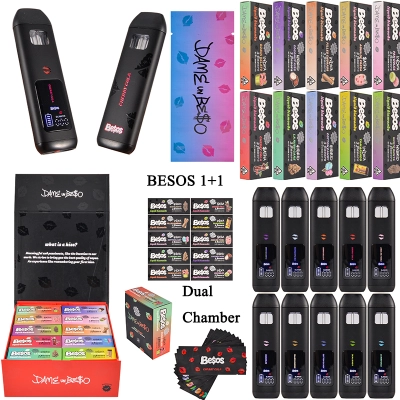
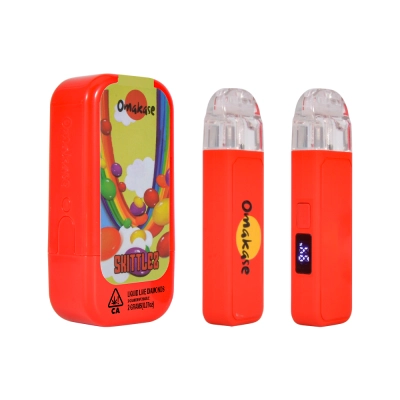
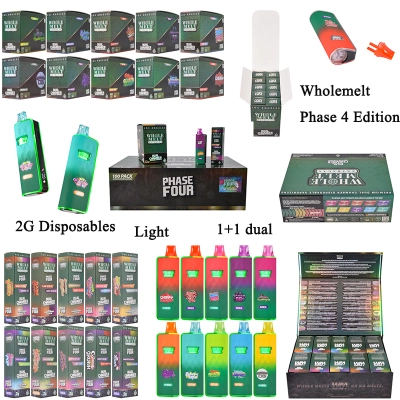
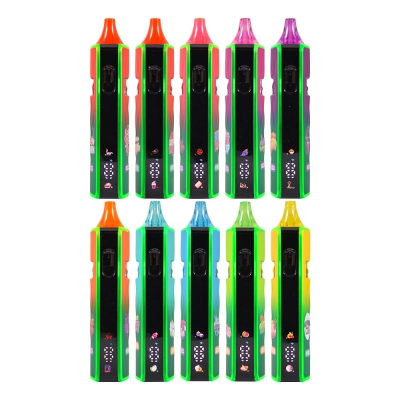
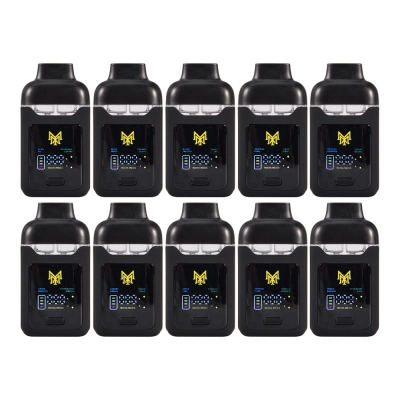
Finally, if you wanna know more disposable vape with screen, pls go to packman vape,packman disposable wholesale, packman 2g disposable bulk 2g disposable vape

















0 Comments