
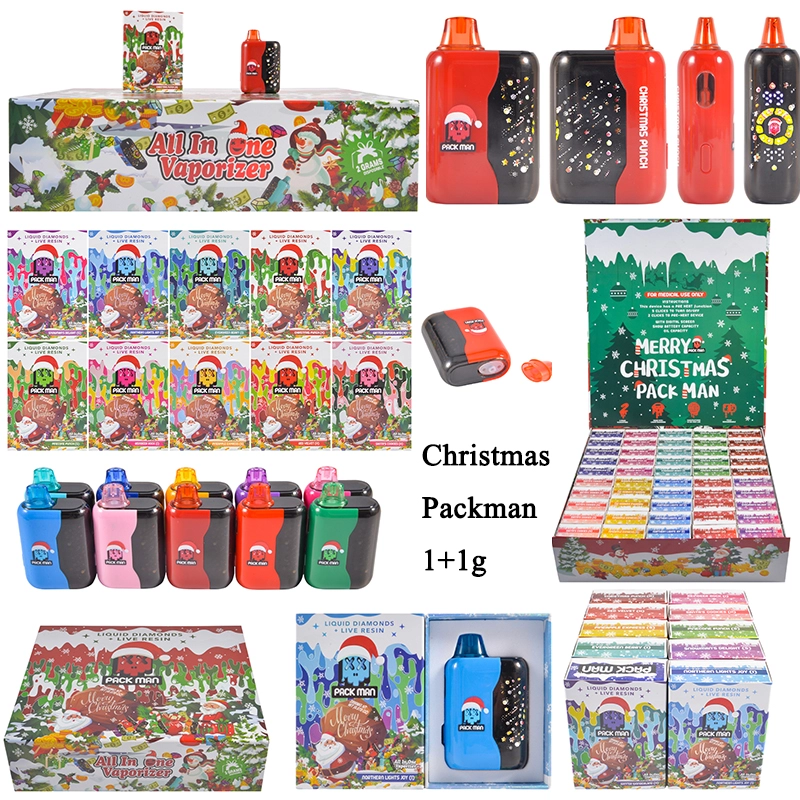
When you bring a new Packman 2G empty disposable into your lineup, the riskiest decision is the first “real” purchase order. A handful of pretty samples are not enough. You need a structured pilot run and a simple way to decide: approve, approve with conditions, or reject. The cleanest way to do this is to grade the pilot on five KPIs that speak directly to B2B reality: leaks, draw consistency, cosmetic quality, build/fit, and supplier discipline.
This article looks only at empty hardware—no oil, no THC, no nicotine. The focus is on whether the Packman 2G shell, assembly, and QC are strong enough to carry your brand, your white-label program, or your wholesale business.
Why a Packman 2G Pilot Is Non-Negotiable
Packman 2G-style devices are typically high-visibility flagships: bold design, larger body, and strong shelf presence. If the hardware fails, it is not a quiet failure; it is a front-of-house disaster.
A pilot run:
-
Tests real production, not showroom samples.
-
Shows how the supplier behaves under actual volume and timing.
-
Gives you measurable data instead of “looks good” guesswork.
The trick is to convert that data into go/no-go decisions using five clear KPIs.
KPI 1: Leak and Condensation Rate
For any disposable, but especially Packman 2G, leaks are a zero-tolerance issue. Even though you are buying empty hardware, pilot units should be put through a basic leak-risk screen (with your own filling process or inert test liquid in a controlled environment).
Key checks:
-
Visible leakage at seals, mouthpiece, or base.
-
Persistent condensation paths that signal poor vapor/condensate management.
-
Behavior under orientation changes and short storage (for example, on side, upside down).
How to use this KPI:
-
Define a critical defect rate for leaks (for many teams, this is effectively 0% in the sample).
-
If any catastrophic leaks appear, the lot is a No-Go; the design or process needs work.
-
Minor condensation that does not progress may be acceptable but must be understood and monitored.
If Packman 2G cannot clear the leak KPI in pilot, you should not scale. Leaks destroy brand trust faster than almost any other defect.
KPI 2: Draw and Performance Consistency
Packman 2G devices are often marketed as a “premium experience.” That promise only holds if draw feel is consistent from unit to unit. As empty hardware, you still have control over the factors that determine draw: air inlets, internal channel geometry, heater design, and assembly tolerances.
For the pilot, check:
-
Average draw tightness across a random sample.
-
Variation between units: any obviously tight or airy outliers?
-
Activation behavior if your design uses draw-activation electronics.
How to use this KPI:
-
Define a draw band (for example: “medium-tight MTL feel”) and reject units that sit far outside.
-
If 1–2 units in a large pilot feel slightly different but still usable, you might approve with an action plan.
-
If the sample shows wide spread—some uncomfortably tight, some too airy—the platform is not under control.
Draw is what the user feels immediately. If the pilot cannot deliver a stable draw profile, Month-1 excitement will turn into Month-12 complaints.
KPI 3: Cosmetic Quality and Surface Defects
Packman 2G’s large panels and bold faces make cosmetic quality highly visible. Scratches, sink marks, color shifts, and misaligned seams are tremendously obvious in this format.
In pilot inspection:
-
Grade major defects: deep scratches, large gaps, serious color mismatch, cracked windows.
-
Grade minor defects: light scuffs, tiny specks, small flow lines that most users will ignore.
-
Inspect branding faces and edges where labels or printing will go.
How to use this KPI:
-
Set separate thresholds for major and minor defects.
-
If major defects appear above your tolerance, treat that as a No-Go or “retry pilot after corrective action.”
-
If only minor defects appear, decide whether they are acceptable at your price point and market segment.
Cosmetics do not change safety, but they absolutely change perceived quality and your ability to charge premium pricing.
KPI 4: Build, Fit, and Structural Integrity
Under the bold exterior, Packman 2G still lives or dies by fit and structure:
-
Mouthpiece fit (snap-fit or threaded) and closure depth.
-
Alignment of internal components (heater assembly, reservoir, air channels).
-
Structural rigidity: no creaking, flexing, or rattling under normal squeeze.
In the pilot, perform:
-
Simple mechanical stress: gentle squeezes, torsion, and drop tests on sample units.
-
Mouthpiece removal/installation checks where applicable.
-
Fit checks with your chosen battery, if the design uses modular components.
How to use this KPI:
-
If you see loose mouthpieces, misaligned internals, or noticeable flex that threatens seal integrity, mark this as a serious risk.
-
A small number of cosmetic squeaks might be tolerable; structural mismatches are not.
A Packman 2G that looks premium but feels hollow or flimsy undercuts your entire brand story.
KPI 5: Supplier Process and Documentation Discipline
The fifth KPI is not about the plastic or metal; it is about the factory behind them. Even if the parts look good today, can the supplier:
-
Provide basic material and component information?
-
Show inspection records for the pilot lot?
-
Explain how they keep future lots aligned with the pilot (fixtures, CTQs, sampling)?
-
Describe their change-control process for any future tweaks?
How to use this KPI:
-
If the pilot goes well but the supplier cannot explain or document their process, you are relying on luck.
-
Look for clear answers on tolerances, inspection frequency, and how deviations are handled.
-
A supplier that treats your pilot seriously is more likely to treat your long-term business seriously.
For Packman 2G, with higher visibility and more complex body geometry, supplier discipline is as important as the plastic itself.
From Pilot Data to Approve/Reject Decisions
Once the pilot is done, do not fall back on “feels fine.” Put each KPI into a simple traffic-light view:
-
Leak / Condensation: Green / Yellow / Red
-
Draw Consistency: Green / Yellow / Red
-
Cosmetic Quality: Green / Yellow / Red
-
Build & Fit: Green / Yellow / Red
-
Supplier Discipline: Green / Yellow / Red
A device with mostly green and one honest yellow (with a corrective plan) can move to controlled scale. A device with red on leaks, draw, or structural issues should be stopped, even if the price looks tempting. When your Packman 2G pilot is evaluated through these five KPIs, “approve or reject” becomes a rational decision—not a gamble based on a few pretty samples.




0 Comments