
1) Metrics That Predict Fewer Returns (and Better Reviews)
A. First-10-Puff Quality
What to measure: percentage of sampled units that deliver smooth, consistent vapor without preheat fiddling or harshness.
Why it matters: new customers decide in the first minute; rough starts kill repeat purchase.
B. Post-Transit Leak Rate
What to measure: leaks per 100 units after heat/cold cycling and a simulated shipping vibration.
Why: pocket mess equals returns; a small reduction at scale materially lowers credits and swaps.
C. Runtime to Near-Empty
What to measure: median number of charge top-ups required for typical use to finish 2 g.
Why: “dies at half” is the most common consumer complaint for rechargeable disposables.
D. Clog Resolution Incidence
What to measure: proportion of units needing any clog-clear action during the first week on shelf.
Why: staff time and customer frustration both spike when clog scripts become routine.
E. Early Failure/DOA
What to measure: percent of units that fail to activate, won’t charge, or show electrical faults out of box.
Why: DOA is pure margin erosion and bad word-of-mouth.
2) Engineering Inputs Retailers Should Validate
-
Intake geometry: count/diameter/placement sized for your most viscous SKUs.
-
Ceramic thermal profile: stable resistance window; even heat to prevent hot spots.
-
Power system: USB-C rechargeability with protections for short-circuit, over-charge, and over-discharge; output tuned to preserve flavor.
-
Seal stack: consistent gasket compression and mouthpiece torque; minimal headspace weep after cure.
3) Documentation That Speeds Audits and Reduces Friction
Ask vendors for a packet you can store with your category files:
-
Exploded views & dimensions plus recommended fill temperature, volume, and soak/cure window
-
Safety statements for battery/device and transport test summaries for cells/packs
-
Assembled-unit materials/heavy-metal results for oil-contact parts
-
QC regimen: pressure/air-tightness method, thermal/drop/vibration, acceptance levels (AQL), and RMA/CAPA terms
-
Packaging map: zones for warnings, batch IDs/QRs, and your serialization label
Retail compliance is getting stricter; paperwork is part of the product.
4) Store-Level Playbook: A/B Your Muha-Style Candidates
-
Sample size: 300–500 units per candidate.
-
Process: fill, cure/soak; stress ship; stock across representative doors.
-
Track five KPIs: first-10-puff success, post-transit leaks, runtime to near-empty, clog resolution incidence, and early failure rate.
-
Decision gate: approve only if the candidate meets or beats your current device on all five.
-
Lock spec: require change control; retain golden samples; set incoming inspection tolerances (resistance, finish, torque).
5) Assortment Strategy for Retailers
-
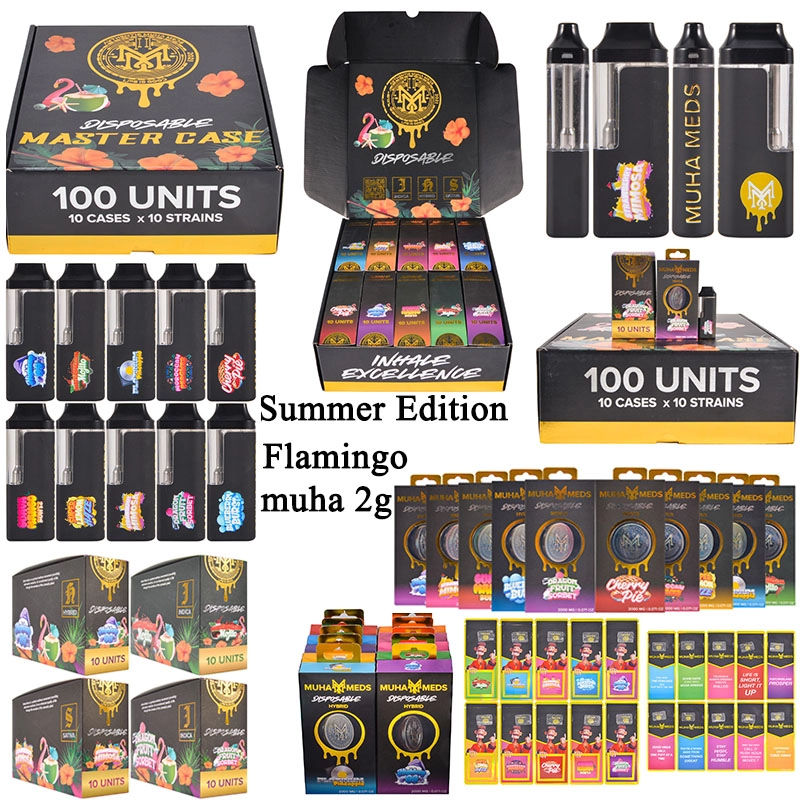
Core Muha-Style 2G: mainstream price; balanced intake; broadest appeal.
-
Premium Variant: upgraded finish or screen/preheat; same intake/battery backbone to keep QC simple.
-
Value Tier: simplified finish; same oil-path fundamentals; protects entry price points without inviting leaks.
Keep the intake + ceramic + runtime backbone identical across tiers so customer experience stays consistent while price optics vary.
6) Red Flags: When to Walk
-
Prefilled offers or ambiguous brand authorization.
-
Generic PDFs not tied to the exact SKU or recent production.
-
Drift in resistance, color/finish, or port geometry between samples and pilot lots.
-
Lack of air-tightness method, no AQL numbers, or no RMA terms.
-
Packaging layouts that crowd warnings or leave no room for serialization.
7) Bottom Line
A Muha-style platform “wins retail” when it scores high where it counts: first-10-puff quality, post-transit leak control, runtime to near-empty, low clog incidence, and minimal DOA—all backed by documentation your auditors accept. Measure those five, pilot them across a few doors, and lock the spec that keeps customers—and your margins—coming back.





0 Comments