

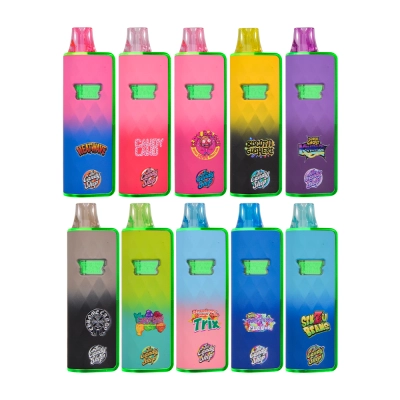
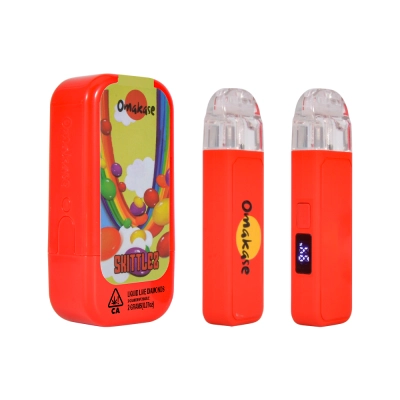
“Muha Meds” is widely used as shorthand for 2-gram, rechargeable, ceramic-heated empty disposables that new and returning customers recognize on shelf. For distributors, the opportunity is real—but only if the hardware is spec-tight, the documentation is audit-ready, and the supply is consistent across quarters.
1) What the Market Expects in 2025 (Hardware Realities)
-
Thick-Oil Readiness: Larger, well-placed intake ports and smooth oil paths are table stakes for live-resin/rosin-leaning fills.
-
Smooth First Puff: Medium draw resistance + even ceramic heat minimize early dry hits and support repeat purchase.
-
Runtime That Matches 2G: Cells and output curves must realistically finish the tank under normal use; USB-C is now default.
-
Leak Discipline: Seal stack and mouthpiece fit are decisive; buyers judge brands by pocket cleanliness as much as flavor.
-
Traceability: Batch IDs/QR placement and clean packaging planes make compliance checks faster for retailers.
2) Why Distributors Choose Muha-Style Platforms
-
Conversion at Shelf
Recognizable silhouette and brandable planes deliver quick comprehension for new users while leaving room for clear warnings and batch IDs. -
Lower Cost-to-Serve
Fewer clog-clear scripts and battery-dies-early complaints reduce return handling and retailer friction. -
Planogram Stability
Mature programs enforce mold/BOM control so Month-12 feels like Month-1—key to repeat behavior and predictable replenishment.
3) Risk Management: The Three Lines of Defense
A. Documentation
-
Exploded views, intake specs, resistance, and recommended fill/cure window
-
Battery/electrical safety statements; transport test summary for cells/packs
-
Assembled-unit materials/heavy-metal tests for oil-contact components
B. QC Evidence
-
Air-tightness/pressure method, thermal cycling, drop/vibration data
-
Stated AQL targets for DOA/leak; RMA/CAPA terms in writing
C. Traceability
-
Batch/lot coding on cartons (and optionally devices)
-
Packaging map with zones for warnings and serialization
4) How to Onboard a Muha-Style Platform (Distributor SOP)
-
Identity & Legitimacy
Verify legal entity, factory capability, and nominative boundary: empty hardware only; no prefilled offers. -
Technical Dossier in 24 Hours
If the SKU is mature, the packet should be ready: drawings, specs, safety summaries, materials tests. -
Pilot Fill & Stress Ship
300–500 units, your oil, real temps; cure/soak, then cycle heat/cold and ship. Track leaks, clogs, first-10-puff behavior, and runtime to near-empty. -
Score Against Baseline
Approve only if leak/DOA and complaint ratios meet or beat your current platform. -
Freeze Spec & Plan Scale
Lock molds/BOM; set MOQs and lead-time tiers for 5k/10k/50k/100k+. Define EOL/change-control rules up front.
5) Segmentation & Assortment Strategy
-
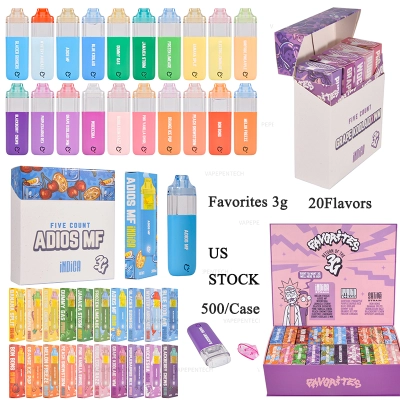
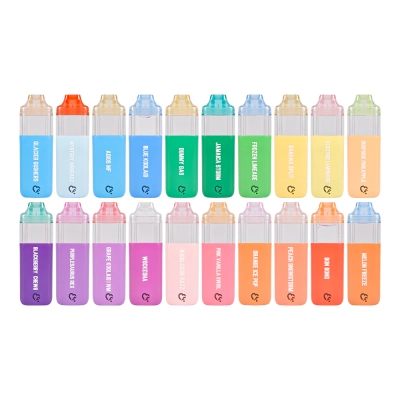
Core 2G Device: mainstream price, balanced intake, broadest appeal.
-
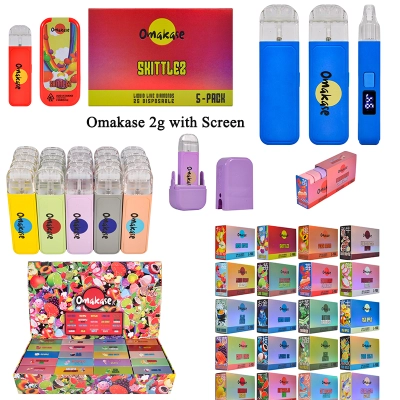
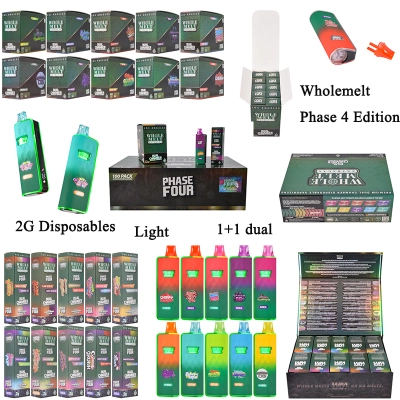
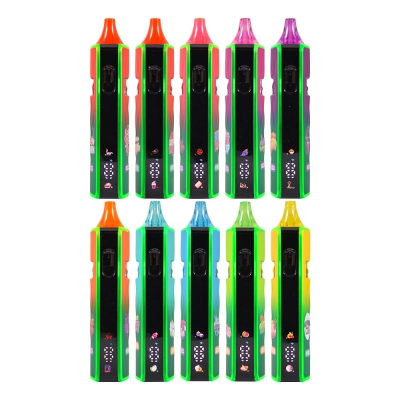
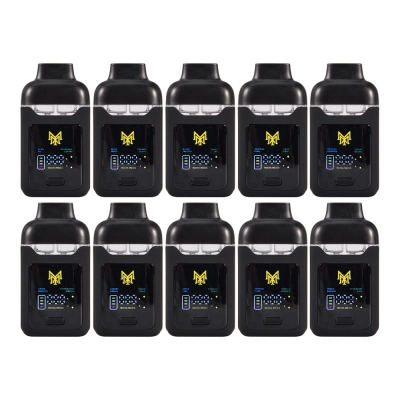
Premium Variant: upgraded finish, optional screen/preheat; higher margin for top doors.
-
Value Device: simpler finish, same intake/battery baseline; protects price-sensitive retailers without sacrificing QC.
Maintain one oil-compatibility backbone across tiers to simplify filling, forecasting, and training.
6) Red Flags That Warrant a Hard Pass
-
Prefilled pitches or ambiguous brand authorization
-
Generic PDFs not tied to the exact SKU or recent production
-
Color/finish/resistance drift between samples and first pilot lot
-
No air-tightness/pressure method, no AQL numbers, or no RMA terms
-
Packaging that crowds warnings or leaves no space for serialization
7) Distributor FAQ
Q: Why do some 2G devices still leak after transit?
A: Headspace management, gasket compression, mouthpiece torque, and cure window are decisive. Demand the method—and test it.
Q: What’s the single fastest predictor of field success?
A: First-week complaint rate after stress shipping a pilot. If it beats your baseline, the platform is worth scaling.
Q: How do I protect against spec drift?
A: Written change control, golden samples, and incoming inspection with resistance/finish tolerances.
8) Bottom Line
Muha-style empty hardware wins when it performs like a system: intake + ceramic + runtime + seals + paperwork. As a distributor, you’re not just buying a shell—you’re buying lower return rates, faster audits, and a repeatable shelf experience. Pilot it, document it, lock it, and scale with confidence in 2025.








0 Comments