
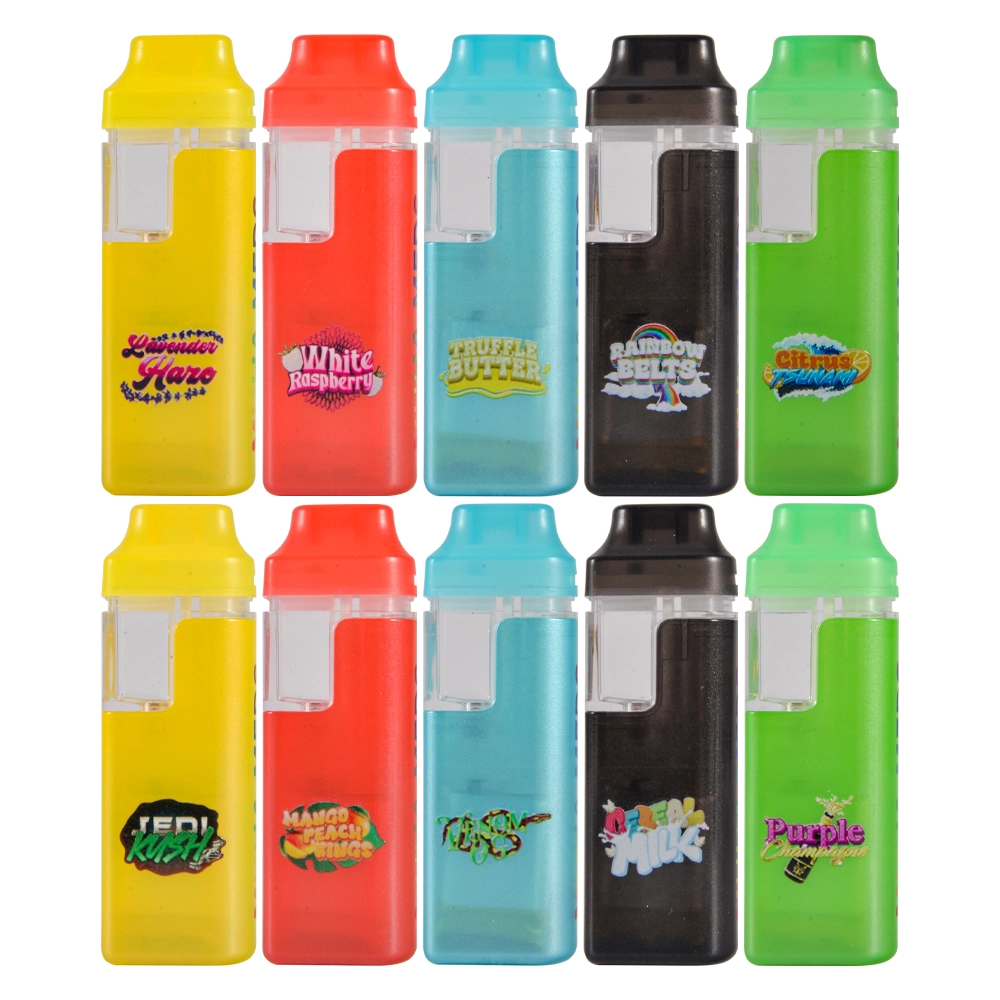
Context & Goal
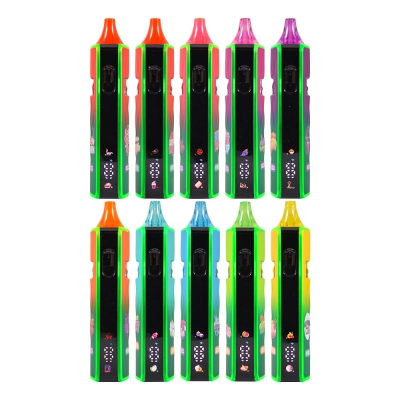
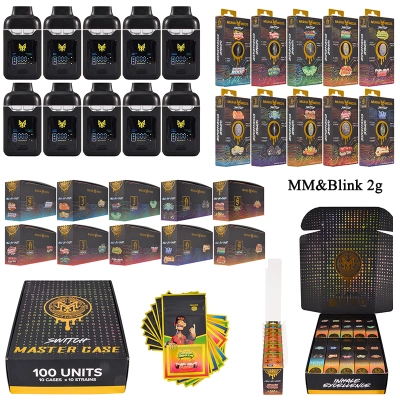
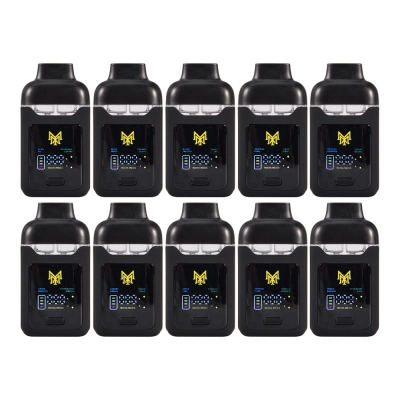
You already know Muha-style 2 g empties move units. Mid-funnel is where you decide which chassis earns shelf space for six to twelve months. This review focuses on the measurable performance and operational signals that predict sell-through with minimal service load—no oil, no cannabinoids, no finished goods.
What “Fit” Means for Retailers (Five KPIs)
-
First-10-Puff Quality – % of sampled units delivering smooth, consistent vapor without preheat tricks.
-
Post-Transit Leak Rate – leaks per 100 units after heat/cold cycling and vibration/drop.
-
Runtime to Near-Empty – median charge top-ups required to finish 2 g.
-
Clog-Resolution Incidence – % of units needing any intervention in week one.
-
DOA/Early Failure – activation/charging faults out of box.
Devices that score high on these five generate repeat purchase and reduce credits, swaps, and customer-service minutes.
Engineering Drivers Behind Those KPIs
-
Intake Geometry: Multiple, well-placed ports sized for viscous matrices; short, smooth channels lower back-pressure.
-
Ceramic Heat & Output Curve: Even distribution prevents hot spots; conservative output protects terpenes late in the tank.
-
Battery & Protections: A right-sized cell with USB-C and integrated safeguards completes the reservoir under typical use.
-
Seal Stack: Controlled gasket compression + predictable mouthpiece torque curb headspace weep after cure and shipping.
-
Finish & Draw Feel: Abrasion-resistant coatings and a smooth, quiet draw correlate with lower complaint ratios.
Fit Matrix (Decide in 30 Seconds)
| Indicator | Good Fit | Borderline | Misaligned |
|---|---|---|---|
| First-10-Puff | ≥95% success | 90–94% | <90% |
| Post-Transit Leaks | ≤1.0/100 | 1.1–2.0/100 | >2.0/100 |
| Runtime to Near-Empty | ≤1 top-up typical | 2 top-ups | 3+ top-ups |
| Clog Incidence (wk1) | ≤2% | 2–4% | >4% |
| DOA | ≤0.5% | 0.6–1.0% | >1.0% |
Approve only if you’re in the Good Fit column or you have a clear corrective action that moves the needle.
Documentation & Compliance (Audit-Speed Matters)
-
Exploded views & dimensions with intake specs and resistance window
-
Filling SOP – temperature, safe-fill line, headspace target, soak/cure window
-
Safety statements for battery/device; transport test summaries for the cell/pack
-
Assembled-unit materials/heavy-metal results for oil-contact components
-
QC regimen – pressure/air-tightness method, thermal/drop/vibration, AQLs, RMA/CAPA
-
Packaging map – fixed zones for warnings, batch IDs/serialization
If a vendor can’t provide this compact packet for a mature SKU, your onboarding will stall later—count on it.
Assortment Strategy (Keep the Backbone, Vary the Finish)
-
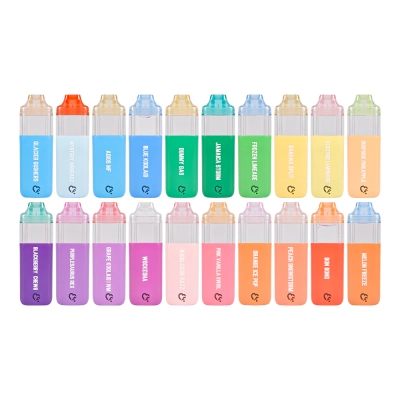
Core 2 g Device: mainstream price, balanced intake/airflow, broadest appeal.
-
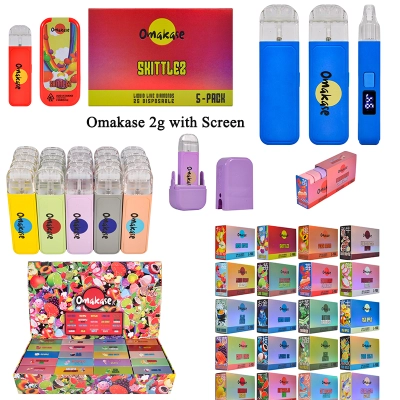
Premium Variant: upgraded finish or optional preheat/screen; same intake/battery backbone to keep QC simple.
-
Value Tier: simplified finish without sacrificing oil-path fundamentals; protects entry price points.
One hardware backbone across tiers simplifies filling, forecasting, training, and support scripting—your repeat-purchase engine.
Pilot & Rollout Plan (A/B with Your Current Device)
-
Sample size: 300–500 units per candidate.
-
Fill & cure: follow vendor guidance precisely; record first-10-puff data.
-
Stress ship: heat/cold cycles and vibration/drop across representative lanes.
-
Track the five KPIs for one week in-store.
-
Decision gate: approve only if the Muha-style candidate meets or beats your current platform on all five.
-
Freeze spec: lock molds/BOM; set incoming inspection tolerances (resistance, finish, torque).
-
Plan replenishment: MOQs and lead-time tiers (5k/10k/50k/100k+); EOL/change-notice policies in writing.
Red Flags (Kill the Deal Fast)
-
Prefilled pitches or fuzzy brand authorization.
-
Generic PDFs not tied to the exact SKU or current production.
-
Resistance/finish/intake drift between samples and first pilot lot.
-
No pressure-test method; no AQL numbers; vague RMA terms.
-
Packaging that crowds warnings or leaves no room for serialization.
Commercial Takeaways
A Muha-style platform is a fit when it wins on:
-
First-10-puff quality (conversion driver)
-
Leak discipline (credit driver)
-
Runtime sufficiency (review driver)
-
Low clog & DOA (service driver)
-
Paperwork completeness (audit driver)
Pick the chassis that beats your baseline on those fronts, lock the spec, and let a consistent hardware backbone power your sell-through for the next two to three quarters.







0 Comments