
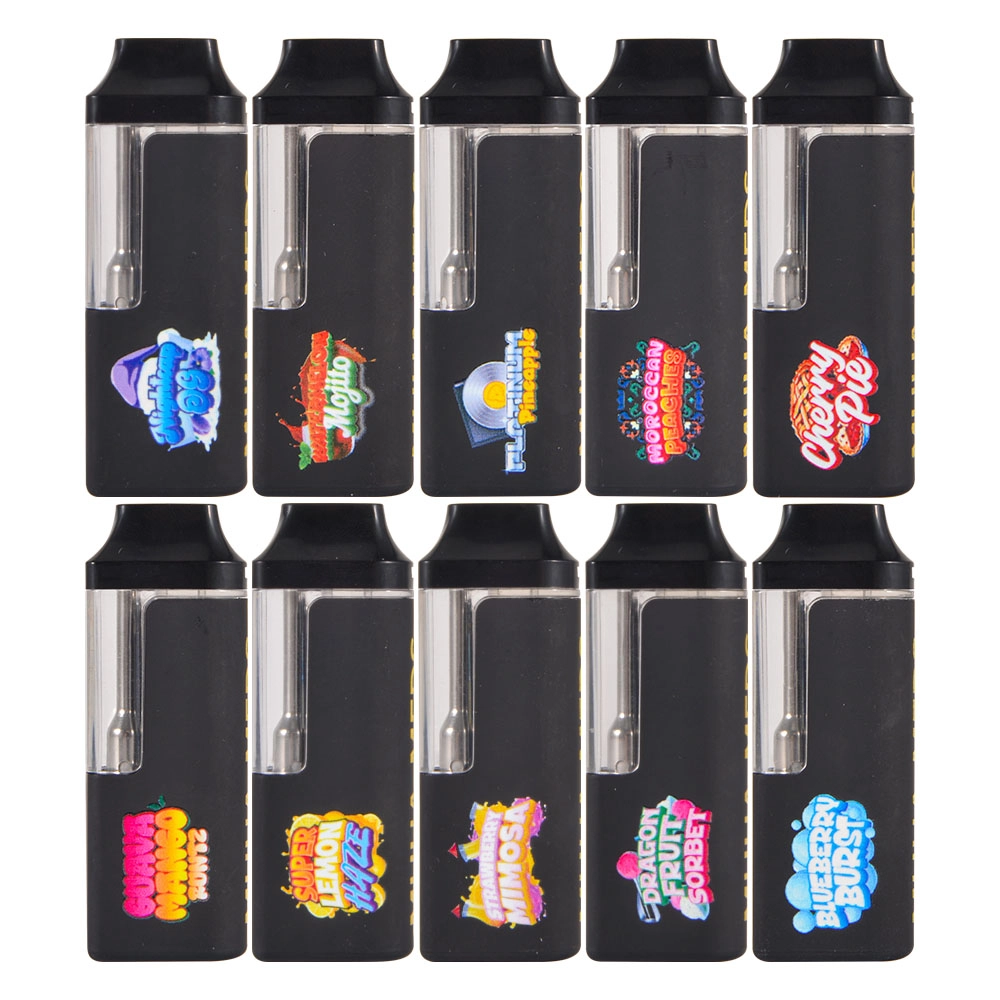
As regulators, retailers, and corporate buyers ask tougher questions about materials, a simple “spec sheet” is no longer enough. For Muha 2G empty pods and disposables, serious B2B buyers increasingly expect a compliance packet—a structured file that shows what the assembled unit is made of, how key materials have been evaluated, and how changes are controlled over time. This is especially important when the same hardware is sold into multiple regions with different expectations.
What Is a Muha 2G Compliance Packet?
Think of the compliance packet as the “passport” for your empty hardware. A good one includes:
-
A bill of materials for the assembled unit.
-
Materials test data for key components.
-
Restricted-substance and hazard screening summaries.
-
If batteries are present: evidence of transport and safety testing.
-
A basic risk assessment and a change history.
The packet doesn’t have to be extravagant, but it should be orderly, current, and consistent.
Materials Mapping and Bills of Materials
Everything starts with a BOM and materials map:
-
Identify all components: mouthpiece, body, seals, internal path parts, contacts, electronics, cell (if any).
-
For each, record the material family: plastic type, elastomer type, metal type, coating type.
-
Flag components with mouth contact or liquid contact as higher-priority for deeper evaluation.
This map lets customers see where potential risks might exist and which tests apply to which parts.
Restricted Substances and High-Concern Chemicals
Modern compliance conversations often revolve around “what is not in the product” as much as what is. For empty Muha 2G hardware, that usually means:
-
Screening for heavy metals in solders and metallic parts.
-
Checking plastics and elastomers for known restricted additives or plasticizers.
-
Considering emerging concern areas such as certain persistent organic compounds or fluorinated coatings.
A strong packet doesn’t just say “compliant” in vague terms; it identifies which regulations or corporate policies the screening was designed to address, even if formal certification is not required.
Biocompatibility-Inspired Evaluation
Although Muha 2G empty pods are not medical devices, they do contact lips and, in filled use, are part of a system that carries aerosolized material. Many sophisticated buyers ask for a biological risk rationale for mouthpiece and seal materials. This does not have to be a full medical dossier, but it should show:
-
That the material families used are broadly recognized as suitable for extended skin or mouth contact in similar applications.
-
That there has been at least a desk-level review of irritation and sensitization potential.
-
That any coatings or decorative layers in high-contact zones have been assessed for stability and migration risk.
This kind of logic-based evaluation reassures corporate and retail partners that the assembled unit was not designed blindly.
Battery and Electronics Evidence (If the Unit Includes a Cell)
If your Muha 2G hardware is an assembled disposable with an integrated cell, the compliance packet should show:
-
That the cell design has been subjected to appropriate transport-stress tests.
-
That basic electrical protections (over-charge, over-discharge, short protection) are part of the design for filled use.
-
That any safety incidents, field modifications, or major revisions are tracked and documented.
Even though you are selling empty hardware, your customers still face carrier and warehouse safety requirements that hinge on battery design and documentation.
Structuring the Materials Tests Dossier
An effective materials dossier inside the compliance packet usually follows a simple structure:
-
Component List and Material Summary
Short table mapping each component to its material and function. -
Analytical Test Reports
Summaries of tests performed on metals, plastics, seals, or coatings, focusing on restricted substances and key risks. -
Biological Risk Discussion
Narrative or brief memo explaining why the chosen materials are appropriate for mouth contact and repeated use in the intended way. -
Battery and Electronics Section (If Applicable)
Summaries of electrical and transport testing, plus any internal safety standards the supplier follows. -
Declarations and Confirmations
Signed, dated statements from the manufacturer or brand confirming that the assembled unit is produced in line with the described materials and test information.
How B2B Buyers Should Use the Compliance Packet
For B2B buyers, a Muha 2G compliance packet is not a marketing brochure; it is a working tool:
-
Risk Filter: You can quickly assess whether a hardware platform is suitable for sensitive markets or premium retail partners.
-
Audit Shield: When corporate or regulatory audits happen, you already have a structured file to hand over instead of scrambling for scattered PDFs.
-
Negotiation Basis: If gaps appear, you can decide whether they are acceptable, negotiable (with price or volume adjustments), or deal-breakers.
-
Change-Control Anchor: As the supplier revises materials or processes, you can compare new packets against previous versions and decide whether to re-approve.
Beyond Hardware: Buying Predictability
In a mature Muha 2G empty pod program, you are not just buying plastic, metal, and assembly labor; you are buying predictability and documentation. A robust compliance packet gives you clarity about the assembled unit’s materials and tests, so you can defend your choices to regulators, retailers, and brand partners.
When compliance packets are current, organized, and aligned with your internal standards, every sample review, every pilot lot, and every production PO becomes easier to justify. That is how B2B hardware supply evolves from “hope it’s fine” to a confident, well-documented system you can scale without constantly looking over your shoulder.





0 Comments