
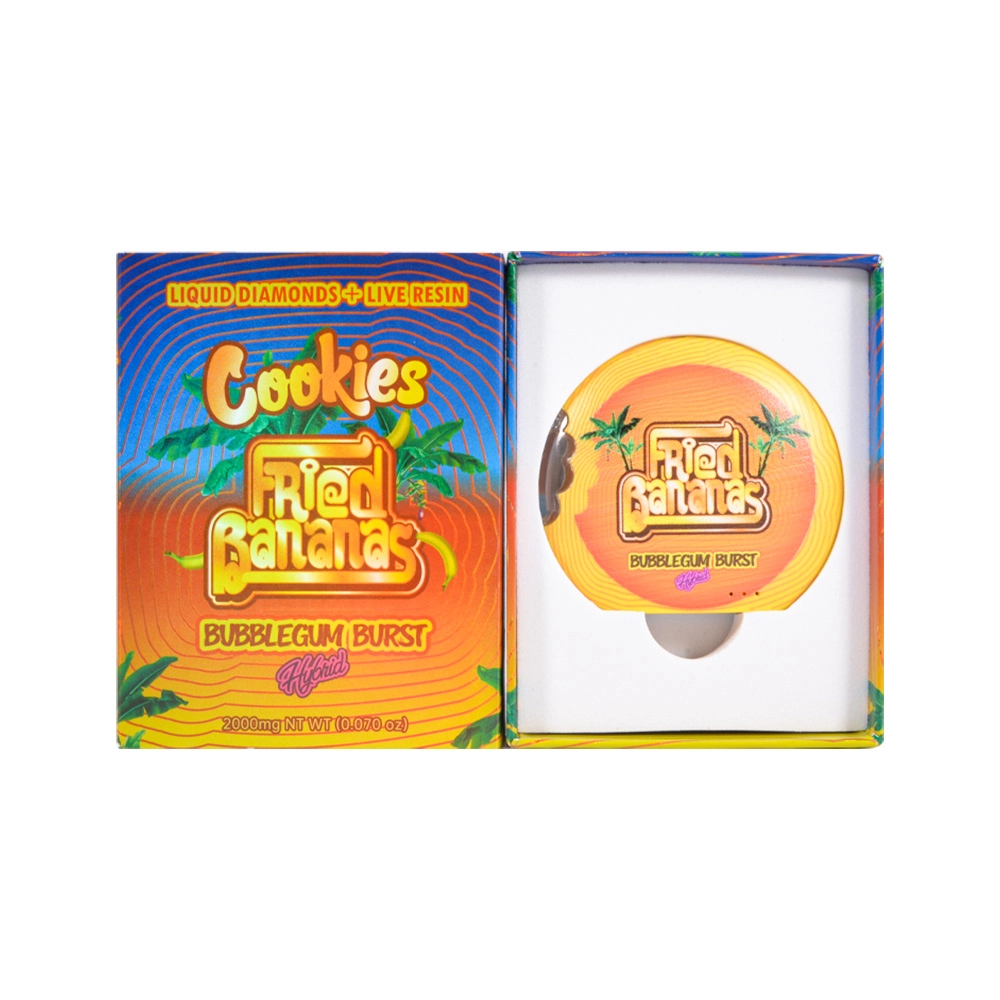
MOFU is where buyers stop asking “Does it look good?” and start asking “Will it hold up across batches, warehouses, and retailers?” If you’re evaluating a 2ml (2G) EMPTY disposable platform with 10 variants, the correct approach is not guesswork—it’s a qualification process.
Why the extra rigor now? Because the broader disposable category is under sharper safety and compliance attention. Research highlighted by the American Chemical Society reported that some disposable vapes can release higher levels of metals than older refillable devices, and one device in the study emitted more lead in a day’s use than nearly 20 packs of cigarettes—a reminder that materials and QC are not optional topics.
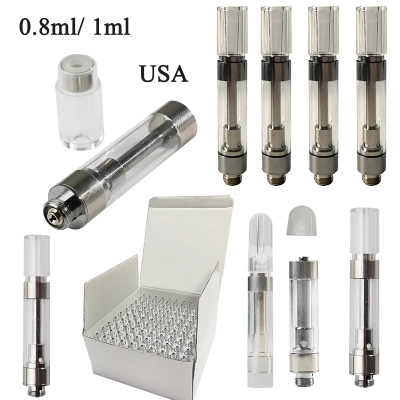
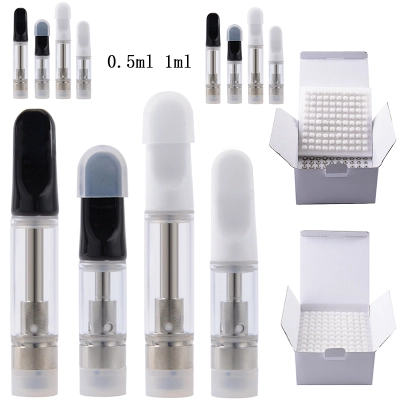
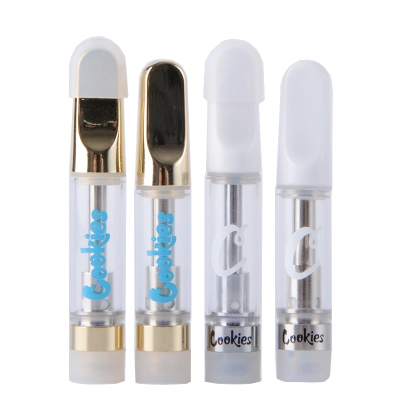
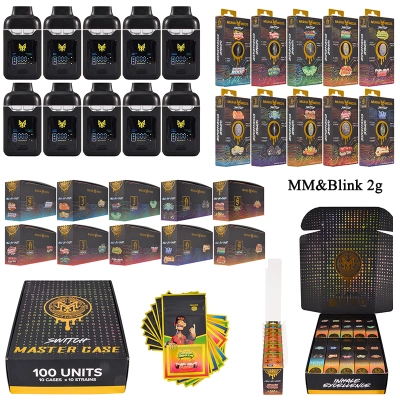
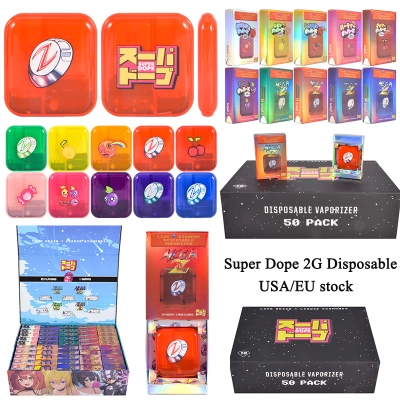
Below is a B2B-ready checklist you can apply to the Circle Cookies & Fried Banana 2G (2ml) EMPTY program—or any similar wholesale hardware line.
1) Lock the “truth” of the product spec (before you discuss price)
Request a one-page spec sheet that includes:
-
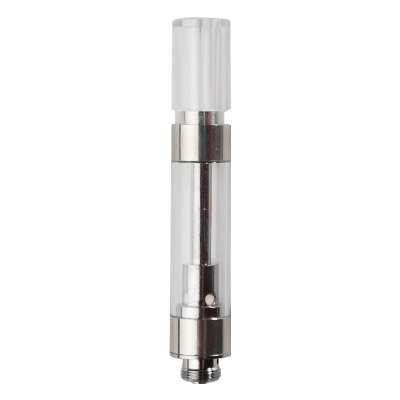
device dimensions and weight
-
battery capacity + protection features (short-circuit/overcharge/over-discharge)
-
coil type (ceramic/mesh/other) + resistance range
-
reservoir material + sealing method
-
activation style (auto-draw/button)
-
charging interface (if rechargeable)
-
unit packaging + master-case pack-out
Why this matters: if a supplier can’t state the build clearly, they can’t keep it stable across production.
2) Reliability tests that predict most wholesale returns
You’re selling empty hardware, so your tests should focus on mechanical integrity and consistency—not formulas or filling tactics.
A) Leak & seal test
-
temperature cycling + vibration simulation
-
pass criteria: no seepage at seams, mouthpiece, or base
B) Draw consistency test
-
compare multiple units across time (fresh vs stored)
-
pass criteria: stable airflow, no widespread “tight draw” failures
C) Drop test (packaged + unpackaged)
-
focus on mouthpiece cracks, internal movement, and post-drop draw
-
pass criteria: no cracking, no functional change
D) Variant consistency test
With 10 variants, you must verify that “Circle Cookies” behaves like “Fried Banana” in the same chassis. If one variant consistently clogs or leaks more, your distributor will blame the platform—not the variant.
3) Materials transparency: ask for what serious buyers now request
Because metals risk has been highlighted in disposables, you should ask suppliers for written clarity on:
-
heating element material composition
-
solder/joint materials policy
-
component sourcing stability (no unapproved substitutions)
-
QC checkpoints that address materials consistency
You don’t need a lab report for every conversation, but you do need a supplier who understands why the question exists and can respond professionally.
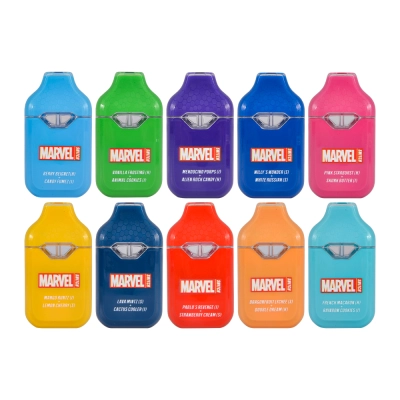
4) “10 flavors” should be engineered as an operational SKU system
Youth data is one reason retailers scrutinize flavor-forward lines. In 2024, 1.63 million (5.9%) U.S. youth reported current e-cigarette use, and 87.6% of current youth users used flavored products.
For B2B, that translates into a practical packaging rule: design the 10 variants to be adult-coded and inventory-friendly.
MOFU packaging checklist:
-
simple naming conventions (avoid youth-coded language)
-
consistent SKU coding and scannable identifiers
-
clear “EMPTY / hardware only” labeling for shipments
-
lot/batch codes visible on unit and master case
-
master-case assortments that match distributor workflows (e.g., 10-variant mixed case vs single-variant cases)
5) Compliance context buyers will bring up (especially for U.S. channels)
Whether you sell nicotine products or empty hardware, the U.S. environment influences buyer psychology:
-
FDA’s public list states 41 e-cigarettes are authorized and that these are the only e-cigarettes that may be lawfully sold in the U.S.
-
U.S. agencies have publicized major seizures of unauthorized products, including 4.7 million units in one operation.
So your MOFU “trust builders” are:
-
documentation readiness
-
stable BOM commitments
-
traceability
-
conservative, adult-market product language
6) Supplier scorecard: what separates factories from quote farms
Before you place a PO, confirm the supplier can provide:
-
QC plan + defect definitions (critical/major/minor)
-
AQL (or equivalent acceptance standard)
-
DOA/returns policy (evidence rules + timelines)
-
BOM stability window (no silent substitutions)
-
lead time + surge capacity terms
-
traceability: lot codes tied to production batches
MOFU decision rule: If a supplier can’t explain how they prevent batch-to-batch drift, they’ll become a returns problem—no matter how attractive the first sample looks.
MOFU wrap-up
A “Circle Cookies & Fried Banana”–style 2ml EMPTY platform can be a strong wholesale foundation—but only if it passes the boring tests: seals, draw consistency, materials stability, packaging discipline, and supplier traceability. That’s what turns a product into a program.


0 Comments