
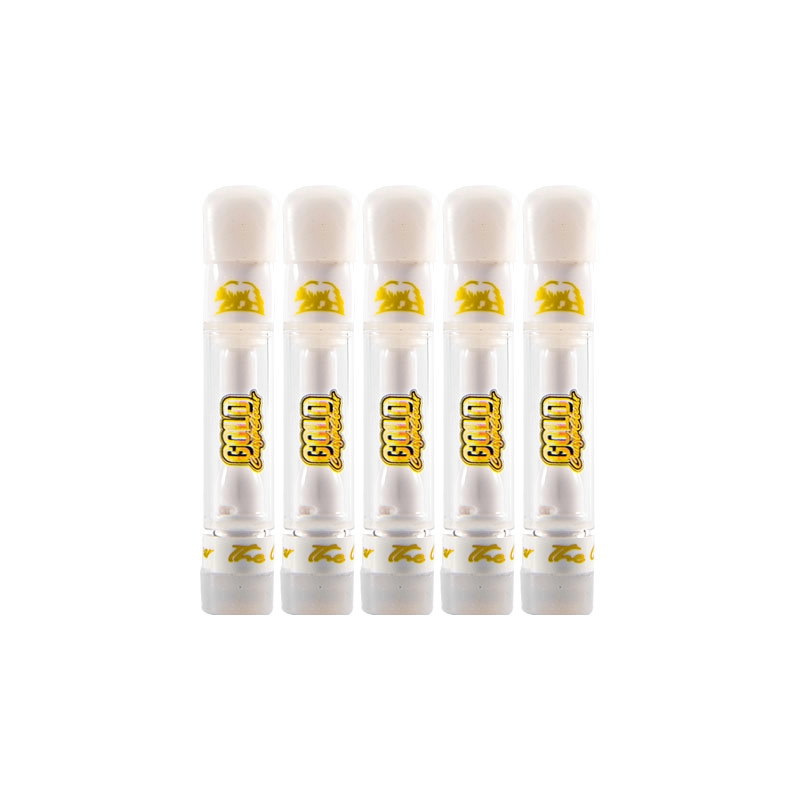
Leak testing is a critical quality control step for cartridges used in medical, pharmaceutical, and consumer applications. It ensures that the container closure integrity (CCI) is intact, preventing contamination, product loss, or safety risks. According to ISO 8871-5 and ASTM F2338, leak testing is required to demonstrate that cartridges meet strict packaging integrity standards. In regulated industries, it also supports compliance with GMP (Good Manufacturing Practice) and 21 CFR Part 11 requirements for documentation and traceability.
You can perform a leak test using methods such as helium pressurization, vacuum chamber testing, pressure decay, or air leak testing. The method you choose depends on whether you are testing empty cartridges (best for pressure methods) or filled cartridges (best for vacuum methods). Regardless of method, you must document results carefully and follow standardized procedures.
Key Takeaways
-
Use the right tools: A helium leak detector, vacuum chamber, and calibrated leak standards are essential. Proper equipment ensures accuracy and reproducibility.
-
Document everything: Recording each step provides traceability and helps pass audits. Electronic systems should comply with 21 CFR Part 11.
-
Match the method to the sample: Pressure decay testing is ideal for empty cartridges, while vacuum methods or tracer gas methods are required for filled cartridges.
Preparation and Sampling
Tools and Equipment
To perform reliable leak tests, you need specialized and calibrated equipment:
| Equipment | Purpose |
|---|---|
| Helium Leak Detector | Detects ultra-fine leaks using tracer gas (sensitivity up to 1×10⁻¹⁰ mbar·L/s) |
| Vacuum Chamber | Uses negative pressure to reveal leaks, often with bubble observation |
| Pressure Decay Tester | Measures pressure loss in sealed cartridges over time |
| Pressurization Device | Applies controlled pressure to empty cartridges |
| Calibrated Leak Standard | Validates instruments before each shift to ensure accuracy |
Tip: Calibration should follow ISO 17025 standards to ensure traceability.
Safety and Environment
Testing should take place in a clean, controlled environment. Operators must wear gloves to avoid contamination. Maintain temperature and humidity within recommended ranges to avoid false positives or negatives.
| Condition | Temperature (°C / °F) | Humidity (% RH) |
|---|---|---|
| Refrigerated | 5 ± 2 / 41 ± 4 | 85 ± 5 |
| Temperate, high humidity | 20 ± 2 / 68 ± 4 | 90 ± 5 |
| Tropical | 40 ± 2 / 104 ± 4 | 90 ± 5 |
| Desert | 60 ± 2 / 140 ± 4 | 15 ± 5 |
Sampling Plan
Use statistical quality control standards such as ISO 2859-1 or ANSI/ASQ Z1.4 to determine sample size. High-risk or high-volume batches require larger samples (often 200–300 units) to detect rare leaks. This systematic approach ensures compliance with GMP and reduces the risk of defective product reaching customers.
Documentation
Documentation is a regulatory requirement. Record test conditions, sample size, method used, and pass/fail criteria. In GMP settings, use electronic records with audit trails to comply with 21 CFR Part 11. Many systems can automatically generate PDF reports and calibration logs, providing traceability for every batch.
Leak Test Methods for Cartridges
Helium Pressurization
The most sensitive method, helium leak testing follows ASTM E498/E499. Cartridges are pressurized with helium, and detectors measure any escaping tracer gas.
-
Sensitivity: 1×10⁻⁹ std.cm³/sec; detection limits as low as 1×10⁻¹⁰ mbar·L/s.
-
Use Case: Works for both empty and filled cartridges.
-
Advantages: Non-destructive, highly accurate.
| Method | Sensitivity (std.cm³/sec) | Notes |
|---|---|---|
| Helium Leak Testing | 1×10⁻⁹ | Detects ultra-small leaks |
| Air Leak Testing | 1×10⁻³ | Detects only larger leaks |
Air Leak Testing
Simpler and less expensive, but less sensitive than helium. Works best for empty cartridges.
Steps:
-
Pressurize cartridge with air.
-
Stabilize pressure.
-
Monitor for drops over time.
Detection limit: ~1×10⁻³ std.cm³/sec.
Vacuum Chamber Test
Best for filled cartridges, which cannot be pressurized. Cartridges are placed under negative pressure, and leaks are observed via bubble formation or pressure changes.
-
Standard vacuum levels: 5, 10, 15 inHg.
-
Provides direct visual confirmation of leaks.
Pressure Decay Method
Aligned with ISO 11607 packaging integrity standards. Works by sealing and pressurizing empty cartridges, then monitoring pressure loss.
-
Measures in sccm (standard cubic centimeters per minute).
-
Requires precise fixtures to avoid false readings.
Dosing Techniques
-
Filled cartridges: Use negative pressure to pull air through leaks.
-
Empty cartridges: Use positive pressure to detect pressure decay.
Matching the dosing technique to the product stage ensures accurate results and protects container closure integrity.
Leak Testing Results and Troubleshooting
Interpreting Results
-
Compare leak rates against thresholds (e.g., ≤1×10⁻⁵ mbar·L/s per ISO 11607).
-
Analyze trends across batches to identify recurring issues.
-
Monitor real-time data to detect sudden anomalies.
Common Issues
-
Seal or weld defects.
-
Improper filling or capping.
-
Assembly tolerances.
-
Environmental damage (heat, transport stress).
Corrective Actions
| Issue Type | Corrective Action |
|---|---|
| Seal Defect | Re-weld or improve sealing line |
| Filling Error | Optimize filling process |
| Assembly Issue | Adjust tolerances, retrain staff |
| Handling Damage | Improve packaging, train users |
Pass/Fail Criteria
Most standards set the limit at ≤1×10⁻⁵ mbar·L/s. Any cartridge above this threshold is rejected and removed from the batch. Detailed records must be kept to show compliance with GMP and ISO CCI standards.
Conclusion
Performing a leak test on cartridges involves:
-
Preparing tools and environment.
-
Sampling according to ISO/ANSI rules.
-
Choosing the right method (helium, vacuum, air, or pressure decay).
-
Executing the test and documenting results.
-
Interpreting outcomes, addressing failures, and recording corrective actions.
Leak testing is not just a quality step—it is a compliance requirement. By following ISO, ASTM, and GMP standards, using sensitive methods like helium testing, and keeping complete records, you ensure product integrity, customer safety, and regulatory approval. Continuous improvement and adherence to best practices are the foundation of reliable cartridge leak testing.
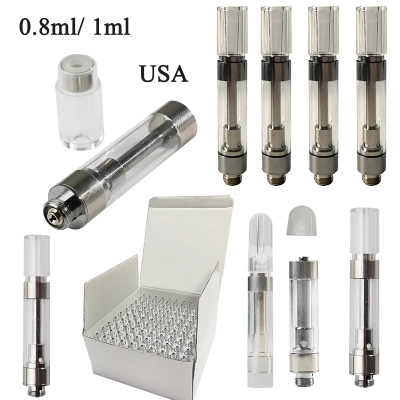
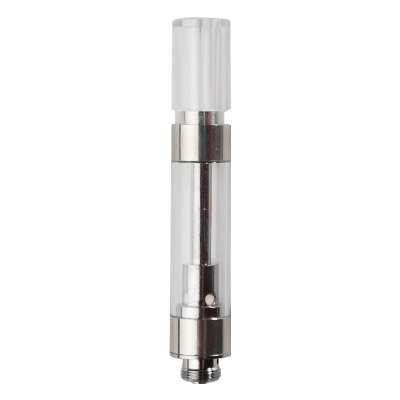
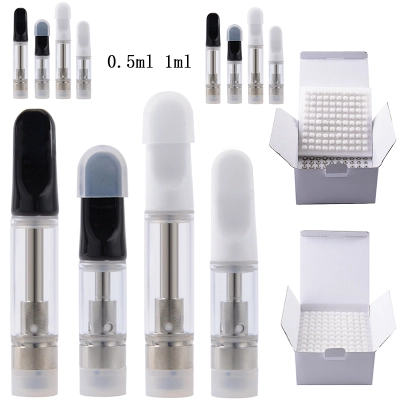
Finally, if you wanna order empty vapes wholesale, could go to these pages:cbd vape pen, cbd vape cartridge,vape cartridge,.5g cart,cart 1g










0 Comments