
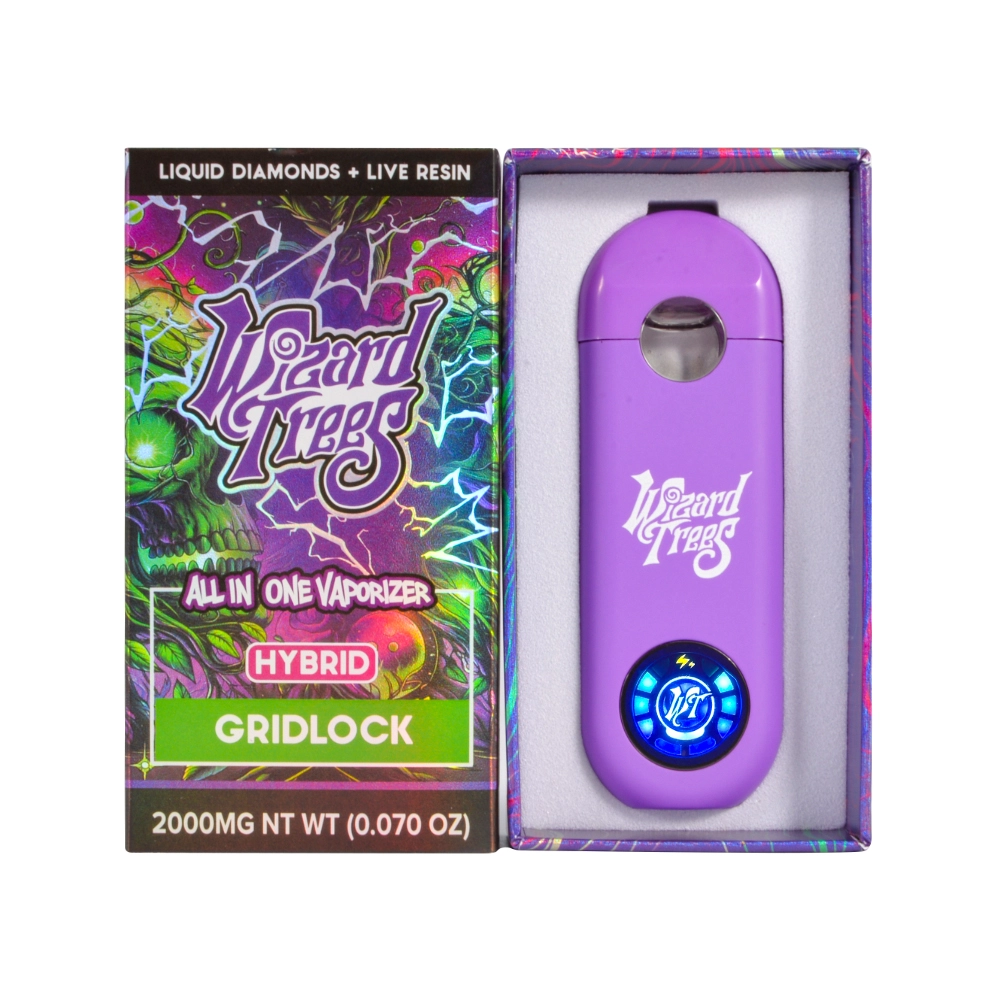
Once a buyer understands why the market is moving toward reusable, refillable, and compliance-ready hardware, the next question is more specific: how do you choose the right empty pod supplier?
This is the middle of the funnel, where broad category interest turns into supplier evaluation. At this stage, the wrong decision usually does not look dramatic at first. Most suppliers can send samples. Most factories can say they support customization. Most catalogs will mention quality control, compatibility, and wholesale pricing. But B2B buyers do not lose margin because a brochure looked weak. They lose margin because a pod leaks in transit, a fill line runs slowly, a cartridge fit changes between batches, or a “10-flavor program” becomes an inventory headache instead of a scalable SKU system.
So the real job in MOFU is not comparing nice-looking product pages. It is building an evaluation framework.
A good place to start is market fit. If your sales target includes Europe, the 2ml format is not just a design choice; it sits close to a major regulatory norm under the EU framework. If your sales target includes the UK, the post-2025 shift away from single-use formats makes reusable hardware more strategically relevant. If you are exposed to the United States, your risk review must be stricter because FDA says only 41 e-cigarettes are currently authorized for lawful sale, while enforcement against unauthorized flavored disposables has continued. Supplier selection has to begin with destination-market logic, not with factory enthusiasm.
After market fit, evaluate the pod as a manufacturing object.
The first question is sealing performance. Ask how the supplier validates leakage risk during storage, transport, and temperature variation. A serious supplier should be able to explain sealing design, assembly sequence, and the failure points they monitor. You do not need them to reveal trade secrets. You do need them to prove that leakage testing is a system, not a promise.
The second question is filling compatibility. If you are planning a 10-SKU flavor program, the real operational challenge is not the number ten. The challenge is whether the same pod architecture behaves consistently across ten liquid profiles. Viscosity, sweetener load, cooling agents, and terpene or flavor intensity can all change how a filled pod performs. A good supplier should be able to tell you what liquid windows the hardware handles best and where the performance limits begin.
The third question is batch consistency. Ask how the factory controls dimensional tolerance, incoming materials, and assembly variation. An empty pod buyer should always think in percentages. One beautiful pilot batch means very little if the fifth production run has an inconsistent snap-fit or altered airflow. What you want is not just a sample that works. You want a process that repeats.
The fourth question is documentation. In a loose market, weak documentation may still move boxes. In a regulated or semi-regulated market, it becomes a liability. WHO has emphasized that regulatory frameworks vary widely across countries, and that many jurisdictions still have major gaps. That makes importer-side documentation more important, not less. Ask what product specifications, declarations, packaging support, and test-related materials the supplier can provide. Even when a factory is not the final legal applicant in your market, good documentation lowers friction throughout the chain.
The fifth question is platform logic. This is where many buyers make a costly mistake. They treat each flavor as if it requires a different hardware identity. In reality, a stronger B2B model is usually one core pod platform, validated once, then used across a controlled flavor range. That gives you better purchasing leverage, simpler spare-part planning, and more reliable forecasting. It also helps distributors train retailers more easily because the user experience stays consistent.
The sixth question is commercial flexibility. Ask about MOQ by color, packaging style, and branding variant. Ask whether the same hardware can support OEM, ODM, and neutral packaging. Ask what happens if you want to test two markets with different warning language or carton structure. Empty pod sourcing becomes much more attractive when one supplier can support multiple commercial models from the same base platform.
The seventh question is lead-time stability. This matters more than many first-time buyers expect. The best B2B supplier is not always the one with the lowest unit cost. It is often the one who can hold stable lead times, communicate material changes early, and keep output predictable during peak seasons. In categories affected by policy shifts, reliable planning creates margin.
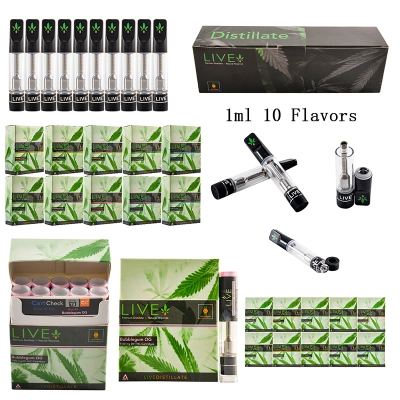
Now let’s talk about flavor, because this is where many inquiries become too retail-minded. For adult-focused B2B programs, flavor strategy should be approached as controlled SKU architecture, not as hype copy. CDC/FDA’s 2024 youth data and WHO’s repeated warnings about youth appeal mean buyers should be cautious about how flavor variety is packaged, named, and positioned. A supplier that understands this will not only talk about “10 flavors.” They will ask how you intend to position those SKUs by market, compliance standard, packaging language, and adult consumer segment. That is a much more professional conversation.
Another strong MOFU filter is sample discipline. Never approve a supplier on a single sample set. Ask for repeated samples, ideally from different batches. Test pod fit, mouthpiece feel, filling efficiency, shipping stability, and post-fill performance. If your business depends on repeat orders, then your approval process should reflect repeat-order realities.
Finally, evaluate the supplier’s mindset. Are they selling you a product, or are they helping you build a program? The difference matters. A product seller talks about price and flavor count. A program-oriented supplier talks about compliance pathway, batch repeatability, line compatibility, packaging options, and how to reduce your rework cost after launch.
That is the real goal in MOFU. You are not just picking an empty pod. You are selecting the operating foundation for your next 6 to 18 months of B2B growth.
If a supplier cannot answer that level of question, they may still be able to sell you samples. They are just not ready to support your business.
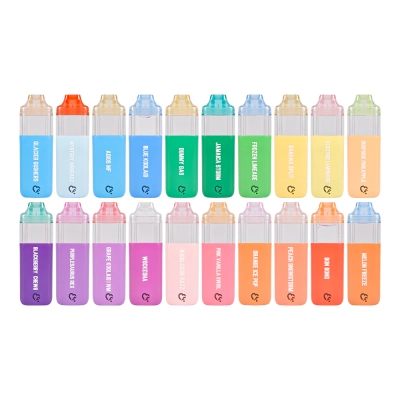
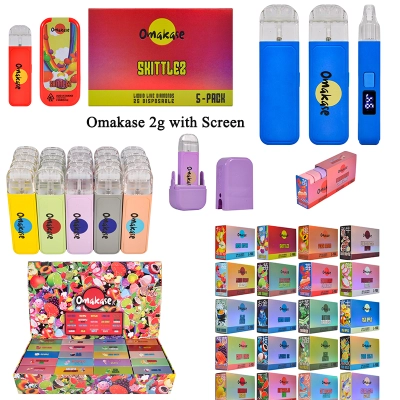
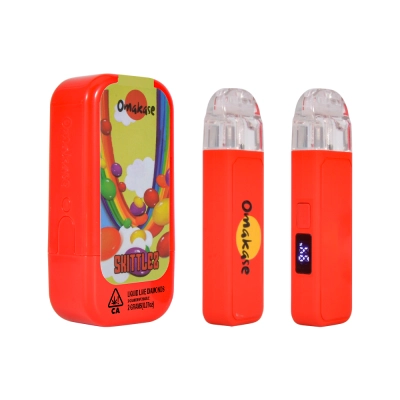
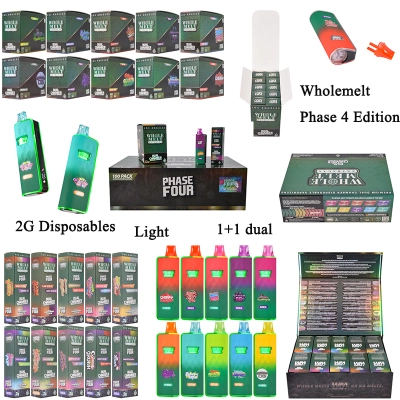
If u wanna more details, pls go to these pages: disposable vape, 2g disposable,Wizard Trees Disposables

0 Comments