
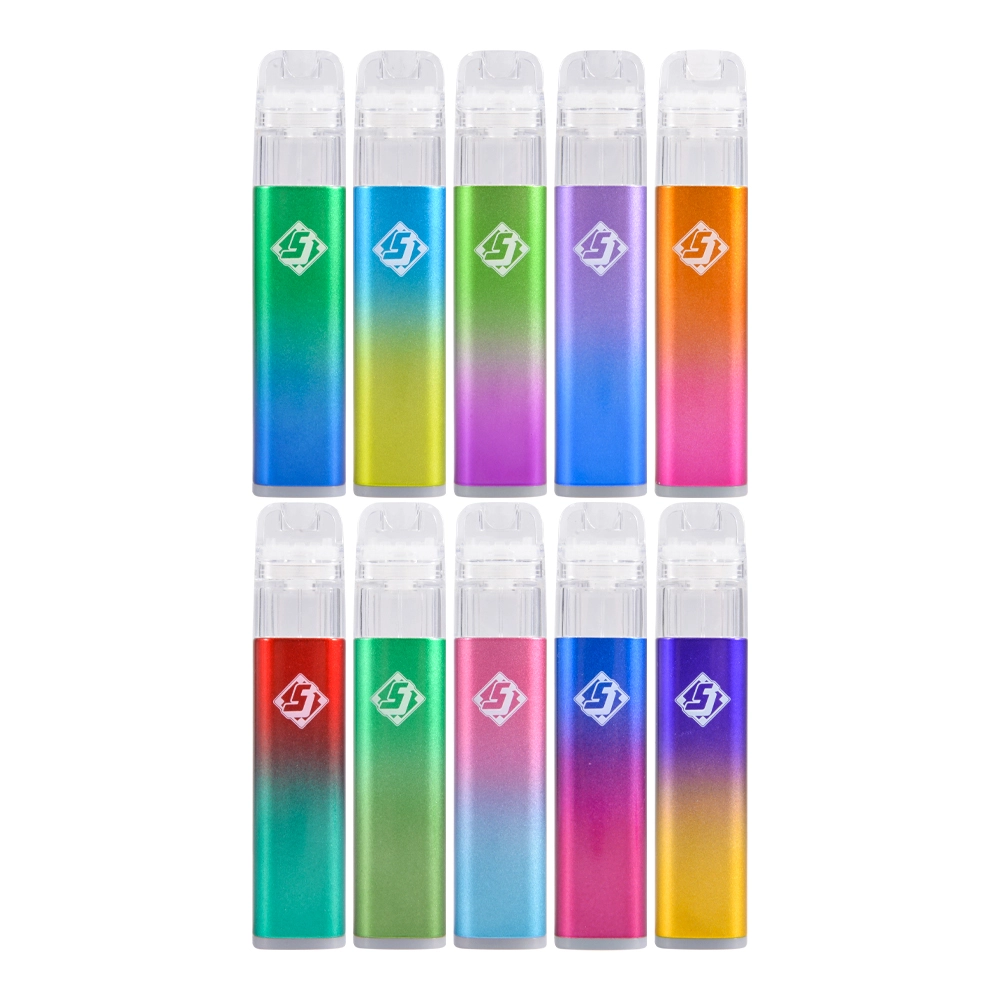
At MOFU, buyers already know what they want: a dual-chamber 2g format that looks right, feels right, and can be branded quickly. The harder part is choosing which supplier and which build will hold up in the real world—returns, retailer scrutiny, and shipping constraints included.
In 2026, “good enough” hardware is expensive. Enforcement risk and compliance expectations are not theoretical: U.S. agencies have publicly detailed large-scale actions against unauthorized e-cigarettes, and they’ve reiterated that only a limited set of products are legally authorized in the U.S. nicotine market.
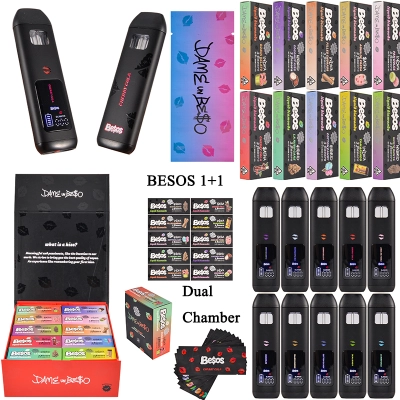
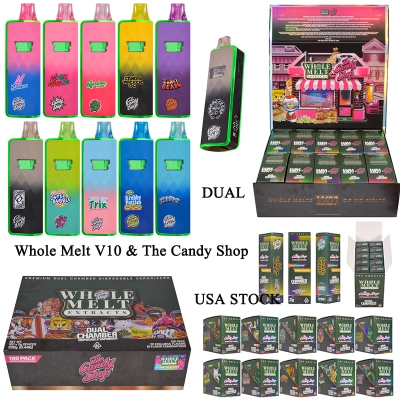
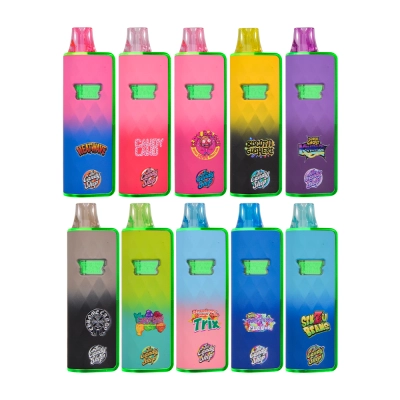
So here’s a practical evaluation framework you can use when sourcing Sluggers Hit dual-chamber 2g empty pods (hardware only). Wholesale listings show these empty, dual-flavor, switch-style devices are actively marketed in the supply base—your job is to qualify the right build.
Step 1: Confirm the “format truth” (don’t assume every dual-chamber is the same)
Ask your supplier to state, in writing:
-
Total capacity and split: Is it truly 1g + 1g (or equivalent volume), fully separated?
-
Selection mechanism: physical switch, button toggle, auto-sensing?
-
Air path design: independent airflow per chamber vs shared mixing path
-
Intended architecture: disposable all-in-one vs rechargeable body + replaceable pod
Why it matters: dual-chamber is often marketed similarly, but internal execution determines leakage, consistency, and customer satisfaction.
Step 2: Validate materials and compatibility (without discussing or designing illicit use)
Because this is empty hardware, your compliance posture should be: “intended for legal, regulated formulations handled by licensed operators.” Keep your internal discussions focused on materials and safety, not recipes or filling instructions.
Ask for documentation on:
-
reservoir material (and basic chemical compatibility statement)
-
mouthpiece and seal materials
-
heating element material and wick type
-
heavy metal screening policies (if applicable in your market)
Step 3: Performance checklist that predicts returns
Your goal is to prevent the three killers of retail velocity: clogging, leaking, and weak battery experience.
Request sample results (or run your own) for:
-
Leak resistance: hot/cold storage + vibration simulation
-
Chamber balance: does one side run “hotter” or deplete faster?
-
Draw consistency: beginning vs end-of-life behavior
-
Selector durability: does the switch loosen or fail after repeated toggles?
Note: consumers recognize dual-chamber devices as “two experiences in one,” because the format is common in marketed 2g dual-chamber devices. That also means they have clear expectations—and little patience for inconsistent performance.
Step 4: Battery, shipping, and activation risk (the part most teams forget)
Lithium battery safety rules are not a footnote; they’re part of your operational resilience. PHMSA and FAA guidance around battery-powered smoking devices reflects the broader hazard profile of lithium batteries.
Ask your supplier:
-
battery capacity and protection circuit details
-
anti-auto-fire measures (especially for draw-activated designs)
-
carton packing method to prevent activation
-
whether they can support documentation typically requested by freight forwarders
If you ship internationally, standardizing this paperwork reduces friction and delays.
Step 5: Regulatory reality check for your target markets
You can’t evaluate hardware in a vacuum.
-
UK / environmental policy pressure: The UK set a ban on single-use vapes effective June 1, 2025, and the government cited massive weekly disposal figures.
-
U.S. / authorization and enforcement: Public communications emphasize that only a limited number of products are authorized, and authorities have seized millions of unauthorized units at the border.
-
Public health scrutiny: WHO’s global estimates highlight youth use and the expanding adult user base—fuel for ongoing regulation.
Implication for B2B buyers: build optionality into your product plan. A dual-chamber platform that can be configured as rechargeable/replaceable helps you pivot if “single-use” definitions tighten in your sales regions.
Step 6: Commercial terms that separate serious suppliers from “quote farms”
When you’re ready to narrow to 1–2 suppliers, request:
-
stable BOM commitment window
-
QC plan and acceptable quality limits (AQL) for critical defects
-
warranty/DOA policy (with photo/video evidence guidelines)
-
serialization/traceability options if your channel requires it
-
packaging capabilities: white box, custom inserts, compliance labeling support
This is where many “cheap” offers collapse. The real cost is rework, returns, and channel distrust.
A MOFU decision rule you can actually use
If a supplier can’t clearly answer questions about (1) separation integrity, (2) leakage testing, (3) battery protections, and (4) documentation readiness, they’re not a fit—no matter how good the sample looks on day one.
Where you want to end up: a Sluggers Hit dual-chamber 2g empty pod program that ships smoothly, survives retail handling, and supports brand growth without becoming a compliance or returns headache.
If u wanna know more details, pls go to these pages: sluggers hit, sluggers dual 2g,USA sluggers dual chamber


0 Comments