
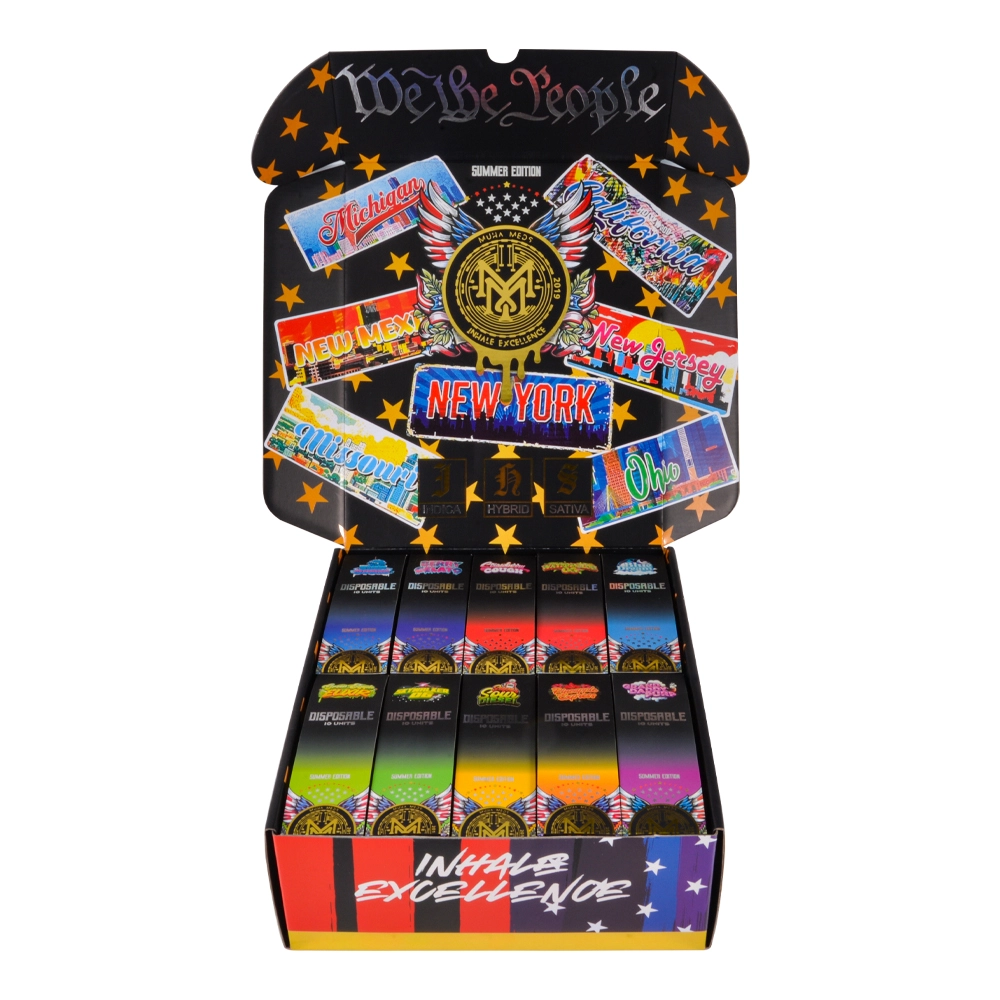
Direct answer: Buying empty MuhaMeds 2025 hardware only makes sense when you have (1) verified brand authorization, (2) batch-level materials compliance, (3) tight, repeatable sealing performance, and (4) clear after-sales/RMA terms in writing. If any one of these is vague, delay the purchase.
Who this is for (and what “empty” means)
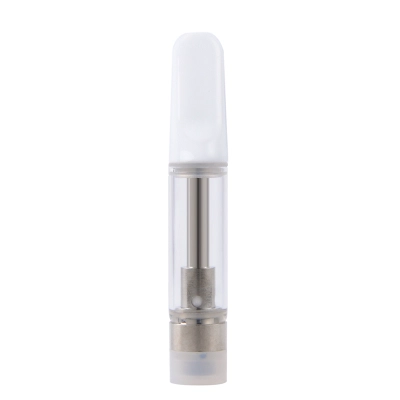
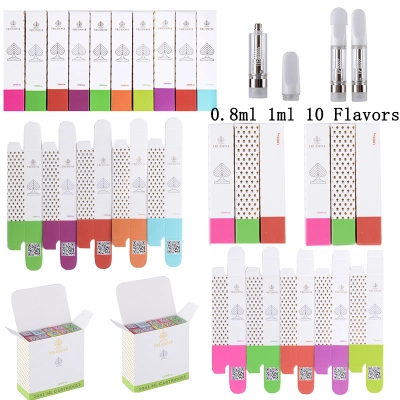
This guide is built for licensed B2B buyers—distributors, white-label fillers, and lab partners—who want brand-consistent empty shells (no oil, no battery). “Empty” here means hardware only (cartridge/tank or AIO shell) intended for legal filling operations. Do not conflate empty hardware with prefilled products; the regulatory scope differs.
BOFU summary: what to confirm before you wire funds
-
Authorization & trademarks – Written permission to purchase branded empty MuhaMeds shells and use marks in your market.
-
Materials compliance – Current RoHS (including 2015/863 substances) and REACH/SVHC declarations for all wetted parts (mouthpiece, tank, center post, seals).
-
Reliability evidence – Incoming AQL plan, 48-hour upright/invert rest tests, cold/hot cycles, drop/vibration (small-parcel conditions) and cap-force targets.
-
After-sales – Defect definitions, replacement % cap (e.g., ≤2%), lead time for swaps, and photo/video evidence workflow.
-
Future-proofing – If you’ll pair hardware with batteries later, confirm the vendor can furnish UL 8139 (device electrical safety), UN 38.3 Test Summary, and the 2025 IATA Dangerous Goods requirements for lithium shipments. (These do not apply to empty, non-battery parts today—but plan ahead.)
Product value pillars (why empty MuhaMeds 2025 is shortlisted)
-
Fit & finish consistency: tighter cap runout, smoother threads, uniform ceramic pore structure—key to flavor integrity post-fill.
-
Leak resistance by design: dual/triple O-rings on critical joints, defined negative-pressure cavity, controlled press-fit geometry.
-
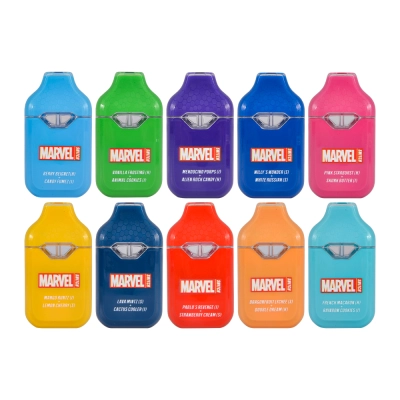
Brand form factor: V1/V2 aesthetic and cultural visuals support retail storytelling without changing internal tolerances.
-
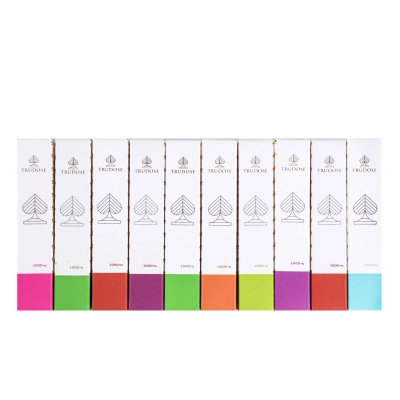
B2B readiness: vendor playbooks for intake, serialization/QR, and batch mapping reduce time-to-shelf.
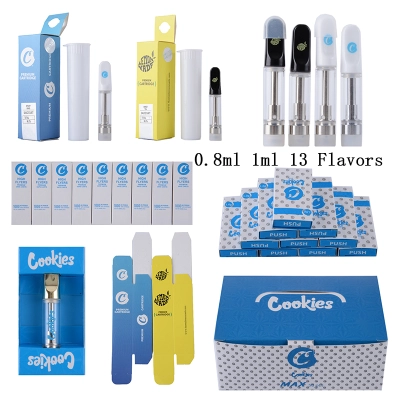
Reality check: Counterfeits exist. Your protection is paperwork, serialization, and a strict receiving SOP—not the logo alone.
Spec quick scan (what you should see on a cut sheet)
-
Capacity: 1.0 mL nominal (often labeled “1000 mg” as shorthand).
-
Heater: ceramic core with FeCrAl or SS316L element.
-
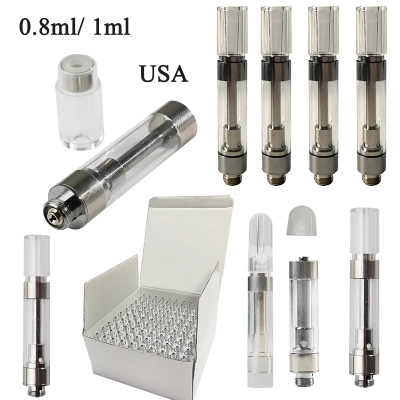
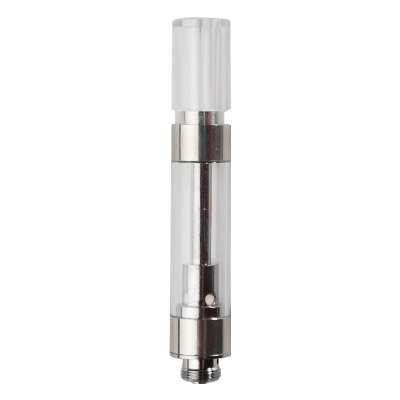
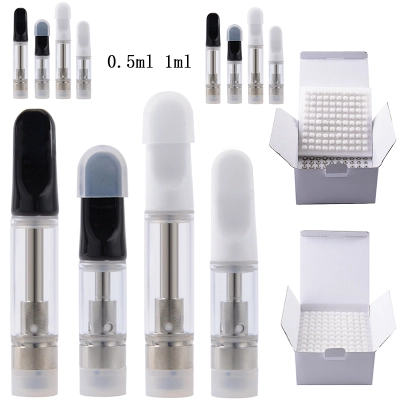
Materials: borosilicate glass or high-grade PCTG tank; stainless wetted metal; food-contact seals.
-
Fill/closure: top-fill; screw or snap cap with specified initial and re-cap force ranges.
-
Battery pairing: 510 thread; typical operating window 2.5–3.7 V (coil-dependent).
Compliance, simplified (2025-ready)
-
Empty hardware (no battery): prioritize RoHS and REACH/SVHC evidence for every wetted component. Keep validity dates and lab entities on file.
-
Packaging & transport robustness: validate your outer carton/inner tray stack with small-parcel simulation (drop/vibration/pressure/temperature).
-
Battery/E-device (if applicable later): plan for UL 8139 device safety, UN 38.3 battery testing, and IATA DGR 2025 labeling/SoC rules. These apply once a cell is in the assembly, not to empty parts.
Filling and QA notes (to minimize returns)
-
Filling needle: 1.6–2.0 mm typically balances shear and speed for viscous matrices.
-
Thermal assist: brief, controlled warming of oil only; avoid overheating which increases condensate and seal stress.
-
Headspace & cap force: measure both; out-of-range cap force correlates with micro-leaks in transit.
-
Pilot set: 10–20 pcs per lot; run 24–48 h upright and inverted; add one cold and one warm cycle; record leak rate, clog incidence, and sensory notes before full-scale.
Landed-cost math (so your margin survives reality)
Landed $/unit = (Unit price + Freight + Compliance/Admin + Insurance + Taxes/Duties + Other fees − Discounts) ÷ Units
Run three scenarios (e.g., 100/500/1000 shells). You’ll often find that freight terms (free-freight thresholds) change $/unit more than a small unit discount. Bake RMA expectation (e.g., 1–2%) into margin planning.
Receiving SOP (copy/paste)
-
Count & condition: pallet/box counts, crush/tear photos.
-
Traceability: scan carton and inner-unit codes; reject duplicates.
-
Visuals: threads, seat flatness, O-ring presence, surface defects; AQL sampling.
-
Pilot fill: 10–20 pcs with your oil; log headspace, cap force, weight gain.
-
Stability check: 48 h upright/invert + one cold and one warm cycle; note leaks/clogs.
-
Quarantine & RMA: isolate failures, attach evidence, trigger replacement per contract.
Risk flags (walk away if you see these)
-
“Brand” shells with no serial/QR or mismatched lot codes.
-
Expired or non-specific RoHS/REACH letters (wrong model, wrong materials, or no lab reference).
-
No written AQL/RMA policy; vague “we’ll take care of you” promises.
-
Unrealistic pricing far below market tiers (common counterfeit tell).
Comparison snapshot (where empty MuhaMeds 2025 typically lands)
-
Quality: upper-mid to premium when documentation and batch control are present.
-
Safety posture: strong if full wetted-parts compliance pack is provided and current.
-
Value: favorable at carton/master-case volumes, especially with free-freight and a ≤2% replacement clause.
-
Use cases: premium or brand-forward lines where shelf appeal matters, without sacrificing sealing discipline.
10-point BOFU checklist (use before issuing a PO)
-
Written brand authorization and territory scope.
-
Full materials list for wetted parts; current RoHS/REACH evidence.
-
Cut sheet with cap force/torque, O-ring spec, and tolerance bands.
-
AQL sampling plan and acceptance numbers.
-
Serialization/QR plan; carton-to-unit mapping.
-
Pilot-fill protocol (needle size, headspace, time/temperature).
-
48 h stability + simple cold/warm cycle and drop test results.
-
RMA terms (defect definition, % cap, turnaround).
-
Freight terms and free-freight thresholds; insured transit.
-
Future battery path (if relevant): vendor readiness for UL 8139/UN 38.3/IATA DGR 2025.
FAQs
Q1: Are empty MuhaMeds 2025 shells compliant out of the box?
They can be—if the vendor provides current RoHS/REACH evidence for all wetted parts. Electrical/battery standards apply only when a cell is added.
Q2: What needle size should I stock for thick matrices?
Start with 1.6–2.0 mm. Validate on pilots; measure fill mass, headspace, and cap force for repeatability.
Q3: How do I reduce clogging reports in cold markets?
Tune battery voltage within the coil’s sweet spot, add a brief warm-up draw, and confirm airflow alignment. Storage and last-mile temperatures matter—log them.
Q4: What’s an acceptable failure rate?
Well-controlled programs target ≤2% functional defects with fast replacements. Anything higher warrants a root-cause and process correction before reordering.
Q5: Can I reuse this SOP for other 1.0 mL cartridges?
Yes. The same intake, pilot, and stability framework works across platforms—just update torque/cap-force targets and coil voltage windows per model.
Bottom line
Empty muhaMeds 2025 earns its spot on a BOFU shortlist when it arrives with verifiable materials compliance, passes simple but disciplined stability tests, and includes clear RMA terms. Run the 10-point checklist, pilot before scale, and keep documentation tight—so your margin, reputation, and timelines stay intact.
and if you wanna order empty vapes wholesale, could go to these pages: cbd vape pen, muha marvericks wholesale muha meds 1000mg bulk 1g Disposable Vape

0 Comments