
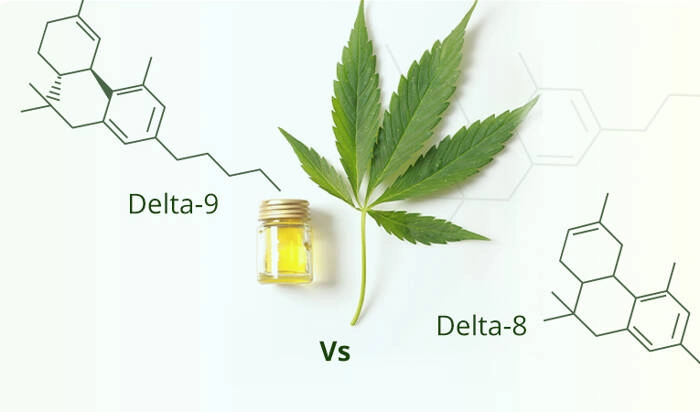
As cannabis continues to gain widespread popularity across the United States, consumers are becoming more curious about the various cannabinoids within the cannabis plant. While most people are familiar with the two most well-known cannabinoids—THC (tetrahydrocannabinol) and CBD (cannabidiol)—there are several other cannabinoids worth exploring. Among them, Delta-8 and Delta-9 THC have garnered particular attention for their unique properties, effects, and growing presence in the cannabis market. While both offer psychoactive effects, they differ in potency, legality, and potential benefits. Let’s break down the key differences between Delta-8 and Delta-9 THC, as well as their potential uses.
What is Delta-8 THC?
Delta-8 THC is a cannabinoid found in small quantities in the cannabis plant, particularly in hemp. It’s chemically similar to Delta-9 THC, but with a slight difference in molecular structure—this difference makes Delta-8 less potent and less likely to produce intense psychoactive effects. To extract Delta-8 in sufficient quantities, manufacturers often synthesize it from CBD derived from hemp, which has made it more accessible in the market. Delta-8 is frequently marketed as a more mild alternative to Delta-9, providing a less intense high with fewer side effects.
Benefits of Delta-8:
- Milder Psychoactive Effects: Delta-8 provides a lighter "high" that is often described as less anxiety-inducing than Delta-9. This makes it a good choice for those who want to experience the benefits of THC without feeling overwhelmed.
- Pain Relief: Delta-8 is used by some individuals to relieve chronic pain, anxiety, and nausea, similar to Delta-9 THC, but with a reduced intensity of psychoactive effects.
- Appetite Stimulation: Like Delta-9, Delta-8 can help stimulate appetite, making it useful for individuals undergoing treatments like chemotherapy or those suffering from conditions that cause weight loss.
- Mental Clarity: Some users report feeling more clear-headed with Delta-8 than with Delta-9, which may help those dealing with stress or anxiety.
Potential Side Effects:
- Mild drowsiness, dry mouth, dizziness, and slight increases in heart rate.
- Because Delta-8 products are often synthesized, the safety of some products is uncertain, especially if they are not tested by third-party labs.
What is Delta-9 THC?
Delta-9 THC is the most abundant and well-known form of THC, naturally occurring in marijuana plants. It is the primary psychoactive compound responsible for the "high" that marijuana users experience. Delta-9 is often what people think of when they imagine THC, and it has been studied extensively for its potential medical benefits.
Benefits of Delta-9:
- Pain Relief: Delta-9 THC is effective at managing chronic pain conditions, including neuropathic pain and pain associated with cancer treatments.
- Mental Health: Delta-9 has shown promise in treating mental health conditions such as PTSD, depression, and anxiety (though it can exacerbate anxiety for some individuals).
- Appetite Stimulation: Delta-9 is especially well known for increasing appetite, which can be helpful for individuals who are undergoing chemotherapy or battling eating disorders.
- Anti-Nausea: For chemotherapy patients, Delta-9 has been a go-to option to help alleviate nausea and vomiting caused by treatment.
Potential Side Effects:
- Psychoactive Effects: Delta-9 can cause paranoia, dizziness, dry mouth, and impaired motor skills, especially when consumed in large doses.
- Cognitive Impact: It can impact short-term memory and cause sedation or a "couch-lock" effect, depending on the dose and individual tolerance.
How Are Delta-8 and Delta-9 THC Different?
While Delta-8 and Delta-9 THC share many similarities, the two are distinct in several important ways. Here’s a closer look at how they compare:
-
Potency:
- Delta-8 is less potent than Delta-9, making it a good option for individuals who want to experience the benefits of THC without the intense high or side effects that come with Delta-9.
- Delta-9 is far more potent and can result in a stronger and more pronounced high, which may be overwhelming for some users.
-
Psychoactive Effects:
- Both Delta-8 and Delta-9 have psychoactive properties, but Delta-9 tends to be much stronger. Delta-8 is often described as producing a “clear-headed” high, with fewer cognitive impairments.
-
Legality:
- Delta-8 is derived from hemp, which is federally legal under the 2018 Farm Bill as long as it contains less than 0.3% Delta-9 THC. However, some states have enacted their own laws banning Delta-8 THC, so its legal status can vary.
- Delta-9 THC is still illegal under federal law, though it is legal in states with medical or recreational cannabis programs. In places where marijuana is legal, consumers can purchase Delta-9 products from licensed dispensaries.
-
Health & Safety:
- Delta-8 products can be less regulated and may contain contaminants or other impurities, especially if they are not tested by independent labs. Because it is often synthetically produced, Delta-8 products may pose a higher health risk.
- Delta-9 products, when purchased from regulated dispensaries, are generally subject to strict quality control measures, which can ensure product safety and potency.
-
Medical Use:
- Delta-8 is being explored for its potential to treat conditions like chronic pain, anxiety, and nausea, though there is less research compared to Delta-9.
- Delta-9 has a more established track record for medical use, particularly in treating pain, nausea, and mental health issues.
Is Delta-8 or Delta-9 Right for You?
Choosing between Delta-8 and Delta-9 largely depends on your preferences, needs, and local laws. Here are some key considerations:
- If you are looking for a more mild, clear-headed high with fewer psychoactive effects, Delta-8 might be the better choice.
- If you need stronger pain relief, appetite stimulation, or more intense psychoactive effects, Delta-9 may be more suitable, especially if you live in a state where it’s legally available for medical use.
- Always consult with a healthcare provider before using either Delta-8 or Delta-9, particularly if you are using other medications, as these cannabinoids can interact with certain drugs.
Conclusion
Both Delta-8 and Delta-9 THC offer unique benefits and effects. While Delta-9 is the more well-known and potent of the two, Delta-8 provides a milder experience that may be ideal for those seeking therapeutic benefits without strong psychoactive effects. However, due to varying legal restrictions and health concerns, it’s essential to make informed decisions about which cannabinoid is right for you. If you’re unsure, consult a healthcare professional to help guide your choice.






0 Comments