
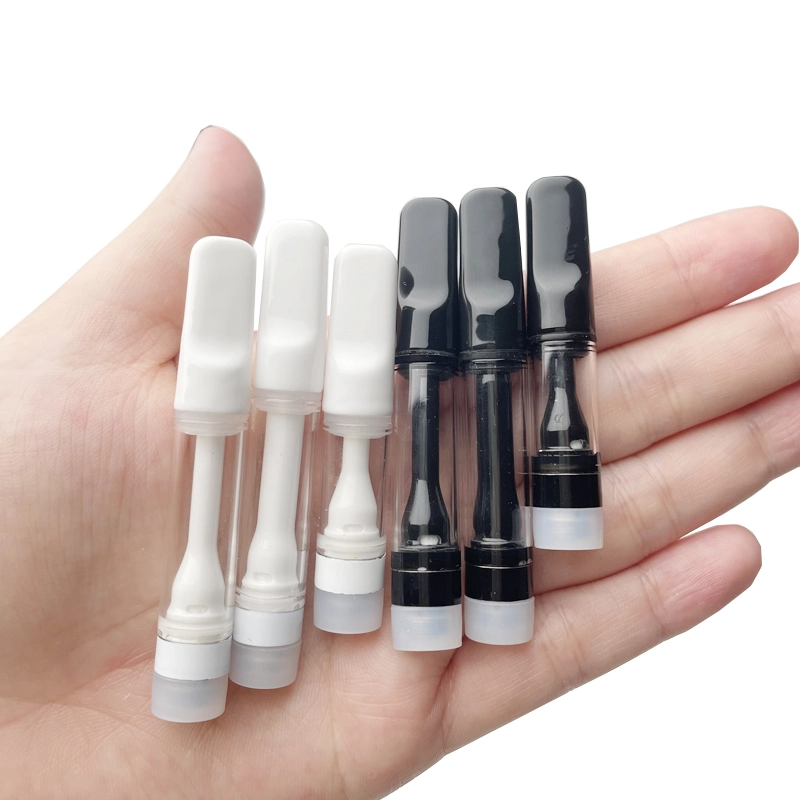
Straight answer (who each suits best):
-
If you want longer life, steadier flavor, fewer dry hits, pick ceramic. Its porous matrix spreads heat and e-liquid more evenly, raising the dry-hit threshold and keeping taste consistent at low–mid power.
-
If you want instant ramp-up, bigger clouds, and lower upfront cost, pick cotton. It responds fast and is inexpensive—but it’s more sensitive to high heat and low wicking.
Quick Overview (Flavor • Lifespan • Heat-Up • Burn Risk • Smoothness)
-
Flavor: Ceramic tends to be more neutral and stable over time; cotton starts clean but can drift as the wick ages.
-
Lifespan: Ceramic generally outlasts cotton; cotton needs more frequent replacement.
-
Heat-up: Cotton is quicker; ceramic is slower but distributes heat more evenly.
-
Burn risk: Ceramic is more tolerant to brief under-wicked moments; cotton is easier to scorch if it runs dry or is overpowered.
-
Smoothness: Ceramic’s even heat often feels softer and more refined; cotton can be smooth when dialed in but is less forgiving.
Practical science note: Cellulose (cotton) begins to thermally degrade in the high-hundreds °F range; propylene glycol and glycerin can produce aldehydes if overheated and oxygen-rich. Translation: avoiding dry hits and excessive heat matters, regardless of coil type.
Ceramic vs. Cotton Coil
Key Differences Table
| Feature | Ceramic | Cotton |
|---|---|---|
| Flavor | Neutral, stable, low off-notes | Clean at first; can dull or shift as wick ages |
| Lifespan | Typically longer | Shorter; depends on power and pacing |
| Heat-Up | Slower, more uniform | Fast, “press-and-puff” |
| Burn Risk | Lower; higher dry-hit tolerance | Higher; scorches when dry or overpowered |
| Smoothness | Even heat, silky draw | Can be smooth but easier to hotspot |
| Cost | Higher per coil | Lower upfront |
| Drop Resistance | Ceramic is brittle | Fiber fill is less brittle |
| Best Fit | Flavor focus, MTL, relaxed pacing | Clouds, DTL, quick sessions |
Feature Comparison
Flavor and Taste
Ceramic’s micro-porous body spreads e-liquid and heat uniformly, reducing hot spots and preserving top notes over long sessions. Cotton often delivers an exciting “first-few-puffs” pop, but as residues build and fibers fatigue, taste can flatten or tilt. If your priority is clean, repeatable flavor, ceramic generally wins; if you frequently switch flavors, cotton is fine—just expect to re-wick or replace more often.
Lifespan and Durability
Under similar power and pacing, ceramic tends to age more slowly and resist carbonization. Cotton’s life depends heavily on your power, puff length, oil viscosity, and ambient temperature. If you’re tired of swapping coils, ceramic’s stability pays off; if you’re okay with routine changes for lower cost, cotton is practical.
Heat-Up Time
Cotton’s hallmark is snappy ramp-up—great for short, energetic sessions. Ceramic has more thermal inertia: it starts slower but then holds a steady, even heat, which helps with consistency and smoothness.
Burn Risk
Ceramic’s wicking network and heat uniformity raise the dry-hit threshold. Cotton, by contrast, is easy to singe if the wick isn’t fully saturated or if voltage is too high. Regardless of material, the antidote is the same: short draws, proper intervals, conservative power, and never hitting a dry wick.
Cost
Ceramic costs more per unit but often saves money over time due to fewer replacements. Cotton is cheaper upfront and ubiquitous; total cost depends on how fast you burn through coils.
Ceramic Coils
Pros of Ceramic Coils
-
Uniform heat and smooth draw: minimizes hot spots and harsh spikes.
-
Longer service life: more resistant to heat-cycle fatigue and buildup.
-
Flavor neutrality: fewer material-imparted off-notes; steadier taste curve.
Cons of Ceramic Coils
-
Slower start: benefits from a brief preheat, especially in cold rooms or viscous oils.
-
Higher price: premium material and manufacturing.
-
Brittleness: protect from drops; treat as precision parts.
Cotton Coils
Pros of Cotton Coils
-
Instant response & big clouds: ideal for DTL and power-on demand.
-
Low cost & widely available: easy to replace, easy to learn on.
-
Flexible to build/fit: common across tanks, rebuildables, and many ready-made heads.
Cons of Cotton Coils
-
Easier to burn: dry or overpowered cotton scorches quickly.
-
Shorter lifespan: more frequent changes, flavor drift over time.
-
Narrower “sweet spot”: needs careful power and pacing to avoid hot spots.
Choosing Your Coil (Match Style to Hardware)
For Flavor Seekers
Pick ceramic. Run low–mid power, use short puffs with 60–90 s between, and consider a 1-second preheat in cold environments. This maximizes clarity and keeps harshness down.
For Durability
Pick ceramic. It generally resists thermal aging better. Ensure your liquid’s viscosity and the coil’s wicking design are well matched; in winter, lower power or preheat briefly.
For Ease and Cost
Pick cotton. Start low voltage/wattage, avoid long button holds, and keep the wick constantly saturated. Expect regular replacements as part of the budget.
For Burn Protection
Pick ceramic with conservative power. Whatever you use, stop immediately at the first hint of scorch or dryness, check wicking, and let the coil re-saturate.
Safety & Compliance (Always Good Practice)
-
Device electrical/thermal safety: reputable devices are designed and evaluated against recognized e-cig safety frameworks for electrical, heating, battery, and charging systems. Treat those as engineering references, not medical or regulatory claims.
-
Travel: place vapes and spare batteries in carry-on only. Power them off and prevent accidental activation. Airlines may enforce additional rules—always check before flying.
-
Batteries & shipping (for businesses): lithium cells used in consumer products are expected to meet standard transport design tests; suppliers maintain a test summary per cell model. Keep paperwork if you handle logistics.
Recap (Decision in One Minute)
-
Flavor stability & longer life? Go ceramic.
-
Instant ramp-up & lower cost? Go cotton.
Still unsure? Run a simple A/B: same liquid, same power. Log the first 3 puffs and the 10th puff for flavor intensity, smoothness, and any scorch. Rank your priorities (flavor, lifespan, cost, burn protection) and pick the coil that best aligns. With a bit of testing—and a focus on low, steady power and proper pacing—you’ll land on the coil that makes every session feel just right.

0 Comments