
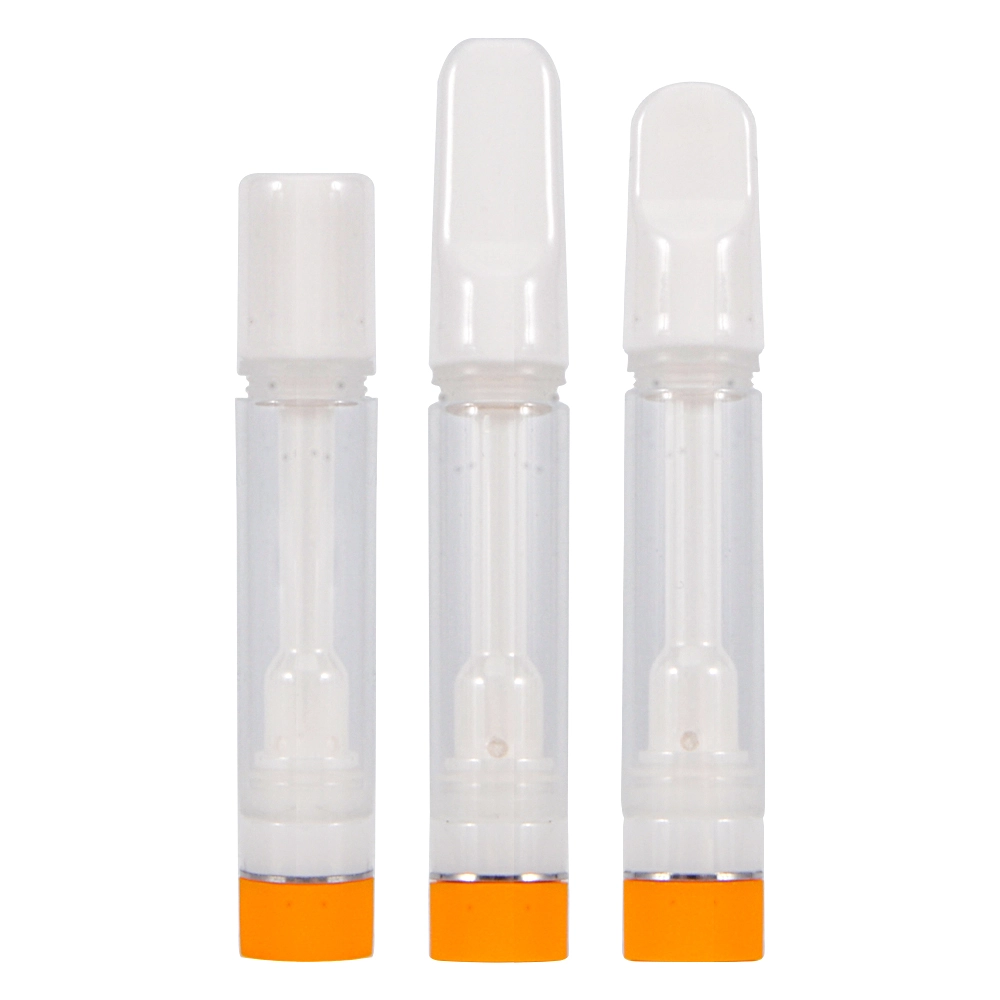
Short answer:
-
Pick ceramic-core cartridges if you want proven wicking, soft heat distribution, and consistent flavor at low–mid power.
-
Pick zirconia-bodied cartridges if you want tougher housings/mouthpieces that run cooler to the touch, clean easily, and resist chipping—often paired with a ceramic heating core inside.
Key Takeaways
-
Heat stability: Porous ceramic heating cores spread heat evenly and resist hot spots; yttria-stabilized zirconia (YSZ) parts (mouthpieces/center posts) tolerate higher peak temperatures and thermal shock, but they’re dense and non-porous, so they don’t wick—zirconia is about structure, not the wick.
-
Flavor: Porous ceramic cores are neutral and keep flavor steady across sessions; zirconia housings add inert, clean surfaces that don’t hold odors and help reduce aftertaste carry-over.
-
Durability: Zirconia has higher fracture toughness than common alumina ceramics—good for mouthpieces and center posts—while the porous ceramic core remains the workhorse for wicking and smooth vapor.
-
Cost & feel: Zirconia parts cost more and feel heavier/cooler; standard ceramic assemblies are lighter and cheaper.
What We’re Comparing (define the parts clearly)
-
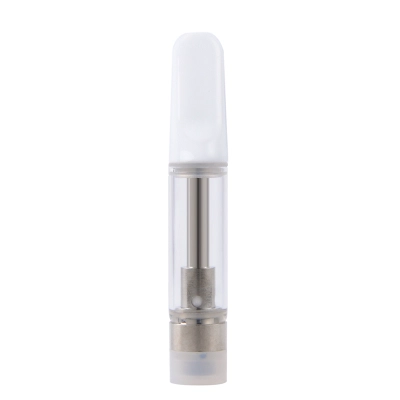
“Ceramic cartridge” in vaping usually means a porous ceramic heating core/wick (alumina/cordierite-based) surrounding a micro-heater. The pores move e-liquid toward heat, enabling even vaporization.
-
“Zirconia cartridge” usually means the mouthpiece, center post, or outer shell is made of zirconia ceramic (often YSZ) for strength, scratch resistance, and cleanliness. The heating section inside is still a porous ceramic or a mesh/coil—zirconia isn’t used as the wick.
Think of it this way: ceramic = the sponge and heat spreader, zirconia = the bowl and handle.
Heat Stability & Thermal Behavior
Ceramic cores
-
Even heat field: The porous network distributes liquid and moderates temperature swings, reducing hot spots that cause harshness.
-
Low–mid power sweet spot: Designed to work best with short puffs and conservative wattage/voltage, which keeps aerosol smoother.
Zirconia bodies
-
High-temperature tolerance: YSZ maintains strength at higher temps than typical alumina housings and shrugs off fast heat cycles (good thermal-shock resistance).
-
Thermal feel: Zirconia’s low thermal conductivity makes mouthpieces feel cooler to the lips during longer draws.
-
Non-wicking: Because it’s dense, zirconia cannot replace the porous wick; you’ll still rely on a ceramic core (or mesh) for vaporization.
Bottom line: For the actual heating/wicking, porous ceramic wins. For structural parts under heat, zirconia shines.
Flavor, Purity & Carry-Over
-
Ceramic core flavor: Neutral, “quiet” material character; the even heat lowers the chance of caramelized residues and metal notes. That’s why ceramic cores remain the default for flavor-focused devices.
-
Zirconia contact surfaces: Dense, glass-smooth surfaces that don’t absorb oils and release flavors quickly between strain swaps. Users who rotate flavors notice less “ghosting” compared with porous plastics or painted metals.
-
Overheating caveat (for any design): If you exceed intended power or run the core dry, you can still scorch residues and mute flavor. Short draws and adequate rest between puffs matter more than which hard ceramic your mouthpiece uses.
Durability & Mechanical Strength
-
Zirconia (YSZ) has higher fracture toughness and better chip resistance than common alumina ceramics, so it’s ideal for mouthpieces, center posts, and exterior rings that might see accidental drops or side loads.
-
Porous ceramic cores are engineered for capillarity, not impact. They’re protected inside the cartridge. Treat the device like a precision part (avoid hard knocks).
-
Threads & seals: Zirconia’s precise machining yields crisp threads and stable tolerances; pair that with quality gaskets to reduce seepage and “loose tip” feel.
User Experience: Weight, Heat Feel, Cleaning
-
Weight: Zirconia is dense; a zirconia mouthpiece feels more premium and slightly heavier. Some users like the solid, cool feel; others prefer lighter builds for pocket carry.
-
Heat feel: Zirconia tips stay comfortable longer into a session; metal tips can get hotter, plastics can taste “warm.”
-
Cleaning: Zirconia’s glossy non-porous surface wipes clean easily and resists staining. Porous ceramic cores shouldn’t be soaked; they’re not cleaning targets—the housing is.
Cost & Availability
-
Zirconia parts add cost (material + sintering + finishing), often appearing on premium SKUs.
-
Ceramic-core cartridges remain the mainstream choice at most price points due to mature supply chains.
-
For many brands, the sweet spot is ceramic core + zirconia mouthpiece/center post: flavor + toughness + premium feel.
Side-by-Side Feature Comparison
| Feature | Ceramic Core Cartridge | Zirconia Cartridge Components |
|---|---|---|
| Role | Wicking + heating (porous) | Structure + user contact (non-porous) |
| Heat stability | Excellent at even low–mid power | Excellent at peak temps & thermal shock |
| Flavor | Neutral, consistent across sessions | Inert contact surface; reduces flavor carry-over |
| Durability | Protected but brittle if exposed | Higher toughness; better chip resistance |
| Mouthfeel/heat | Depends on tip material | Tip stays cooler, premium feel |
| Cleaning | Core isn’t cleaned; replace when spent | Wipes clean; resists staining/odor |
| Cost | Mainstream pricing, wide range | Premium pricing for zirconia parts |
| Best fit | Flavor reliability, smooth aerosol | Premium builds, travel durability, hygiene |
Choosing By Priority
Maximum flavor stability (daily driver, low–mid power)
-
Choose porous ceramic core as non-negotiable. If budget allows, add a zirconia mouthpiece for clean contact and cooler feel.
Durability for on-the-go
-
Look for zirconia mouthpiece + zirconia center post with reinforced threads. Keep the ceramic core inside for flavor control.
Cool, premium mouthfeel
-
Zirconia tip. The added mass and low thermal conductivity stay comfortable during longer draws.
Budget & availability
-
Standard ceramic-core cartridges with polymer or metal tips are cost-effective and widely available. You still get the flavor benefits of porous ceramic.
Setup, Safety & Care (applies to both)
-
Start low, go slow: Short puffs; wait 60–90 seconds between draws so the wick re-saturates.
-
Avoid dry hits: If flavor thins or turns harsh, pause; don’t power through.
-
Temperature discipline: High heat accelerates residue and dulls flavor—especially with sweet, viscous oils.
-
Storage: Keep upright, out of heat/sun; don’t leave in hot cars.
-
Travel: Pack devices in carry-on, powered off, protected from accidental activation.
-
Quality checks: Inspect seals, threads, and tip fit. If your SKU claims zirconia, the tip should feel glass-smooth, weighty, and uniform—no paint flaking or mold lines.
Manufacturers typically evaluate device electrical/heating/charging systems against recognized e-cig safety frameworks; for rechargeables, cells are expected to meet transport battery test requirements. As a user, buy from reputable channels and keep batch documentation where provided.
Troubleshooting Fast
-
Harsh or “peppery” note: Lower power, pause longer; check that the battery isn’t near empty (low voltage can taste harsh).
-
Gurgle/flooding: Too aggressive preheat or over-priming; let it rest upright.
-
Loose tip or seepage: Check O-rings; premium zirconia tips usually seat tightly with the correct gasket set.
-
Flavor fade by day 3–5: Normal with sweet/heavy oils; a ceramic core will slow the fade but not eliminate it—pace your sessions and keep temps conservative.
Final Call
-
Flavor & smoothness over weeks? Ceramic core is essential; add zirconia mouthpiece for premium contact and cooling.
-
Rugged, clean, and classy feel? Zirconia components elevate durability and hygiene without sacrificing flavor—provided a ceramic core still handles the heat and wicking.
In 2025, the best everyday cartridges blend the two: ceramic where vapor is made, zirconia where you touch and twist. Choose the balance that matches your priorities—then keep power modest, spacing steady, and the device upright. That’s how you get stable heat, clean flavor, and parts that last.


0 Comments