
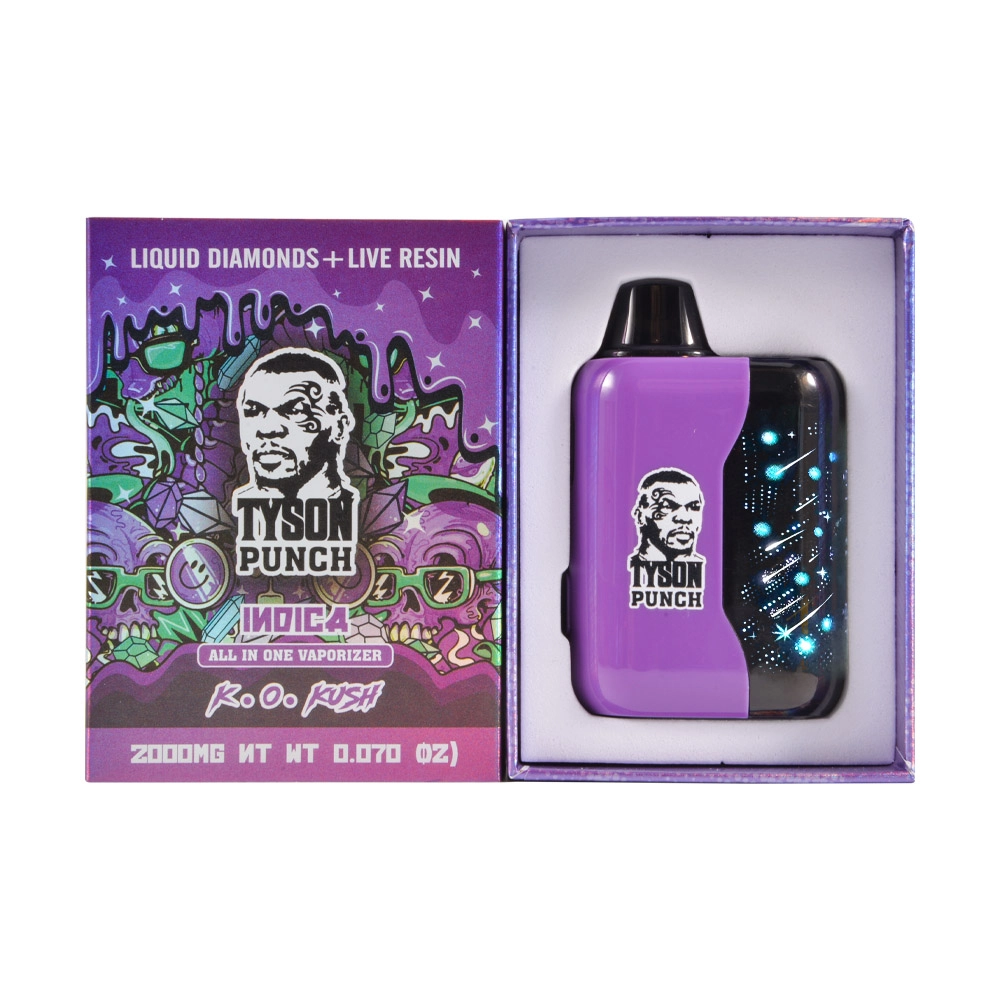
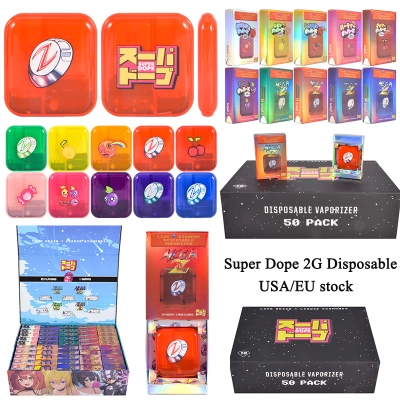
Direct verdict: Bulk-buying 2 g disposables only makes sense when authorization, complete compliance documentation, tiered pricing, and enforceable RMA terms are all in place. This guide covers hardware structure, authenticity, compliance, pricing, logistics, and receiving SOP—it does not make any claims about liquid composition or effects. Brand names, if mentioned by your team later, should be treated as references rather than endorsements.
Hardware & Build Quality (Consistency First)
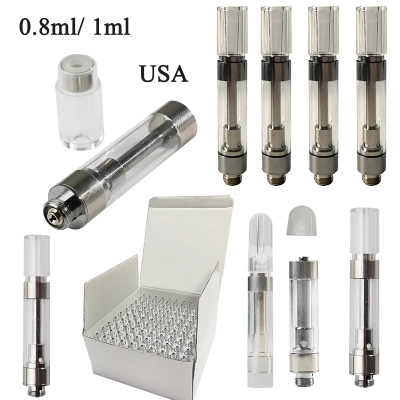
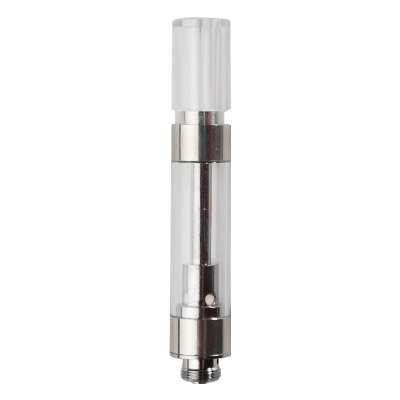
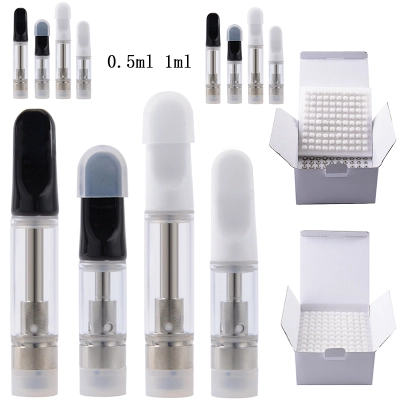
Atomization stack. Prioritize ceramic cores with stable resistance and food-contact wetted materials. Specify intake aperture ranges suited to your oil’s viscosity (e.g., 1.6–2.0 mm equivalent) and verify airflow geometry for smooth draw with minimal condensate.
Sealing architecture. Dual/tri-O-ring designs with precise cap torque prevent seepage under thermal cycling (hot/cold) and vibration. Require documented cap torque specs and acceptance ranges.
Mechanical robustness. Ask for drop, vibration, and thermal-shock summaries (e.g., ISTA-style distribution tests). Batch-to-batch alignment of mouthpiece, thread engagement, and enclosure fit should be gauged with dimensional reports or go/no-go jigs.
Electrical safety features. Over-current, short-circuit, over-temperature, and charge protection (for rechargeable variants) are table stakes; your vendor should be able to describe fault paths and show control-board test points.
What “consistency” looks like in practice: identical draw resistance across samples, zero seepage after 24 h inverted storage, and no taste drift caused by overheated cores or contaminated materials.
Safety & Compliance (What to Ask For—Every Time)
-
UL 8139 (electrical system safety for e-nicotine delivery devices): request the certificate or report cover page with model mapping.
-
IEC 62133-2 (rechargeable Li-ion cell/pack safety): obtain cell manufacturer’s test evidence tied to the actual cell part number used.
-
UN 38.3 Test Summary (transport safety for lithium cells/batteries): must match the shipped battery model and be included with the logistics dossier.
-
Dangerous Goods transport: ensure SoC (state of charge) limits, labeling/marking, and packaging align with current air/road/sea rules; confirm your carrier’s latest bulletin has been followed.
-
Child-resistant packaging (PPPA 16 CFR §1700.20) & tamper-evidence: ask for the CR test report summary and photos of the tested packaging.
-
ISO/IEC 17025 lab COAs for hardware-contact materials (RoHS/REACH screening) and any device-level emissions or cleanliness tests your program requires.
The key is traceability: the model number on each certificate must map 1:1 to the hardware you are buying.
Authenticity Workflow (From Carton to Unit)
-
Outer-box screening: verify print clarity, batch/lot, manufacturer identifier, CR/TE icons, and datestamps.
-
Security features: hologram/scratch-off + unique serial/QR that resolves to a verification page with batch details.
-
Data coherence: outer label batch = inner tray batch = unit code = COA number. Any mismatch is a hold.
-
Functional spot-check: random units powered/charged; confirm draw resistance and indicator behavior meet spec.
-
Leak/condensate check: store three random units inverted for 24 h at room temp; zero visible seepage is the acceptance criterion.
Log all results in a receiving worksheet tied to purchase order and carton IDs.
Pricing Tiers & Landed Cost (How to Know It’s Really Cheaper)
Tiered pricing usually improves at ~10/50/100/500+ units, with mixed-flavor or mixed-color options at mid-tiers and freight incentives at higher tiers. Compare quotes apples-to-apples using a landed-cost model:
Landed Cost per UnitLC = (Product + Freight + Duties/Taxes + Compliance/Admin + Insurance + Packaging + Expected-RMA Loss − Discounts) ÷ Accepted Units
-
Expected-RMA Loss = (Quoted defect rate × unit cost) adjusted by your historical acceptance and vendor’s replacement terms.
-
Recompute after receiving, using accepted units (post-QC), not shipped units.
Example sensitivity (illustrative):
1 % defects → ~−1 % margin; 3 % → ~−3 %; 5 % → ~−5 %; 10 % → ~−10 %. If your margin plan is <35 %, anything above 3–5 % defects likely breaks the model unless your sell-through is exceptional.
RMA & Quality Governance (Make It Contractual)
-
Defect definitions: leakage, no-power/no-charge, auto-fire, poor draw, mislabeling.
-
Evidence set: photos/video, serial/QR, batch/lot, PO/carton IDs, short failure description.
-
Service levels: acknowledgement ≤ 24 h; disposition (replace/credit) within agreed business days; prepaid return labels for > x % DOA.
-
Prevention loop: require quarterly Pareto of failures, CAPA summaries, and process updates (e.g., cap torque adjustment, O-ring material change).
Good vendors offer advance replacements for clustered defects and provide batch replacement rather than piecemeal swaps.
Logistics & Receiving SOP (Friction-Free, Audit-Ready)
Before dispatch
-
Confirm UN 38.3 Test Summary, packing instruction, and hazard labels.
-
Ensure SoC ≤ 30 % for air shipments when applicable, and inner pack cushioned to prevent activation.
-
Request a logistics dossier: packing list, MSDS/SDS, TS, label photos, and carrier DG acceptance if available.
On arrival
-
Record carton IDs → scan serial/QR samples → verify batch alignment with the COA list.
-
Apply AQL sampling (e.g., level II) for visual and functional checks.
-
Execute the 60-second quick check: printing, seals, QR/serial, power-on, 24 h inversion hold start.
-
Quarantine any anomalies; release only accepted units to inventory.
Maintain digital records for six years (typical retail audit horizon) or your jurisdiction’s requirement.
Terminology (Keep Teams Aligned)
-
2 g vs 2 mL: 2 g is mass; 2 mL is volume. Density varies by formulation; design intake and heating accordingly.
-
Empty hardware vs finished disposable: empty = hardware only (no liquid); finished = pre-assembled, ready to use. Compliance, transport, and documentation differ.
-
Scope disclaimer: this article addresses hardware, compliance, procurement, and process only—no efficacy or medical claims.
Buyer Checklist (Copy/Paste into Your Editor)
Authorization & Identity
-
☐ Distributor/license verified and current
-
☐ Model/sku on quote matches certificates
Compliance Pack
-
☐ UL 8139 device safety (model-mapped)
-
☐ IEC 62133-2 cell/pack evidence
-
☐ UN 38.3 Test Summary for shipped cells
-
☐ CR packaging (PPPA) + tamper-evidence
-
☐ ISO/IEC 17025 lab COAs (materials screening)
Pricing & Landed Cost
-
☐ Tiered quote (10/50/100/500+) with mix options
-
☐ Freight, duties, insurance, compliance/admin itemized
-
☐ Expected-RMA rate and credit/replace policy
Quality & RMA
-
☐ Defect definitions written into PO/contract
-
☐ SLA: response ≤ 24 h; resolution window defined
-
☐ CAPA reporting and batch replacement terms
Logistics & Receiving
-
☐ DG labeling/SoC/pack instructions confirmed pre-ship
-
☐ Carton/batch/serial mapped to COA list
-
☐ AQL sampling plan and 24 h inversion test in place
Go/No-Go Gate
-
Proceed only if all boxes ticked and LC/Unit meets margin model at your planned sell-through.
Call to action: Request the full compliance pack, a tiered quote, and pilot samples. Run the 24-hour inversion and functional checks, compute Landed Cost per Unit using accepted pieces, and lock in RMA terms before issuing your first large PO. This is how you turn 2 g disposable hardware into a predictable, compliant, and profitable SKU.
If u wanna know more details, pls click to these pages: USA tyson 2grams, USA tyson 2ml vape,tyson 2g disposable thc




0 Comments