
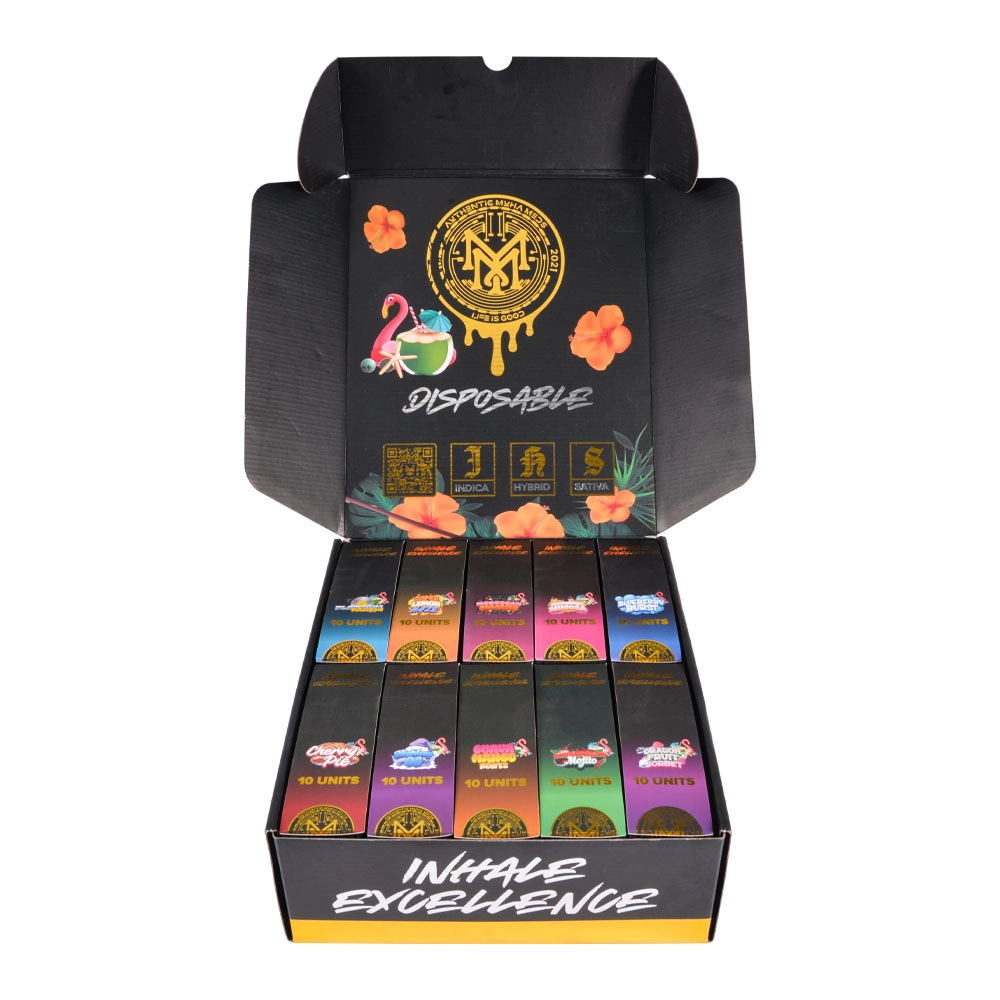
Who this is for: licensed brands, fillers, and distributors evaluating Muha-style empty 2 g disposables and pods. This guide explains the platform in hardware terms—what it is, why it’s popular, and how to evaluate it with the same rigor you apply to your oil and compliance.
1) What “Muha Meds” Means in Hardware Language
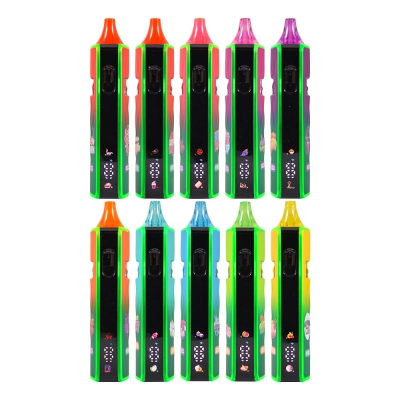
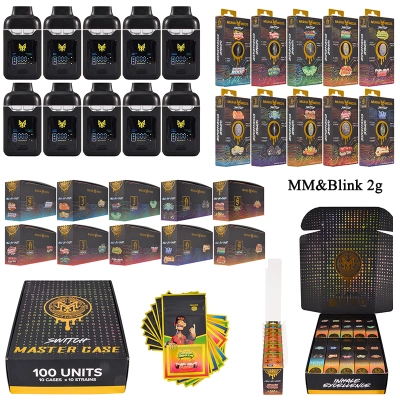
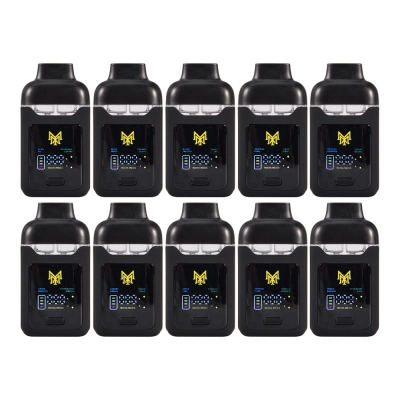
When people talk about Muha Meds disposables, they often mean a 2 g rechargeable chassis known for thick-oil compatibility, reliable hit quality, and bold industrial design. For B2B buyers operating empty hardware only, translate that buzz into procurement criteria:
-
True 2.0 mL class reservoir with a safe fill line
-
Ceramic heating element and tuned airflow for viscous oils (live resin/rosin/high-terp blends where legal)
-
USB-C rechargeable battery sized to finish the tank under typical use
-
Low leak rates proven by air-tightness and environmental stress testing
-
Large print/label zones for warnings, batch IDs, and brand assets
If a prospective supplier can’t show how their device meets these points, you’re buying a look—not a platform.
2) Why the Platform Took Off (and What to Verify)
User experience: smooth draw, fewer clogs, and consistent vapor when the intake geometry and ceramic element are matched to viscosity.
Ops friendliness: stable molds, predictable tolerances, and docking well with modern filling temps and cure times.
Shelf power: rectangular bodies with ergonomic mouthpieces present like mini billboards—useful for compliance text and brand differentiation.
Your job at intake: ask for the paperwork and pilot-run evidence to prove all three.
3) The Four Pillars of a Serious Muha-Style Device
A. Oil Path & Airflow
-
Intake count and diameter sized for the oil you actually fill
-
Short, smooth channels to limit back-pressure, crystallization, and gurgle
-
Consistent draw resistance across batches (no “lottery” feel)
B. Ceramic Heating & Output Control
-
Mature ceramic formulation with even thermal distribution
-
Output profile designed to preserve terpenes (not just “max power”)
-
Optional gentle preheat to clear condensation without scorching
C. Battery & Electrical Safety
-
Rechargeable lithium cell with protections for short-circuit, over-charge, and over-discharge
-
Transport testing summaries for cells/packs and a clear device-safety design statement consistent with contemporary lithium and vape-system expectations
D. Leak-Rate & QC Discipline
-
Air-tightness/pressure testing at the assembly stage
-
Environmental stress testing (thermal cycles, vibration, drop)
-
Documented AQL targets for DOA and leaks, plus corrective-action flow
4) Materials & Heavy-Metal Discipline (Taste and Safety)
Insist on component declarations for all oil-contact parts and assembled-unit testing for heavy metals. Taste drift after thermal cycling should be minimal; off-notes indicate material bleed or poor seal chemistry. At this tier, “we use good materials” is not data—ask for current reports.
5) Brandability Without Risk
Keep the boundary bright:
-
You source unfilled, unbranded shells compatible with Muha-style positioning.
-
You control IP authorization, artwork, and finished-goods compliance.
-
The device should provide clean surfaces for legal text, batch IDs, and verification labels without crowding or tiny fonts.
6) Procurement Playbook (Beginner-Friendly but Audit-Ready)
-
Scope confirmation: empty hardware only; no prefilled offers.
-
Technical dossier: exploded views, dimensions, intake specs, resistance range, recommended fill/cure.
-
Safety evidence: battery protections, transport test summaries, assembled-unit materials tests.
-
Factory QC: leak/DOA targets, pressure-test method, environmental stress profile, RMA terms.
-
Pilot run: fill 300–500 units, ship through heat/cold, measure leaks, clogs, runtime, and first-week complaint rate.
-
Scale plan: MOQs for standard vs custom shells, real lead times at 5k/10k/50k/100k, stable mold and BOM control.
7) FAQ (Quick Answers for New B2B Buyers)
Is a Muha-style device just a shape?
No. It’s a set of engineering choices—intake, ceramic, airflow, battery—that together create the experience you’re paying for.
What single document matters most?
A current tech + compliance packet: specs, safety design statements, and assembled-unit materials tests—plus your own post-fill COAs per lot.
How do I prevent burnt hits on terp-rich formulas?
Pair ceramic with sane output profiles and validate on your actual oil during the pilot (not just vendor oil).
What’s a realistic success metric?
Pilot lots that meet your leak/DOA thresholds, deliver consistent draw, and finish the tank with minimal support tickets.
Bottom Line
People talk about Muha disposables because they can deliver thick-oil reliability, low leak rates, and recognizable industrial design. Beginners become pros when they require the paper trail and pilot data that prove it—before scaling a single PO.
If you wanna know more details, pls go to these pages: wholesale muha meds, custom muha meds disposable, muha meds disposables 2 gram.


0 Comments