
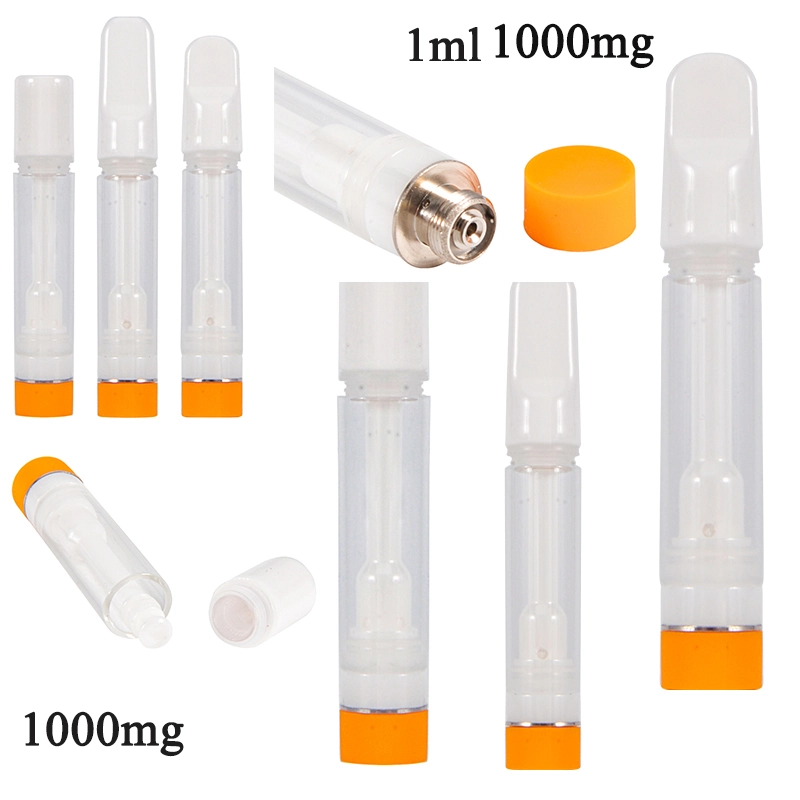
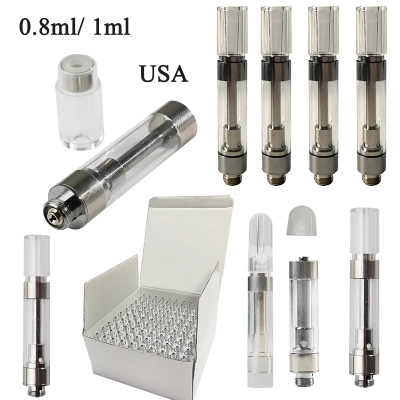
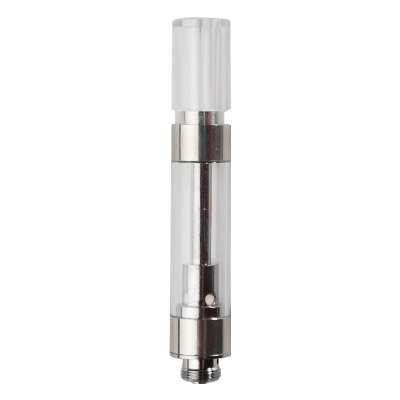
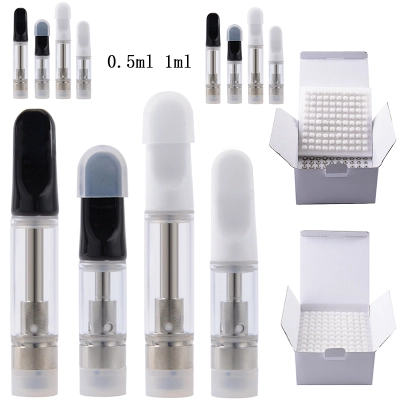
If you’ve ever wondered why some 510 cartridges stay clean and consistent while others darken, leach flavor, or clog after refills, the answer is usually materials + assembly. In this lab-style teardown, we compare common tank, mouthpiece, metal path, seals, and wicks used in refillable/empty 510 carts. You’ll see what each material is supposed to do, where it can fail, and how to verify quality without invasive, coil-killing experiments. Treat this as a practical buyer’s guide for OEMs, fillers, and distributors.
Specs Table
Device Dimensions & Weight
Form factors vary, but materials drive most performance deltas. Keep a basic record for each SKU you test.
| Spec | Typical Range / Note |
|---|---|
| Capacity | 0.5 g / 1.0 g (by mass; viscosity dependent) |
| Thread | 510 standard |
| Tank Material | PCTG / glass (borosilicate) |
| Metal Path | SS316L / SS304 / brass (plated) |
| Seals | Silicone (platinum-cured) / FKM (Viton®-class) |
| Wick/Coil | Porous ceramic + micro heater |
E-liquid Capacity & Chamber Structure
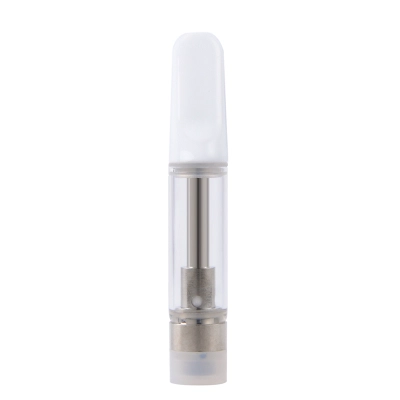
Most 510 carts route oil from reservoir → intake ports → ceramic wick → chimney. Material choice in these zones affects chemical compatibility, taste neutrality, leak risk, and cleanability.
Battery & Charging Specs
Any regulated 510 battery for low-temp warmups is fine for functional checks. This article focuses on hardware—not power tuning.
Coil & Heating Element
Nearly all modern carts use a porous ceramic body with an embedded heater. Ceramic’s micro-porosity aids capillary action; its binder chemistry and sinter quality influence taste and longevity.
Screen Features
N/A for most 510 pens. LED indicators suffice for warmup checks.
Note: Where numeric results would normally appear (e.g., extractables, seal compression set), we label “TBC via supplier/third-party lab”. Always validate with real reports before publishing specs.
Unique Features (What We Compared)
-
Tank walls: PCTG vs borosilicate glass
-
Mouthpiece bodies: PCTG/PC/ABS vs metal-sleeved tips
-
Metal in contact path: SS316L/SS304 vs brass + plating
-
Seal stacks: silicone vs FKM (fluoroelastomer)
-
Wick/coil: ceramic composition, density, and finish
We did non-destructive observation, then disassembly/teardown of off-the-shelf empties, looking at fit, surface finish, burrs, adhesive use, and seal geometry. Results below are generalized patterns you can reproduce in your own line checks.
Switch Mechanism & Risks (Applied to 510 Carts)
There’s no flavor “switch” like dual-chamber disposables, but similar risk physics apply:
-
More interfaces = more leak paths. Glass tank + metal collar + separate tip often means extra O-rings and adhesives compared to one-piece polymers.
-
Thermal expansion mismatch. Glass/metal interfaces tolerate heat differently; poor tolerances can create micro-gaps after hot-cold cycles.
-
Surface energy & wetting. Some polymers hold films and lint more than glass, changing how residue builds at the chimney.
Implication: The “premium” bill of materials isn’t always the most leak-resistant; design + tolerances + seal chemistry matter as much as the headline material.
Safety & Compliance Standards (What to Reference, Not Claim)
Use standards as evaluation frameworks, not marketing badges:
-
UL 8139 (device electrical/heating/charging safety)—relevant to complete e-cig devices.
-
IEC 62133-2 (rechargeable lithium cells/batteries)—if your device includes a rechargeable battery (cartridges usually don’t).
-
Food-contact and chemical compatibility—ask for supplier declarations (e.g., materials grades, BPA-free assertions for PCTG) and any extractables/leachables screens from reputable labs.
Keep language conservative: “evaluated with reference to…” rather than “approved/certified,” unless you hold valid, scope-matched certificates.
Transport & Packaging Compliance (When Shipping Filled Carts)
-
UN 38.3 Test Summary—applies to batteries in the paired pen/battery, not the cartridge alone.
-
IATA DGR—air shipment rules (again, for batteries/devices).
-
ISTA 3A—useful to validate parcel-shipping durability of your final packed units (trays, blisters, boxes) to reduce breakage/leaks in transit.
For empty glass tanks, ISTA 3A is especially helpful to tune inner supports and corner protection.
Quality Control Checklist (Materials-Focused)
-
Incoming (IQC): Verify tank substrate (glass vs PCTG), check clarity, bubbles, edge chips; confirm metal grade (supplier declaration), plating uniformity, and thread cleanliness.
-
In-process (IPQC): Measure O-ring compression, chimney concentricity, torque windows for tips, and intake port burrs.
-
Outgoing (OQC): Leak screens (room temp soak), thermal cycling (hot/cold), airflow baseline, visual lint check at mouthpiece.
Set AQL based on risk: Critical (leak, cracked tank, loose center pin), Major (misaligned chimney, plating bare spots), Minor (cosmetic scuffs).
Authenticity & Verification Steps
-
Bill of Materials (BOM) request: Tank polymer grade or glass spec; metal grade for center post and housing; seal elastomer type; wick binder info.
-
Vendor docs: Material declarations, RoHS/REACH statements if applicable, any extractables/leachables summaries.
-
Physical tells: Consistent glass clarity, even plating color, clean laser marks, uniform O-ring durometer (feel).
2025 Update (What’s Changing)
-
Glass comeback with better collars: More vendors ship reinforced glass sleeves/collars to reduce edge chips.
-
Higher-grade silicones or FKM in seal stacks: To improve high-terpene compatibility and lower compression set.
-
Refill-friendly designs: Wider intake ports with improved deburring to tolerate thicker winter oils at low temp.
References
Use manufacturer material data sheets, independent lab notes, and recognized standards for evaluation. For product-specific claims, publish real report numbers (redacted if needed) and versions.
Step-by-Step: Lab-Style Comparison You Can Reproduce
-
Visual & Weigh-In
Log empty mass and inspect: tank clarity (haze, bubbles), seam lines, plating uniformity, burrs at the intake ports. -
Hot/Cold Cycle (Non-filled)
Run 3 quick cycles (e.g., 5 °C → 40 °C → 5 °C). Look for sudden fogging, seal creep, or tip loosening—signs of expansion mismatch. -
Solvent Wipe Test (External Only)
Lightly wipe exterior shell with isopropyl on a cotton swab—observe any stress whitening on polymers; check if plating bleeds color (poor finish). -
Disassembly & Microscopy (If Possible)
Under magnification, examine O-ring cross-section, gate vestiges on plastic parts, and ceramic surface (uniform pore structure vs dusty edges). -
Airflow Baseline
With battery off, perform a gentle draw; note resistance and any whistle (misaligned chimney) or flutter (burrs at air path). -
Short Warmups (No Oil)
A couple of 1–2 s preheats at the lowest setting to check heater stability (no tick/creak indicating loose interfaces). -
Compatibility Notes (When Filling)
If you do fill for testing, compare PCTG vs glass for cleanability after a cycle; log whether the mouthpiece bore accumulates more film on polymer than glass.
Materials Head-to-Head Findings (Generalized)
Tank: PCTG vs Borosilicate Glass
PCTG (copolyester)
-
Pros: Impact-resistant, light, one-piece designs reduce interfaces (fewer leak paths).
-
Cons: Can show stress whitening after aggressive solvent contact; may hold a thin film that attracts lint; long-term flavor neutrality depends on polymer grade.
-
Best use: Mobile-friendly SKUs where drop resistance is key.
Borosilicate Glass
-
Pros: Excellent taste neutrality and high clarity; resists most cleaners on the outside; easy to visually inspect oil.
-
Cons: Edge chips if collars are thin; more interfaces (glass + metal) can create leak risks without tight tolerances.
-
Best use: Premium flavor SKUs where visual purity matters and packout is well-engineered.
Metal Path: SS316L/SS304 vs Brass (Plated)
Stainless (316L/304)
-
Pros: Austenitic grades offer good corrosion resistance and taste neutrality; 316L preferred in harsher environments.
-
Cons: Slightly costlier; machining finish must be controlled to avoid micro-burrs.
-
Watch for: Authentic grade declarations; magnet test is not definitive—ask for material certs.
Brass (with plating)
-
Pros: Easy to machine; low cost.
-
Cons: Quality hinges on plating integrity (pinholes, thin spots) and base alloy; poor plating can discolor or affect taste.
-
Watch for: Even color, no edges with thin plating; supplier’s plating thickness spec.
Seals: Silicone vs FKM (Viton®-class)
Silicone (platinum-cured)
-
Pros: Soft, forgiving seal; widely used; easy to compress.
-
Cons: Compression set can rise after heat cycles; certain flavor systems may swell it over time.
-
Good for: General use with moderate terpene loads.
FKM (fluoroelastomer)
-
Pros: Better chemical resistance and compression-set performance; holds shape over more cycles.
-
Cons: Higher cost; requires careful durometer choice to avoid harsh feel.
-
Good for: High-terpene or hot-fill environments.
Mouthpiece: Polymer Tips vs Metal-Sleeved
Polymer Tips (PCTG/PC/ABS)
-
Pros: Warm mouth-feel, light weight; no thermal shock on lips.
-
Cons: Can scratch; some grades show solvent stress whitening; aesthetics may dull over time.
Metal-Sleeved Tips
-
Pros: Premium look; durable finish (if quality plating); precise threads/press fit.
-
Cons: Can feel cool on lips; adds mass; more interfaces to seal.
Wick/Ceramic
Porous ceramic (varied binders, densities)
-
Pros: Stable capillarity, smooth vapor, consistent taste when binder is cleanly fired.
-
Cons: Over-dense ceramics choke viscous oils; under-sintered pieces shed dust.
-
Buyer tip: Ask for particulate shedding tests and a micrograph or surface roughness note.
Summary & CTA
The “best” 510 cartridge material stack depends on your goals:
-
Taste priority: Glass tank + stainless path + high-grade seals, with packout engineered to protect glass.
-
Leak resistance & durability: One-piece PCTG designs with simplified interfaces and carefully chosen seals.
-
Harsh formulations / high-terpene loads: Favor FKM seals, request ceramic micrographs, and run hot-cold leak screens.
Before you scale an SKU, run the lab-style steps above, insist on genuine material declarations, and log findings per batch. Want a printable teardown worksheet (with photo boxes, checklists, and pass/fail fields) you can hand to QC? Say the word—I’ll generate a one-page PDF and a CSV template you can use on every incoming lot.
Finally, if you wanna order empty vapes wholesale, could go to these pages:cbd vape pen, cbd vape cartridge,vape cartridge,.5g cart,cart 1g


0 Comments