
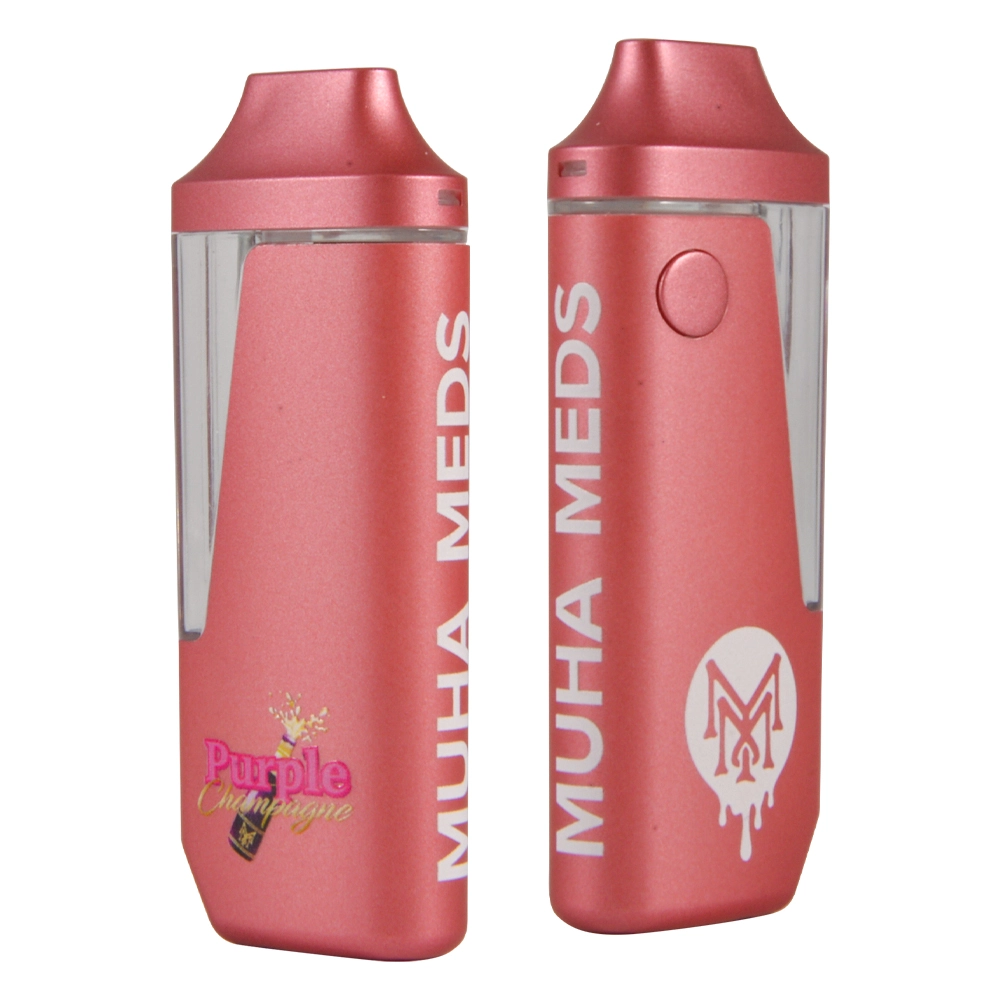
Clog complaints kill repeat orders faster than almost any other hardware issue. In Muha-style 2G empty pods and disposables, most clog problems are not magic—they’re geometry and timing. If the intake area is wrong or the soak time is rushed, even the best formulations will feel inconsistent. For B2B buyers, that means clogs are not “just the oil’s fault”; they are a shared responsibility between hardware spec and filling process.
This article focuses on empty Muha-style hardware only—intake area, internal design, soak behavior, and QC. No discussion of oil recipes, THC, or nicotine; only the shell and the way it should be used.
Why Clogs Are Mostly a Design and Process Problem
When customers say “clogged,” they usually mean one of three things:
-
No airflow – feels like pulling through a blocked straw.
-
Delayed start – requires multiple pulls before vapor appears.
-
Intermittent draw – sometimes smooth, sometimes blocked.
From a hardware perspective, the main causes are:
-
Intake area too small or too few inlets.
-
Inlet placement that traps bubbles or restricts feed.
-
Insufficient soak time after fill and cap.
-
Channel design that encourages pooling or cold spots.
If you treat these as design and process knobs, you can engineer clogs down instead of just “hoping for the best.”
Intake Area: How Much Is Enough?
Muha-style pods typically rely on multiple small intake inlets feeding a ceramic or similar core. B2B buyers should insist on:
-
A defined total intake area (sum of all inlet cross-sections).
-
Reasonable tolerance on each inlet diameter.
-
Clear drawings showing inlet position relative to the reservoir base.
Too small an intake area and high-viscosity formulations will not feed reliably; too large and you risk flooding and spitback. For most Muha-style geometries, the design target is a set of inlets large enough to handle thick liquids, distributed so no single inlet has to carry the whole load.
Intake Symmetry
Even if the total area is “right,” poor symmetry causes issues:
-
All inlets on one side → tilting during use can starve the core.
-
Uneven spacing → some areas feed well while others dry out.
A good Muha-style intake design favors symmetry and redundancy so normal user handling doesn’t starve the heater.
Soak Times: Why Rushing the Rack Fails
Even perfect intake geometry fails when soak times are treated as optional. After filling and before shipping, pods need time for liquid to:
-
Wet the intake inlets.
-
Saturate the porous core.
-
Equalize around the heater.
In a B2B filling environment, soak times are often squeezed to make room for higher throughput. That’s exactly how “cloggy” lots happen.
Practical Soak Guidelines
Exact times depend on the liquid, but your hardware SOP should include:
-
A minimum soak time for each Muha-style SKU after fill and cap.
-
A consistent orientation (upright vs inverted vs horizontal) during soak.
-
A rule that soak time starts after the last handling step that might disturb the liquid.
Even better, pilot a few soak durations and record:
-
First-draw performance after each time.
-
Share of units that feel “cloggy” at each interval.
Choose the shortest soak that still delivers stable first-draw performance—and lock that into your standard work.
Hardware Spec: What B2B Buyers Should Freeze
To keep clog behavior predictable, your Muha 2G hardware spec should lock down:
-
Number of inlets and their nominal diameter.
-
Distance from inlets to the internal base (to avoid trapped bubbles).
-
Core material type and target porosity range.
-
Chimney and mouthpiece channel size (overly narrow chimneys amplify clog perception).
Treat these as critical-to-quality (CTQ) items. Any change in mold, drill, or component supplier that affects them should trigger a formal re-qualification.
QC Gates That Catch Clog Risks Early
You do not need a lab to catch most clog-prone lots; you need simple, disciplined checks:
-
Visual inlet inspection – confirm inlets are open, not blocked by flash or debris.
-
Post-soak draw test – on a small sample, simulate first use after the defined soak.
-
Stress checks on a few units – cold storage or mild temperature swings, then retest draw.
If a pilot lot shows a higher rate of “hard start” or “no draw,” pause before scaling. Don’t let that behavior into full production where it becomes a support problem.
Turning Muha-Style Pods into Low-Clog Platforms
Clogs will never disappear entirely, but for Muha-style empty pods, you can cut them down dramatically by:
-
Specifying intake area and symmetry up front.
-
Freezing those CTQs in your drawings.
-
Enforcing standard soak times in your filling SOP.
-
Adding simple draw checks after soak for each lot.
When you treat intake and soak as engineered levers instead of mysteries, Muha-style pods stop being “temperamental” and start acting like what they should be: a controlled, repeatable platform your B2B customers can rely on.



0 Comments