

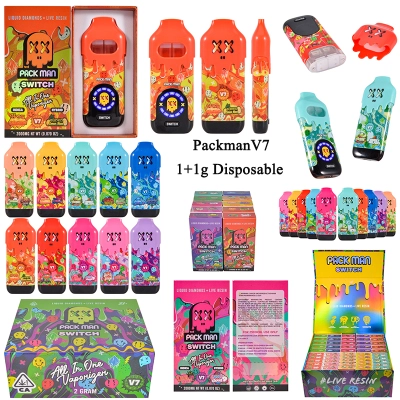
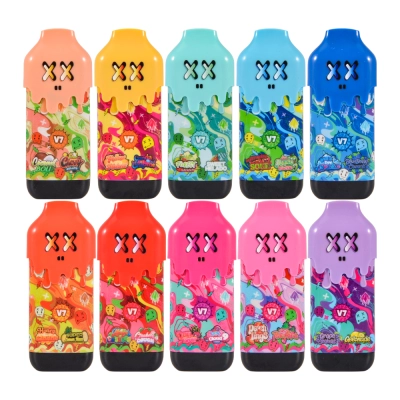
You make B2B programs run smoother with Packman 2G Empty Pods (hardware only) by defining clear acceptance bands (what “pass” looks like) and locking in practical RMA/CAPA terms (how failures are handled, documented, and prevented from repeating). “2G” is often used as a market-facing capacity label, but procurement teams get the best consistency by controlling what’s measurable on empty hardware: seal integrity, draw consistency, electrical contact stability, fitment, cosmetics, and packaging durability. When those pass/fail rules are written up front—and tied to sampling, defect classes, and evidence requirements—your receiving team moves faster, disputes shrink, and repeat orders become predictable.
Key Takeaways
-
Acceptance bands turn “quality” into decisions. Define measurable pass/fail ranges for leak screening, draw consistency, fitment gaps, cosmetic defects, and packaging integrity to eliminate grey-area arguments.
-
RMA terms protect margin and relationships. A clear DOA window, evidence standards, and lot/serial tracking prevents costly “he-said-she-said” return disputes.
-
CAPA terms stop repeat failures. A structured corrective-and-preventive workflow (containment → root cause → fix → effectiveness check) is how B2B hardware programs scale without scaling support headcount.
2G Standard and B2B Value
SKU Management Benefits
A “2G pod program” becomes easier to manage when you treat it as a stable platform and avoid multiplying SKUs with minor, confusing variations. Standardizing on one baseline build (form factor + sealing scheme + contact layout + packaging format) lets you operate with one master spec sheet and one inspection SOP. That reduces training time for warehouse teams, simplifies onboarding for new customers, and improves data cleanliness across your ERP, spreadsheets, and sales channels.
In practical terms, fewer variants means fewer mis-shipments and fewer returns caused by “wrong item received.” It also improves forecasting: demand signals don’t fragment across near-duplicate listings. You can keep differentiation where it belongs—finish, packaging, labeling layout, and bundle configuration—without turning capacity/format into a catalog mess.
Tip: Keep “2G” consistent in marketing labels, but keep internal specs grounded in measurable QC characteristics.
Regulatory/Market Requirements Overview
Even for hardware-only pods, downstream channels often require minimum presentation standards: batch traceability fields, consistent labeling zones, tamper-evidence options, and packaging robustness for distribution. Treat these as market requirements confirmed per destination and channel. The simplest way to stay flexible is to design packaging layouts with “reserved zones” (barcode, lot code, date field, warning/marking area if needed) so you don’t have to redesign every time a retailer or region changes requirements.
2G vs 2ml/2000mg Clarification
You’ll see 2G, 2ml, and 2000mg used loosely, but they are not interchangeable:
-
2G / 2000mg: mass (often a shorthand for intended fill amount)
-
2ml: volume (reservoir size)
-
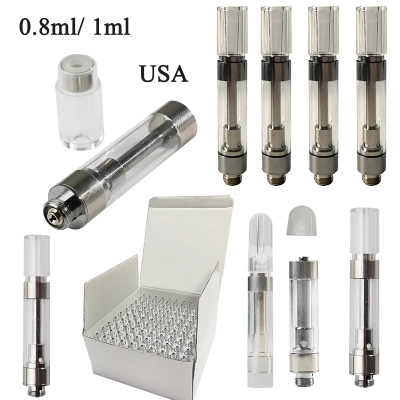
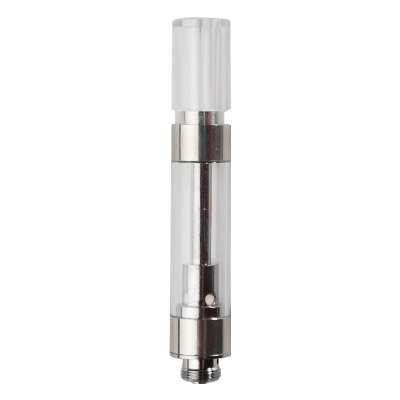
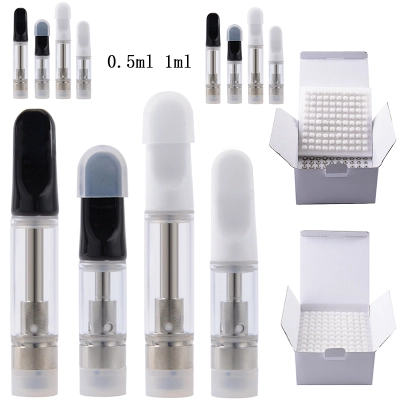
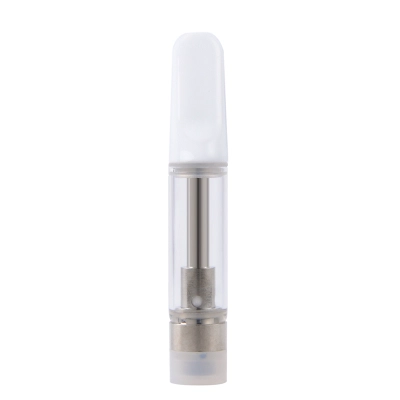
Empty pod hardware: should be controlled by dimensions, sealing, airflow, and electrical contact—not by “grams”
For procurement and QC, use “2G” as the product label, but define quality using acceptance bands tied to what your inspectors can verify.
Packman 2G Empty Pod: Simplifying B2B Procurement with Acceptance Bands
Reduced After-Sales Issues
Most RMAs come from a short list of failure modes: leaks/condensation, inconsistent draw, poor electrical contact, cosmetic rejects, and packaging damage. Acceptance bands reduce RMAs because they prevent “almost acceptable” units from slipping into shipments. When your team knows exactly what to measure and what fails, defects are contained at receiving rather than turning into downstream complaints and credits.
Note: A slightly stricter acceptance band at receiving usually costs less than reshipments, chargebacks, and relationship damage.
Easy Product Onboarding
Onboarding becomes template-driven when you standardize four things:
-
One spec sheet with acceptance bands
-
A golden sample approval process
-
A repeatable incoming inspection checklist
-
A defect classification system (Critical / Major / Minor)
Onboarding checklist:
-
Confirm build version + packaging version
-
Verify fitment (pod-to-device interface, mouthpiece seating, seals)
-
Run quick leak screen + draw consistency sampling
-
Verify marking/lot fields and packaging integrity
Reliable Repeat Orders
Repeat orders fail when suppliers change materials, tooling, or assembly steps without notice. Add a simple rule: any change requires a revision notice and sample re-approval. If you treat the golden sample as the “contract,” you reduce drift and keep your acceptance bands meaningful across months of reorder cycles.
Key Hardware Specifications
Leak-Proof Design
Leak performance is a system outcome: seal surfaces, assembly pressure, weld/clip consistency, and internal alignment. Your acceptance band shouldn’t be “looks okay.” It should be tied to a defined screening method (for example: controlled orientation hold + visual check, or a pressure/visual check per your SOP).
Inspection points:
-
Seal lines are continuous and uniform
-
No visible gaps at interfaces
-
No residue paths that suggest seepage
Consistent Airflow
Draw issues create outsized dissatisfaction because they’re instantly felt. Sample across the lot and compare variance. Define what constitutes an unacceptable outlier (e.g., “tight draw” units that stand out from the rest).
Inspection points:
-
Draw is consistent across sampled units
-
No obvious obstruction or debris
-
Air inlets are aligned and unobstructed
Stable Electrical Contact and Atomizer Assembly
Empty pods still need reliable electrical contact points and consistent internal assembly. Define acceptance bands for contact stability and for any continuity/fit checks you run.
Inspection points:
-
Contact pins/plates are aligned and seated
-
No loose parts or rattle
-
Passes your continuity/fit verification step
Uniform Exterior Finish
Cosmetic rejects are common in B2B receiving. Define major vs minor defects so decisions are consistent.
| Defect Type | Major Example | Minor Example |
|---|---|---|
| Color/finish | Wrong finish | Slight variation |
| Burrs | Sharp edge | Small rough spot |
| Scratches | Deep scratch | Light surface mark |
| Gaps | Visible opening | Tiny misalignment |
Packaging and Labeling Options
Packaging is part of quality. If cartons collapse or labels misalign, you get refusals. Define packaging acceptance bands too: barcode readability, lot code presence, tray protection, and tamper-evidence placement.
Quality Control and Inspection
Sample and Batch Testing
Use a consistent sampling approach that matches your risk level and defect history. Many B2B teams use attribute sampling systems (commonly referenced via ISO/ANSI AQL frameworks) because they create defensible accept/reject decisions without 100% inspection. The operating principle is simple: sample each lot, classify defects, accept/reject using thresholds, and tighten inspection if defect rates rise.
Inspection Checklist
-
Supplier, PO, and lot/batch ID
-
Quantity received + sample size
-
Visual/cosmetic inspection (Major/Minor)
-
Seal/leak screening per SOP
-
Airflow consistency sampling
-
Electrical contact/fit verification
-
Packaging integrity + barcode/lot readability
-
Photo log + inspector notes stored for traceability
Procurement Specs Table (Acceptance Bands)
Below is a practical starting template. Replace the “Acceptance Band” values with your validated requirements and golden sample benchmarks.
| CTQ Item | Target | Acceptance Band (example) | Test Method | Defect Class |
|---|---|---|---|---|
| Leak screen | Pass | No visible leak/seep | SOP screen | Critical/Major |
| Draw consistency | Stable | No “tight/airy” outliers | Sample compare | Major |
| Contact stability | Pass | No intermittent contact | Fit/continuity | Major |
| Assembly gaps | Minimal | No visible gap; gauge ≤ ___ | Visual/gauge | Major |
| Cosmetics | Clean | Per defect rules | Visual | Minor/Major |
| Packaging integrity | Intact | No crush/tear; codes readable | Handling check | Major |
Common Issues and Solutions Table
| Problem | Likely Cause | Containment Action | Corrective Action | Re-Inspection |
|---|---|---|---|---|
| Leaks/condensation | Seal variance | Hold lot, sort | Seal/process fix | Re-screen leak |
| Tight/airy draw | Air path drift | Sort outliers | Alignment control | Draw re-sample |
| Intermittent contact | Pin seating | Hold/segregate | Tooling/SOP fix | Contact re-check |
| Cosmetic rejects | Handling | Add protection | Process/pack tweak | Visual re-check |
| Package damage | Weak trays/cartons | Upgrade protection | Packaging redesign | Handling re-test |
Supply Chain and Delivery Info
MOQ and Lead Time
Define these as controlled RFQ fields:
-
MOQ (stock): ___
-
MOQ (custom packaging): ___
-
Lead time (stock): ___ days
-
Lead time (custom): ___ business days
-
Sample timeline: ___
Packing and Traceability
-
Clear count per carton + inner trays
-
Barcode + lot/batch + date field
-
QC record retention + photo log mapped to lot ID
Contact and Responsibility
Responsible party: ____________________
Last update: December 2025
After-sales contact: ____________________
Sample request: ____________________
RMA Terms (What Gets Returned and How)
Set RMA rules to prevent abuse and accelerate fair resolutions:
-
DOA window: ___ days from delivery
-
Evidence required: photos/video + lot/batch code + qty affected
-
Return condition: define unused/handling rules clearly
-
Exclusions: physical damage from mishandling, missing codes, unauthorized rework
-
Disposition options: credit, replacement, partial credit after inspection
-
Freight terms: define who pays inbound/outbound under what conditions
CAPA Terms (How You Prevent Repeat Failures)
Define CAPA expectations up front:
-
Method: structured 8D-style flow (containment → root cause → corrective action → preventive action → effectiveness check)
-
Artifacts: revised SOP, training record, change notice, and re-approval sample if needed
-
Effectiveness check: tighten sampling on the next lots until stability is proven
FAQ
What are “acceptance bands,” and why do they matter?
They are defined pass/fail ranges for critical characteristics. They reduce arguments and prevent borderline units from shipping.
How do I choose sampling intensity?
Start stricter for new suppliers or new builds, then relax only after consistent performance. Tie it to defect history and business risk.
What’s the difference between RMA and CAPA?
RMA is the return/credit process for a specific incident. CAPA is the structured process that prevents the same incident from repeating.
What data should I require for RMAs?
Lot/batch ID, quantity, defect description, photos/video evidence, and receiving/handling context.
How do I reduce leak-related RMAs fastest?
Tighten seal screening acceptance bands, add targeted containment sorting for suspect lots, and require documented process fixes before the next shipment.
What should trigger a mandatory re-approval sample?
Any material/tooling/assembly change, packaging change, or repeated defect trend—especially for leak, draw, or contact failures.





0 Comments