
Introduction
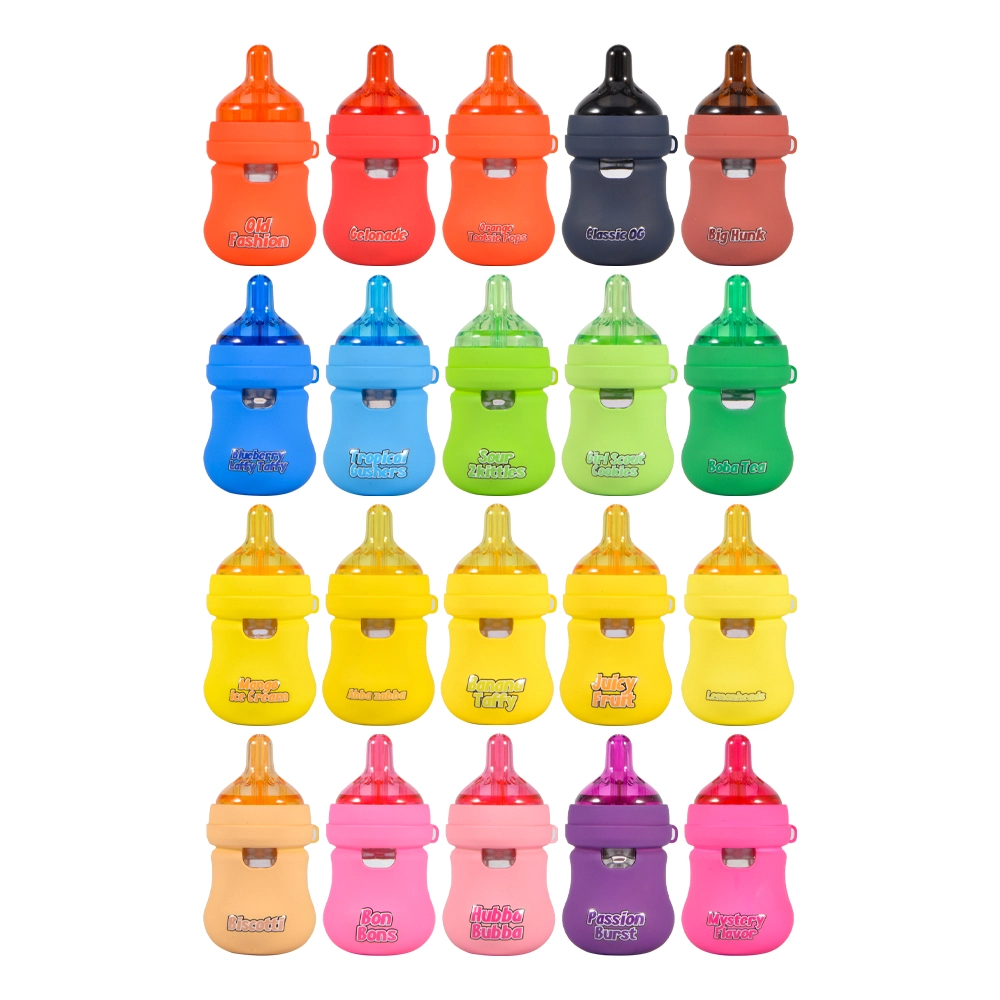
In today’s rapidly evolving hardware landscape, understanding the core design and engineering of devices is critical for informed business decisions. For companies evaluating a 2g-class chassis such as the Crybaby Disposable 2g Baby Bottle Edition, the first step is to grasp what truly defines the product beyond its marketing visuals. At the top of the funnel (TOFU), the goal is not to determine whether it will fit your formula or brand strategy — that comes later. Instead, it is about learning the key structural, electrical, and material components that govern performance, reliability, and user experience.
Even before considering your own formulations or market channels, the shell, coil, battery, housing, and packaging represent measurable variables. Each element contributes to functionality, safety, and scalability. An early understanding of these factors can prevent misalignment in downstream production, reduce the risk of quality failures, and help your team communicate intelligently with suppliers or designers. By framing the right questions at this stage, you create a strong foundation for more detailed mid-funnel and bottom-funnel evaluations.
1. Tank and Chamber Fundamentals
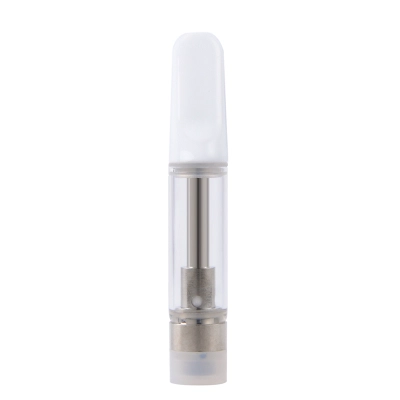
The tank or chamber is the core of any 2g-class chassis. Its dimensions, material composition, and geometry influence performance at multiple levels. Key considerations include nominal volume, shape, and tolerance bands. For instance, a chamber that is tall and narrow may drain differently than one that is shorter and wider. Areas where liquid could stagnate, or “dead pockets,” create risks for inconsistent delivery and possible quality complaints.
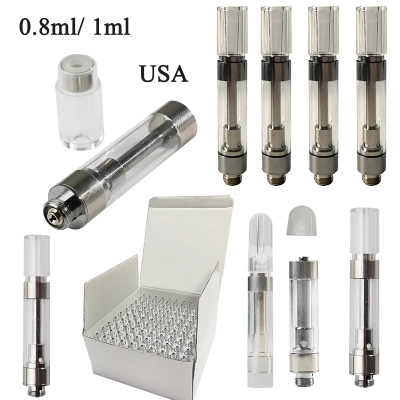
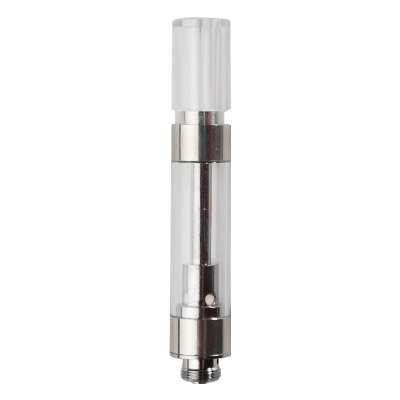
Materials are equally critical. Polymers such as PCTG are often selected for transparency and chemical stability, while metal components such as 316L stainless steel are standard for internal posts due to corrosion resistance. Elastomers used for seals must ensure leak-proof performance and maintain resilience under temperature and pressure fluctuations. At the TOFU stage, companies should focus on whether the chamber’s design appears consistent, robust, and suitable for testing — not necessarily whether it meets exact formula compatibility yet.
Evaluating nominal volume and geometry at this stage provides qualitative insight into potential filling strategies, handling requirements, and scalability. Collecting basic specifications now allows teams to benchmark against internal standards in later evaluation stages.
2. Coil and Intake Overview
The coil and intake system determine how efficiently the device interacts with liquids or concentrates. While generalizations exist — for example, ceramic-based cores are typical for viscous liquids — the TOFU stage emphasizes observation over precise testing. Understanding intake configuration, port size, and coil placement informs later evaluation, helping to anticipate performance variability.
Resistance values, thermal profile potential, and implied power requirements are additional dimensions to note. Even without running live tests, assessing the design against expected use cases highlights potential strengths or weaknesses. For instance, overfeeding risk or underfeeding issues can sometimes be inferred from intake geometry alone.
At this early stage, the goal is to become familiar with the coil’s construction and to develop a checklist of attributes to monitor in mid-funnel testing. Observing these characteristics provides foundational knowledge that prevents misinterpretation when running more detailed fill and cycle experiments later.
3. Battery and Electronics at a Glance
Battery and electronic architecture underpin reliability, runtime, and safety. For the Crybaby Disposable 2g Baby Bottle Edition, understanding the nominal battery capacity, activation mechanism, and protection features is essential. At TOFU, you’re primarily mapping out the design landscape: whether it’s draw-activated, features preheat functionality, or includes built-in protections against over-current, short-circuiting, or under-voltage.
Even without quantitative testing, checking that battery documentation exists, noting physical size, and observing connections helps predict whether the shell can reasonably meet runtime expectations. This initial survey supports more structured evaluation at the MOFU stage and prevents investing resources in designs that are likely inadequate.
4. Housing, Branding, and Perceived Quality
The external housing is both functional and communicative. Structurally, it must resist cracking, warping, or excessive wear during handling. Aesthetically, it is a canvas for branding, batch information, and regulatory symbols. At TOFU, the focus is on observing the precision of seams, consistency of finishes, and general feel. Are colors uniform across units? Are materials durable to casual inspection?
These observations inform early impressions of manufacturability and brand alignment. While you won’t finalize design decisions yet, knowing whether the housing appears consistent and robust can save time and guide supplier discussions later.
5. Packaging and Early Logistics Considerations
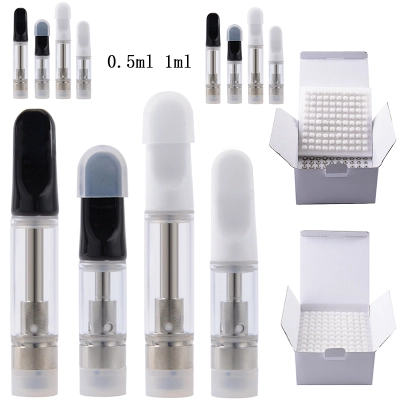
Even at the top of the funnel, packaging matters. For 2g-class devices, packaging protects delicate components and preserves aesthetics during transport. Observing how units are separated — trays, blisters, or partitions — and noting inner and master carton design provides early insight into potential transit risks and warehouse handling. Batch codes, capacity markings, and revision numbers should be clearly visible, indicating attention to traceability.
TOFU evaluation of packaging sets the stage for more detailed mid-funnel checks on carton strength, protection, and logistics efficiency. It also allows teams to anticipate operational challenges without running full-scale pilots.
Conclusion
At the TOFU stage, the Crybaby Disposable 2g Baby Bottle Edition is a concept that becomes tangible through careful observation. By focusing on tank geometry, coil design, battery configuration, housing quality, and packaging, teams can form an initial assessment without committing resources to full pilot runs. Framing these observations with structured questions ensures downstream evaluations are more targeted and data-driven. In essence, TOFU evaluation is about creating an informed mental model: understanding the key components, their interdependencies, and how early inspection can reduce risk while guiding more detailed mid- and bottom-funnel assessments.
If u wanna know more details, pls go to these pages: cbd vape pen bulk, crybaby baby bottle 2g, US crybaby 2g disposable baby bottle


0 Comments