
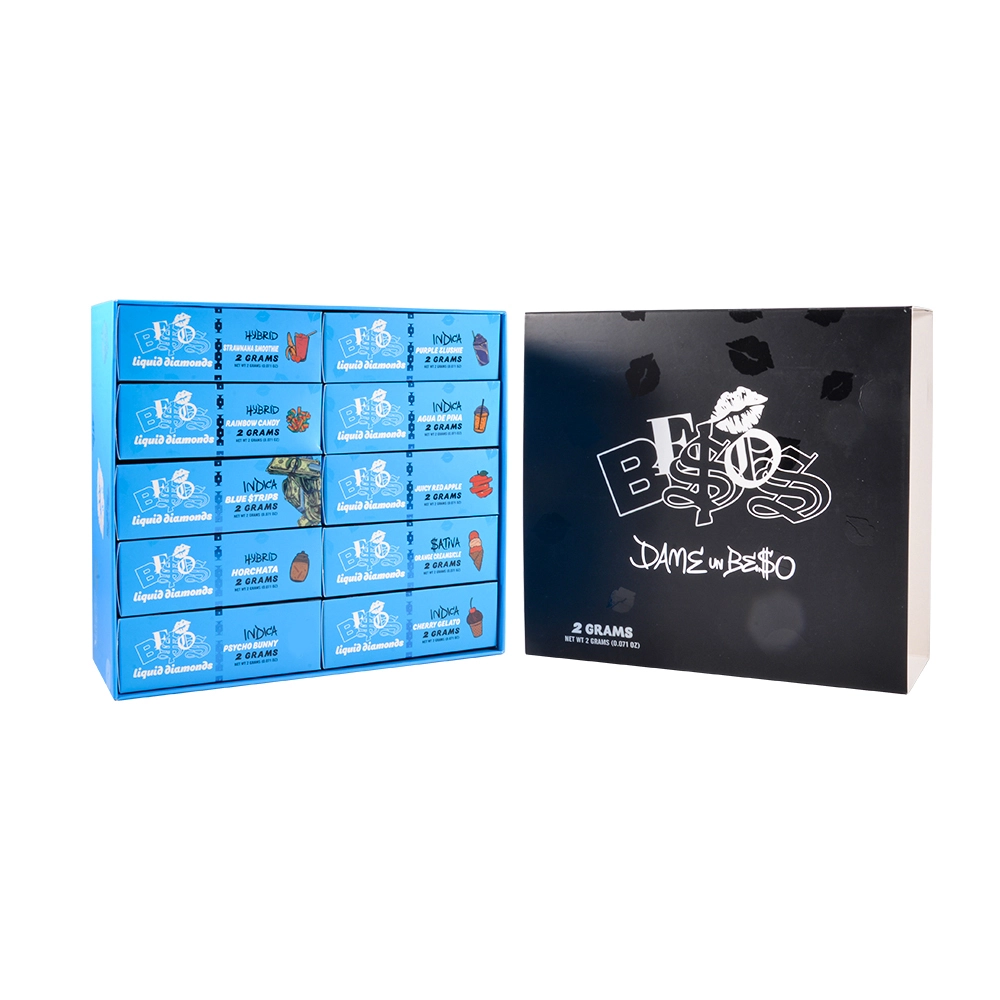
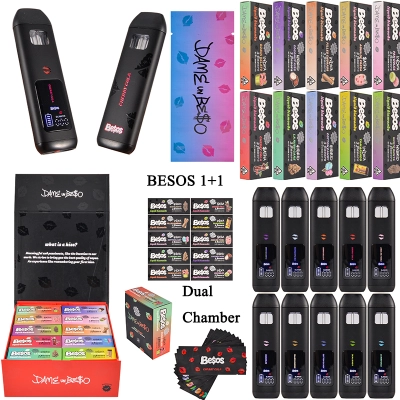
By the time you reach this stage, your team already knows what Blue Besos 2G empty disposables look like, how they feel in hand, and how they behave in early tests. The remaining question is much sharper: Do we approve this chassis as a standard platform for the next 12–24 months, or not?
This is a bottom-of-funnel decision. It should be driven by clear KPIs, documented risks, and explicit conditions—not by gut feeling. The goal is simple: if you approve Blue Besos 2G, month-12 shipments should behave like month-1, under your own fill and logistics reality.
1. What “Standard Platform” Means for Blue Besos 2G
Calling Blue Besos 2G a “standard platform” is more than a marketing label. It implies that:
-
You will base multiple SKUs, flavors, or lines on this chassis.
-
Your filling SOPs, soak times, and packaging designs will be tuned to its dimensions and behavior.
-
Your regulatory filings, artwork, and customer expectations will assume consistent hardware.
From a hardware perspective, standardization means freezing a spec: chamber volume, coil resistance band, battery profile, shell geometry, and packaging all become controlled items. Any deviation in those elements can impact performance, compliance, or both.
2. Pilot KPIs: How to Judge Blue Besos 2G Performance
Before approval, you should run at least one structured pilot where you track a small set of KPIs that matter most to your risk and reputation.
1. Leak and defect rate
-
Percentage of filled units showing leaks, severe condensation, or visible damage after a fixed storage and handling period.
-
A clear maximum threshold (for example, a target major defect rate and AQL criteria) should be defined.
2. Draw consistency
-
Variation in draw resistance across a sample set, captured either by instrumentation or panel scores.
-
Both extremes and average values should sit within your acceptable band for the intended customer experience.
3. Runtime and end-of-life behavior
-
Number of typical sessions or puffs before the battery reaches low-voltage cut-off under your operating conditions.
-
How the device signals end-of-life—LED patterns, cut-off behavior, and consistency across samples.
4. Cosmetic acceptance
-
Rate of visible cosmetic defects: print issues, shell scratches, misaligned caps.
-
Whether cosmetic performance matches your brand’s positioning for Blue Besos 2G as a mid-to-premium chassis.
5. Return and complaint simulation
-
Using internal testers, estimate what proportion of units would likely provoke a customer complaint if sold as-is.
-
Compare that estimate to your current benchmarks for other hardware families.
If Blue Besos 2G meets or beats your existing standards across these KPIs, it has passed the hardest part of the approval gauntlet.
3. Compliance and Safety Documentation: The Non-Negotiables
Even if your pilot KPIs look good, you should not standardize without reviewing the safety and compliance paperwork behind the shell.
Key items:
-
Battery transport testing – a UN 38.3 test summary for the specific cell type, as required for lithium batteries in transport since 2020.
-
Electrical safety evaluation – confirmation that the electrical system has been evaluated against a recognized standard such as UL 8139, which covers the battery, heating, charging (if any), and protection circuits of vape devices.
-
Materials overview – a bill of materials for the wetted path, including polymers, metals, and seals that will contact liquid.
-
Capacity and volume documentation – clear statements about chamber capacity and how it was measured, so your regulatory team can map this to any tank-size caps in your markets.
If your compliance team cannot reconcile these documents with your target jurisdictions, Blue Besos 2G should not yet be approved as a standard.
4. Change Control and Revision Management
A standard platform is only useful if it stays stable. Before approving Blue Besos 2G, you need a change-control framework with the supplier.
At minimum, the agreement should state that:
-
No changes to battery, coil, plastics, or seals will be made without written notice and your approval.
-
Any change to the wetted path, coil resistance band, or cell type triggers a validation cycle with new samples.
-
Revisions are clearly labeled, and lot codes allow you to distinguish pre-change and post-change batches.
-
Updated documentation is provided whenever a change is formally accepted.
Without this, Blue Besos 2G will drift over time, and your month-1 validation will not protect you at month-18.
5. Commercial Decision Points
At BOFU, commercial reality sits alongside technical data. You should also confirm:
-
Minimum order quantities and lead times – are they aligned with your forecast and seasonality?
-
Capacity and priority – can the supplier support surges around launches, holidays, or new territory entries?
-
Pricing stability – how often will pricing be reviewed, and what triggers adjustments?
-
Support and RMA terms – how are defect claims handled, and what evidence is required?
Your hardware choice is only as good as your ability to keep it available and predictable for your own customers.
6. When Blue Besos 2G Is Still a “No”
Even if you like the shell, there are legitimate reasons to wait on making it your standard:
-
Pilot leak or defect rates remain above your tolerance, even after tuning fill parameters.
-
There is no clear UN 38.3 test summary or electrical safety evaluation.
-
The supplier cannot commit to solid change-control terms.
-
Your portfolio or regulatory footprint is about to change in ways that make 2G less central.
In those cases, it is often better to keep Blue Besos 2G as a niche or experimental chassis rather than your main platform.
Closing: Making a Deliberate “Yes” or “No” on Blue Besos 2G
Approving Blue Besos 2G empty disposables as a standard platform should feel like the end of a controlled experiment, not the start of one. When you base the decision on pilot KPIs, safety documentation, change-control commitments, and realistic commercial terms, you can say “yes” or “no” with confidence. A deliberate “no” keeps your ecosystem clean. A deliberate “yes” gives your teams a stable 2-gram-class chassis they can design, fill, and sell around for multiple cycles without constantly looking over their shoulder at the hardware.
If u wanna know more details, pls go to these pages: USA blue besos 2grams, best besos disposable,empty disposable vape pen






0 Comments