
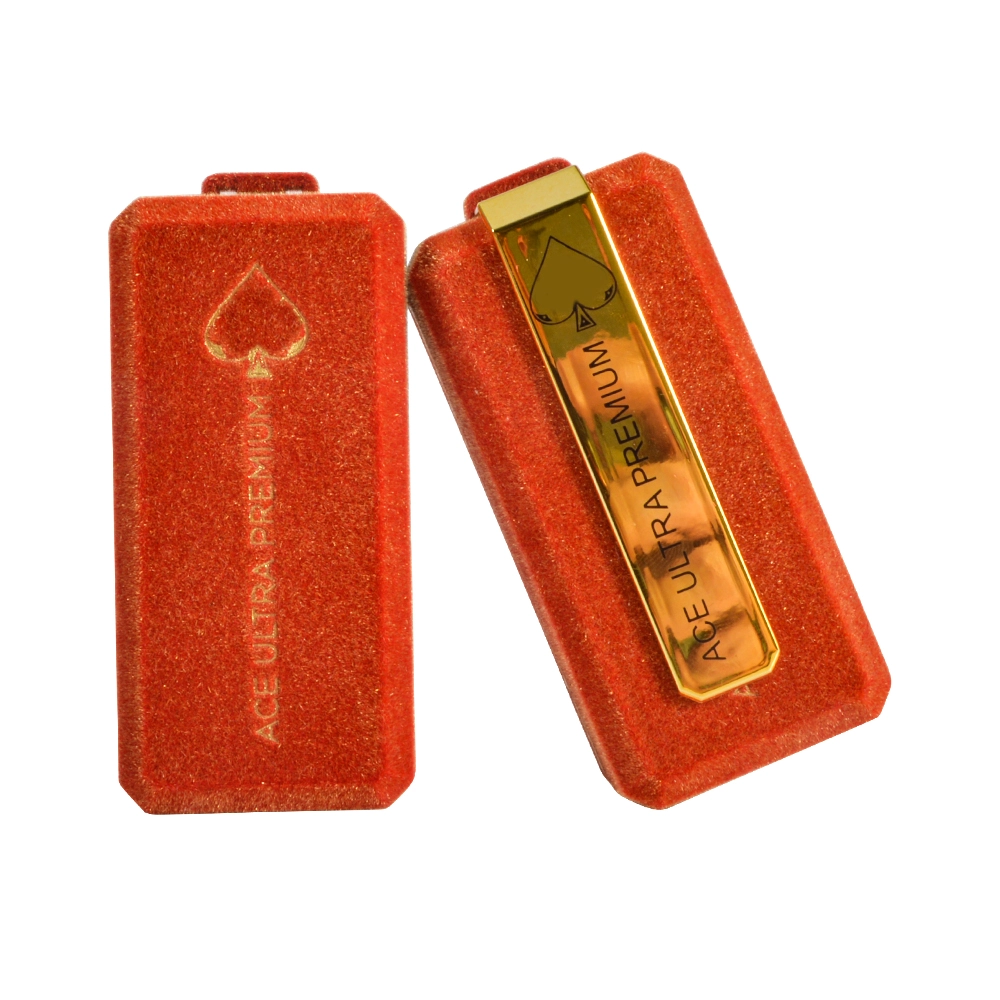
Launching an ACE 2G empty pod or disposable program without a pilot is like approving a factory you’ve never walked through. On paper, pricing and capacity might look perfect, but until you see how real units behave—leaks, draws, cosmetics, packaging—you’re gambling with every purchase order. A structured pilot plan, with clear Go/No-Go metrics, lets you stress-test ACE 2G hardware before committing to volume.
Why Pilots Matter for Empty Hardware
Pilots combine design, process, and logistics in the real world. A single sample from a showroom tells you almost nothing about variability, packaging resilience, or supplier discipline. A well-planned pilot:
-
Exposes the most common failure modes.
-
Sets realistic quality expectations.
-
Creates data for your supplier scorecard and future negotiations.
Instead of arguing about isolated defects, you and the supplier look at numbers, trends, and thresholds.
Metric 1: Leak and Condensation Performance
Leaks and heavy condensation are the enemy of any 2G hardware program. In a pilot, you should define:
-
What counts as a leak versus light condensation.
-
Which conditions you use for screening (orientation, time, temperature changes).
-
How many defects you can tolerate in your sample before rejecting a lot.
The cleanest approach: set a zero tolerance for catastrophic leaks and a very tight band for visible seepage.
Go: leak-related defects stay within your predefined band.
No-Go: catastrophic leaks appear, or seepage suggests the sealing process is unstable.
Metric 2: Draw, Airflow, and Electrical Behavior
ACE 2G empties are judged by how they feel and behave once clients fill and assemble them. For empty hardware, you can measure:
-
Coil resistance range (if relevant to your devices).
-
Activation behavior for any draw-activated electronics.
-
Subjective but standardized airflow checks on multiple samples.
Define a simple draw consistency band, and treat “no-fire,” short, or extreme draw behavior as major or critical defects.
Go: samples cluster around target draw and resistance values, with no dangerous or “dead” units.
No-Go: wide variability, frequent misfires, or unstable activation.
Metric 3: Cosmetics and Assembly Quality
Retailers may never see your acceptance bands, but they definitely see crooked caps and scuffed housings. In a pilot, classify defects:
-
Major: deep scratches, large gaps, loose or uneven mouthpieces, color mismatch.
-
Minor: tiny specks, light abrasions, very small misalignments.
Use a consistent checklist and make sure every inspector uses the same definitions.
Go: major defects are rare and minor defects stay within your tolerance.
No-Go: cosmetic quality looks unstable from batch to batch.
Metric 4: Packaging and Transit Robustness
ACE 2G empties leave the factory, ride trucks and planes, sit in warehouses, then get repacked. A pilot lot should be used to:
-
Run basic drop tests on full cartons.
-
Check tray protection around mouthpieces and pods.
-
Evaluate how cartons stack without crushing.
If your configuration includes integrated batteries, you should also confirm that the design has been tested under recognized transport-stress conditions and that basic documentation is available.
Go: minimal damage after simulated or real shipping; labels and codes still readable.
No-Go: crushed cartons, broken pods, or incomplete documentation.
Metric 5: Documentation and Compliance Readiness
Even with empty hardware, serious B2B buyers are asked about materials, restricted substances, and traceability. For ACE 2G pilots, check whether the supplier can deliver:
-
A basic bill of materials.
-
Declarations about restricted substances or hazardous materials relevant to your markets.
-
A change-control statement defining how future modifications will be communicated.
-
A clear mapping between lot codes and production records.
Go: you can assemble a neat, understandable file for the pilot lot.
No-Go: missing or inconsistent documents, or vague promises instead of clear statements.
Turning Pilot Data into Go/No-Go Decisions
Once you inspect the pilot lot, don’t just file the report away. Summarize data into a simple matrix:
-
Leak and condensation: Green / Yellow / Red
-
Draw and electrical behavior: Green / Yellow / Red
-
Cosmetics and assembly: Green / Yellow / Red
-
Packaging and transport: Green / Yellow / Red
-
Documentation and compliance: Green / Yellow / Red
Only when the pattern is mostly green—and any yellows have concrete corrective actions—should you move to large-scale POs. If you do this once, you create a template that every future ACE 2G launch can follow, reducing risk, shortening negotiations, and aligning expectations between your purchasing, QC, and supplier teams.
Finally, if you wanna order empty vapes wholesale, could go to these pages: ace ultra premium 2g disposable, ace ultra premium 2ml,red ace ultra wholesale ace ultra premium bulk,ace ultra premium disposable,







0 Comments